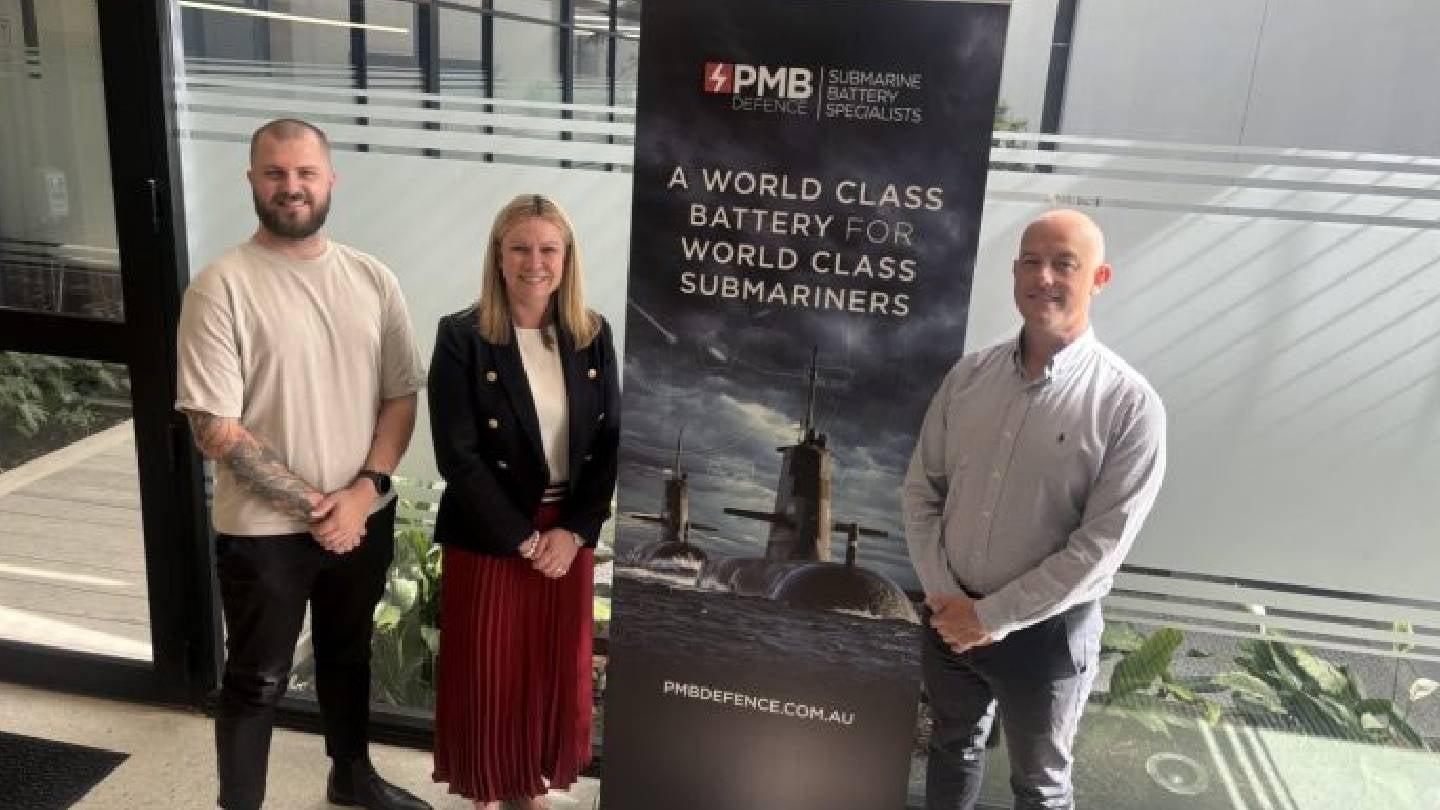
Aurizn and PMB Collaborate on UK Nuclear Submarine Batteries
South Australian firms Aurizn and PMB Defence join forces for a pivotal UK nuclear submarine battery programme. This partnership may enhance the UK's strategic capabilities and defense technology.
South Australian defense companies Aurizn and PMB Defence have officially announced their partnership to contribute to the United Kingdom's nuclear submarine battery program. This collaboration signals a commitment to enhance the UK's maritime defense capabilities through advanced battery technology designed for nuclear submarines.
The UK's nuclear submarine fleet plays a critical role in its national defense strategy, serving as a deterrent and ensuring operational readiness. By teaming up with local Australian companies, the UK aims to leverage cutting-edge technology and innovations that can enhance the efficiency and reliability of its submarine fleet.
Strategically, this partnership underscores the importance of international collaboration in defense sectors, particularly in high-tech industries such as battery technology for submarines. With growing geopolitical tensions, investing in resilient and advanced naval capabilities becomes increasingly crucial for maintaining strategic advantages in maritime warfare.
The focus will be on developing next-generation battery systems that meet the stringent requirements of nuclear-powered submarines. Such systems require high energy density, reliability, and the ability to operate in demanding underwater environments. The specifics of the technologies being developed by Aurizn and PMB Defence have yet to be disclosed, but their involvement signifies an important step toward enhancing the UK's military technology.
In conclusion, the partnership between Aurizn and PMB Defence could lead to significant advancements in the UK's defense technology infrastructure. This collaboration may bolster the country's submarine capabilities, ultimately contributing to its operational effectiveness in strategic maritime operations for the foreseeable future.