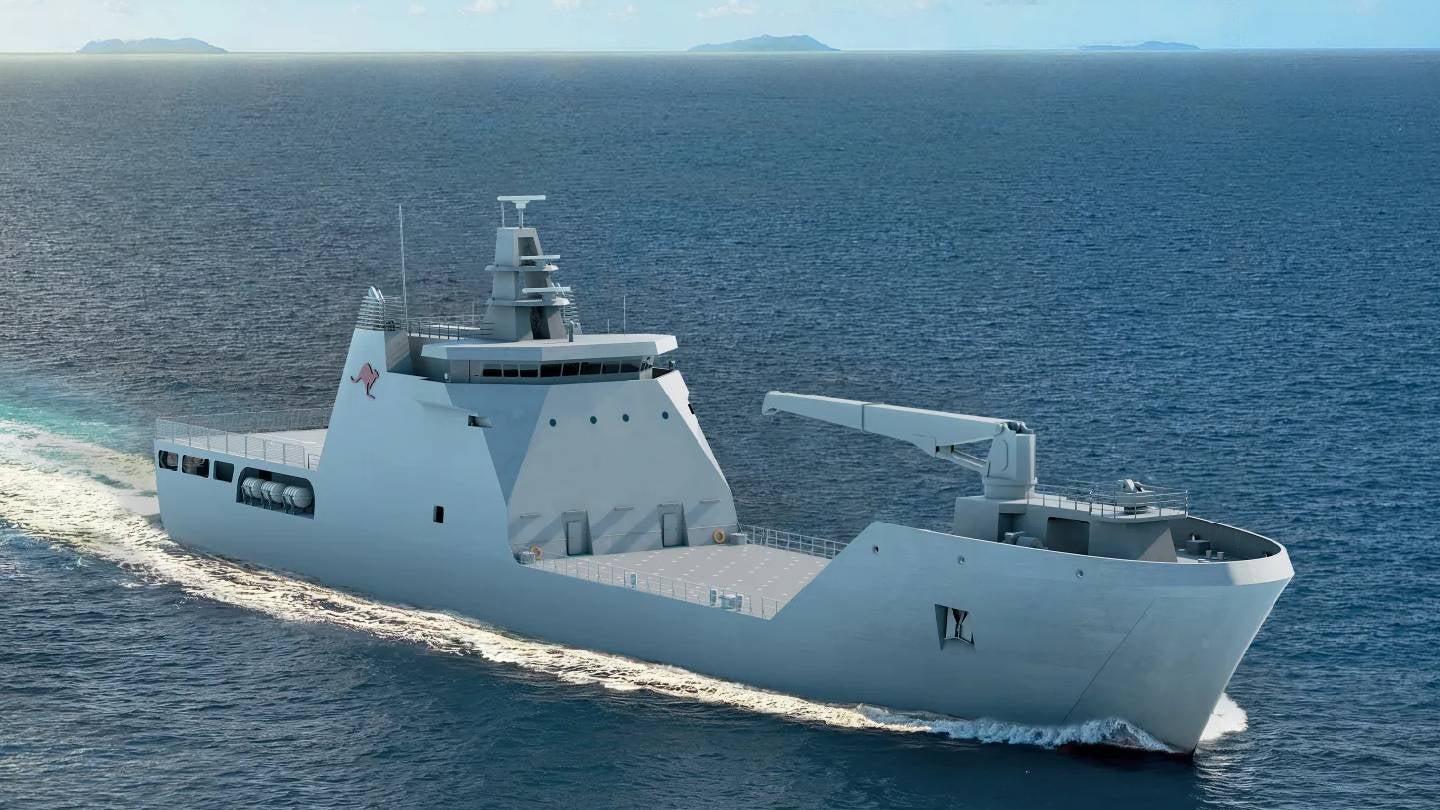
Austal Wins $2.8 Billion Contract to Build Eight LCH Vessels for Defense
Austal Defence has secured a substantial A$4 billion ($2.8 billion) contract to construct eight Landing Craft Heavy (LCH) vessels. This development enhances Australia's naval capabilities and underscores the ongoing expansion of its defense manufacturing sector.
Austal Defence Shipbuilding Australia has been awarded a contract worth A$4 billion (approximately $2.8 billion) for the design and construction of eight new Landing Craft Heavy (LCH) vessels. This order signifies a significant commitment to bolster Australia's amphibious capability, essential for conducting maritime operations and ensuring logistical support for troop deployments in various theater of operations. The LCH vessels will replace older models and are expected to provide enhanced mobility and operational versatility.
The acquisition of these LCH vessels aligns with Australia's strategic defense initiatives aimed at expanding its naval capabilities in response to rising regional tensions and the need for an agile response force. Given the ongoing geopolitical shifts in the Indo-Pacific, these new vessels will play a vital role in securing maritime lines of communication and supporting allied operations alongside other regional maritime powers.
Key players in this contract include the Australian government, which is committed to enhancing national defense readiness, and Austal, a prominent shipbuilder with a strong track record in defense contracts. The Australian government's motivation lies in fostering domestic defense production capabilities, ensuring national security, and contributing to regional stability through a more robust naval presence.
The implications of this contract extend beyond Australia, as it reflects a broader trend where nations are seeking to strengthen their military capabilities amid increasing geopolitical competition. Enhanced amphibious capabilities through LCH vessels will allow Australia to better participate in joint military exercises with allies, reinforce humanitarian assistance missions, and respond more effectively to emerging security challenges in the Indo-Pacific.
Historically, the investment in amphibious vessels has been seen as a critical aspect of naval strategy, especially for nations like Australia, which must operate in vast maritime spaces and respond to diverse threats. The successful deployment of these LCH vessels could set a precedent for future defense acquisitions both regionally and globally.
Analyst assessment indicates that Australia's strategic investment in LCH vessels signals a long-term commitment to enhancing its maritime domain awareness and operational readiness. Moving forward, the focus will be on swift delivery and integration of these vessels into the Royal Australian Navy's operational framework, with potential future enhancements planned, depending on evolving defense requirements.