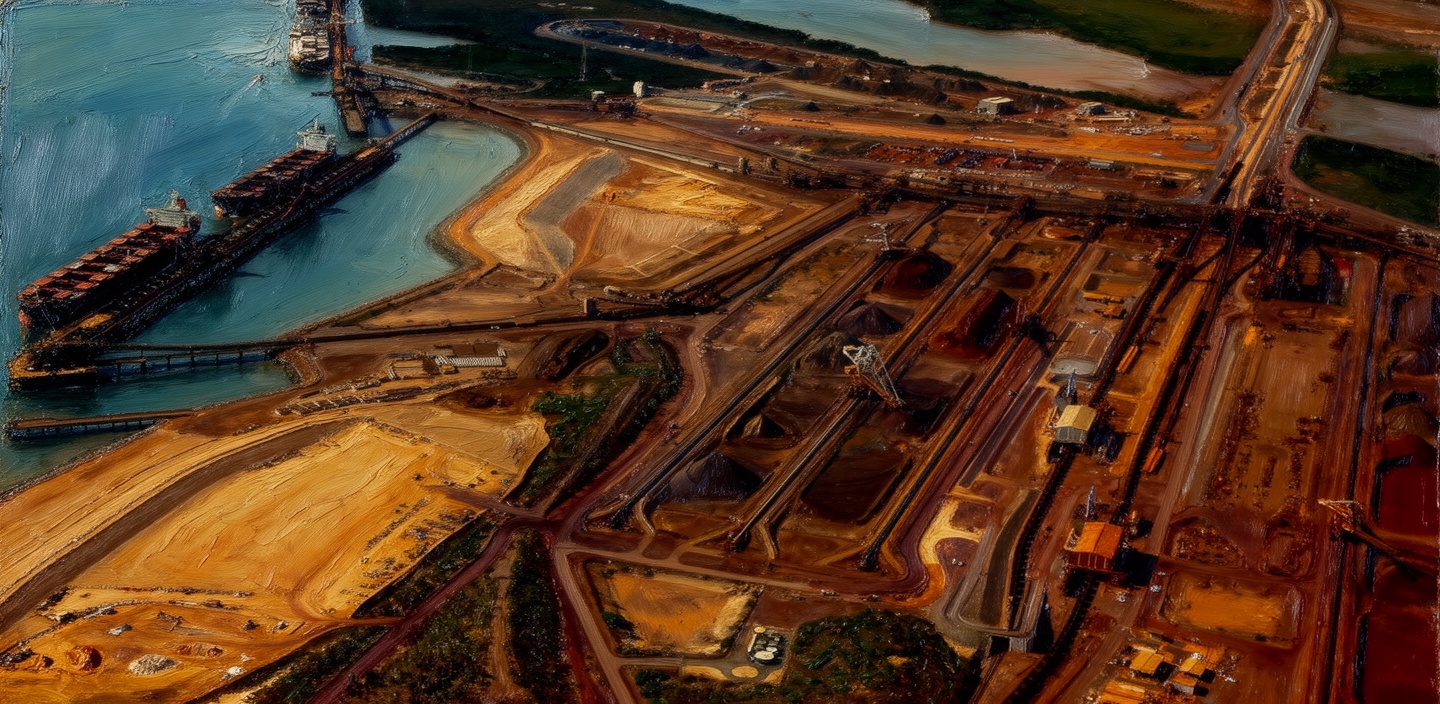
Australian Workers Threaten Strike at World's Largest Iron Ore Port
A potential strike at Port Hedland could disrupt global iron ore supplies. Workers demand better pay and conditions, which may jeopardize operations.
Workers at the Port Hedland in Australia, known as the world's largest iron ore bulk export terminal, are threatening to strike over pay and working conditions. The strike could significantly impact the export of iron ore, which is crucial for global steel production. With Australia being the largest exporter of iron ore, any disruption at this port would reverberate through the global supply chain.
Port Hedland is vital, handling approximately 1.5 million tonnes of iron ore per day, primarily destined for markets in China. The union representing the workers claims that the current pay rates are inadequate compared to the rising cost of living. Labor disputes such as this are not uncommon in the mining and export sectors, but the potential scale of this strike poses a serious risk to Australia’s economic interests.
The strategic importance of maintaining operations at Port Hedland cannot be overstated. A halt or slowdown would likely cause significant delays in shipments, increasing global prices for iron ore and impacting the steel industry worldwide. Countries relying on iron ore imports, particularly China, could face production challenges.
Currently, negotiations are ongoing, with no resolution in sight. The parties involved are urged to reach an agreement to avoid the strike, which is set to begin unless an acceptable deal is reached. If the strike proceeds, it could last for weeks, compounding the supply chain issues already present in the post-pandemic economic landscape.
In conclusion, the threat of a strike at Port Hedland is a critical situation that warrants close monitoring. The ramifications could affect not only Australia’s economic standing but also the dynamics of the global iron ore market, potentially leading to higher prices and supply shortages if not resolved swiftly.