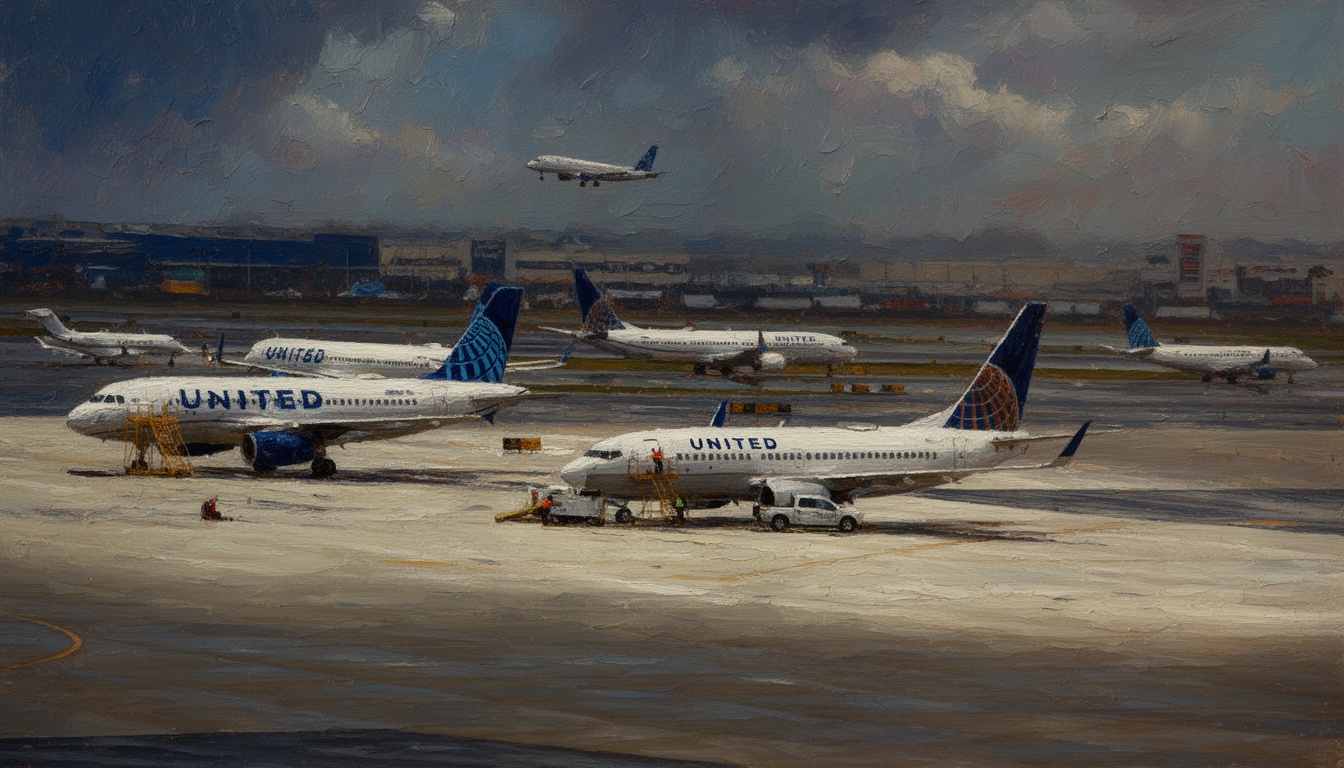
Aviation Leaders Confront Rising Fuel Costs at Rio Summit
The international aviation industry faces significant challenges as fuel prices surge due to the Iran conflict. Airline executives gather in Rio de Janeiro to address the economic fallout and operational disruptions.
Global airline executives are convening in Rio de Janeiro for their annual summit starting Saturday, facing a serious test of the industry’s capability to recover from the pandemic. The ongoing conflict in Iran has driven up fuel prices significantly, posing a challenge for airlines that are already grappling with rising operational costs and disrupted airspace.
This year's International Air Transport Association (IATA) meeting, taking place from Saturday to Monday, highlights the dual pressures of escalating fuel prices and a pre-existing aircraft shortage. As airlines strive to balance operational capacity with demand, many are resorting to increasing fares, putting additional financial strain on travelers.
The rise in fuel costs is not just a financial burden; it also compounds other issues within the aviation sector, including supply chain disruptions that impact aircraft manufacturing. As airlines look to optimize their fleets, they find themselves entangled in challenges that hinder their recovery efforts.
Specific details from leading manufacturers like Boeing indicate that the supply chain recovery has been slower than anticipated, restricting the availability of new aircraft. This limitation puts further pressure on airlines to manage existing fleets more efficiently while dealing with increased fare expectations from consumers.
Looking ahead, the implications of these challenges could reshape the aviation landscape, potentially leading to sustained fare increases as airlines adjust to ongoing fuel volatility and manufacturing constraints. The summit in Rio is crucial for strategizing the future pathways for an industry at a crossroads.