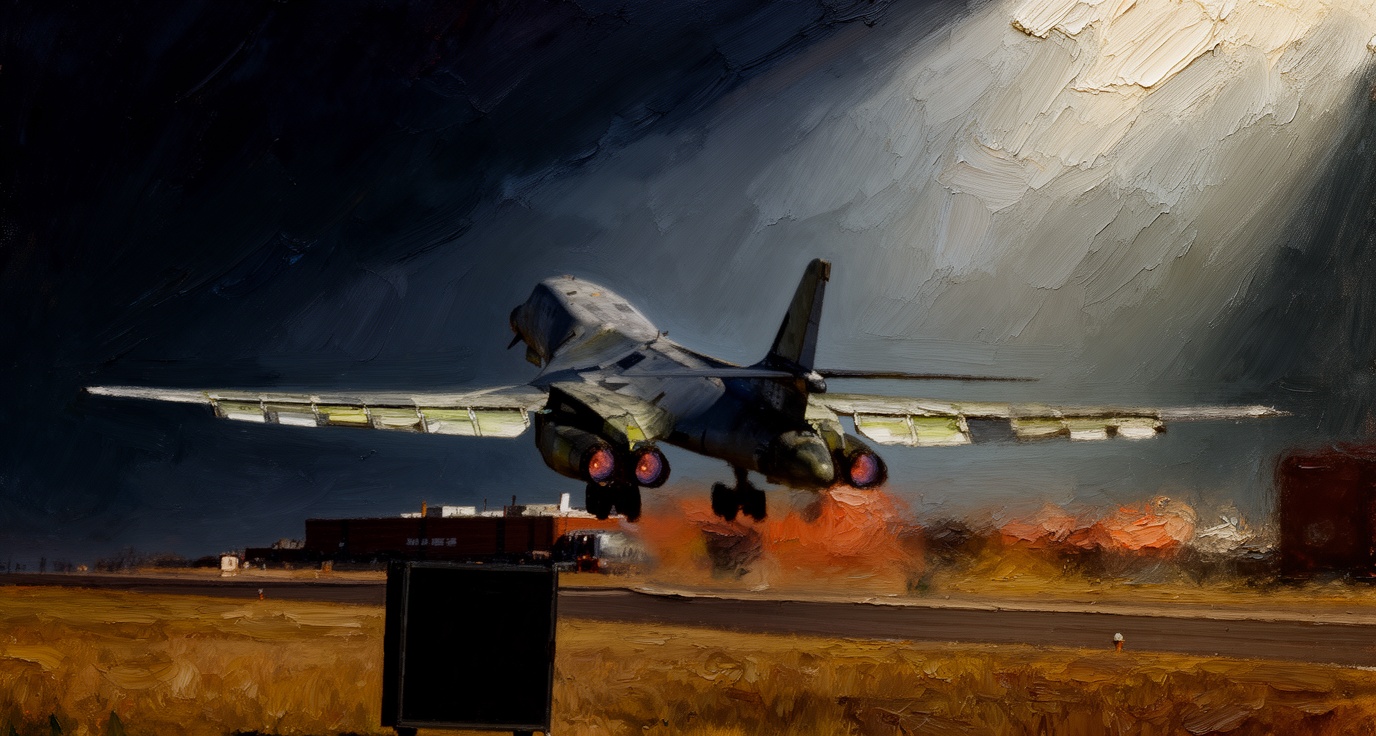
B-1B Lancer Returns to Flight After Restoration
The B-1B Lancer has been restored and returned to operational service, a significant milestone for the US Air Force's strategic bomber fleet. This restoration showcases the capabilities of maintenance crews in preserving advanced military aircraft.
The B-1B Lancer bomber has officially returned to service at Dyess Air Force Base following significant maintenance and restoration efforts. Conducted by the skilled personnel from Tinker Air Force Base, this extensive overhaul marks a critical achievement for the B-1 program, which has experienced various challenges over the years, including budget constraints and modernization needs.
Originally introduced in the late 1980s, the B-1B Lancer is a vital component of the United States’ strategic bomber fleet. It is capable of delivering both conventional and nuclear munitions, providing unparalleled operational flexibility. The return of this aircraft expands the active fleet and enhances the capabilities of the US Air Force, particularly in long-range strike missions.
Strategically, the return of the B-1B Lancer comes at a time of increasing global tensions, where advanced airpower is necessary to deter potential threats. Its enhanced maintenance signifies a commitment to maintaining superior aerial capabilities and ensuring readiness in response to evolving security challenges worldwide.
The B-1’s restoration involved meticulous technical processes including upgrades to navigation systems and improvements in weapon delivery accuracy. With the addition of advanced capabilities, the B-1B Lancer continues to reinforce the deterrence posture of the US military.
In conclusion, the successful restoration of the B-1B Lancer reflects the dedication of the US Air Force in sustaining its fleet and acknowledges the need for continued modernization. This event emphasizes the importance of maintaining military readiness as global dynamics evolve and threats become more complex.