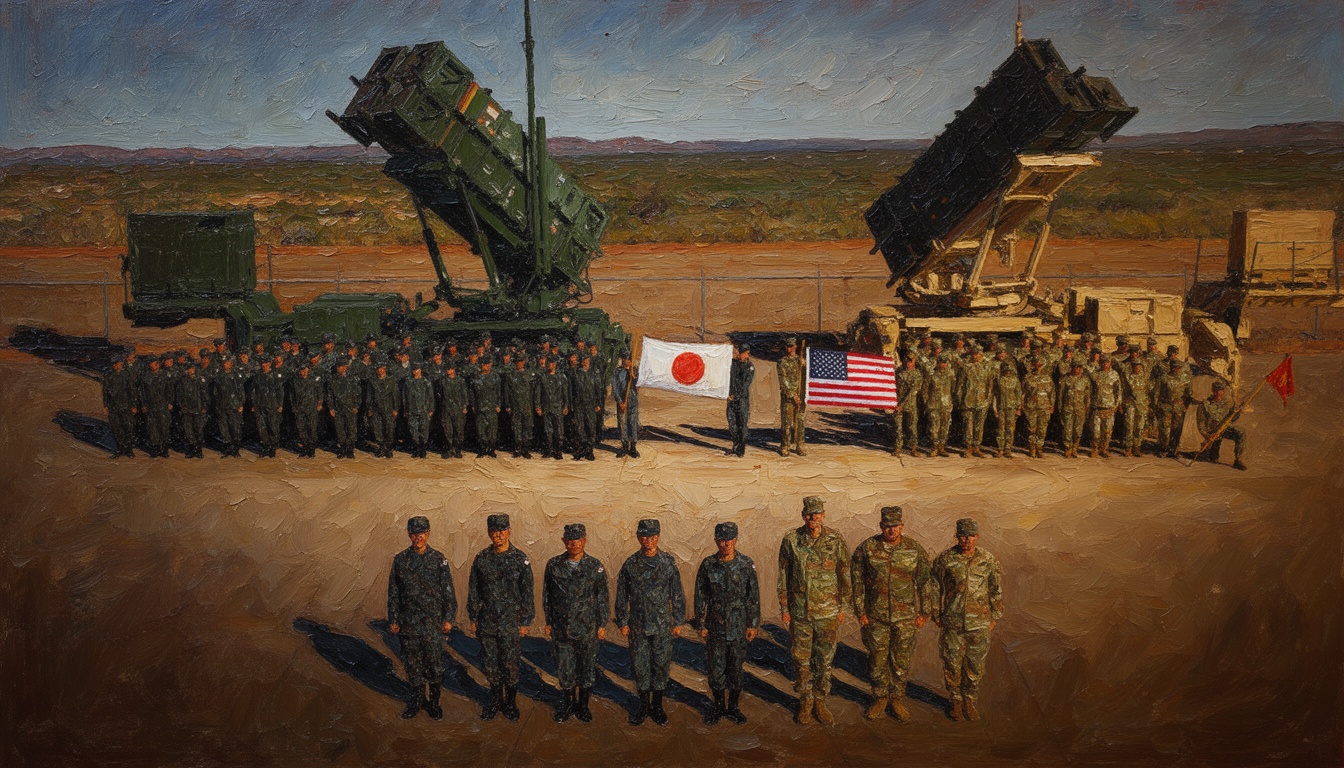
Critical Moment for Japan-US Missile Defense Cooperation
Japan and the US face increasing missile threats in the Pacific. Enhanced radar systems and command networks are crucial for their defense strategies.
Japan and the United States are at a pivotal juncture regarding their missile defense collaboration. As tensions escalate in the Pacific, particularly with missile threats from North Korea and advances in Chinese missile technology, both nations must evaluate and strengthen their strategic alliances. The integration of robust radar coverage and advanced command networks will be paramount to counter these threats effectively.
In recent years, Japan has prioritized modernizing its Self-Defense Forces, focusing on improving missile intercept capabilities and integrating systems with the US military. The ongoing threat environment underscores the necessity for Japan to expand its defense partnerships and enhance its military capabilities, particularly with American assets such as the Aegis missile defense system.
From a strategic perspective, the cooperation between Japan and the US in missile defense is not only crucial for regional security but also for maintaining a balance of power in the Indo-Pacific. This partnership is essential to deter aggression from rival powers and to safeguard mutual interests. Recent military exercises between US and Japanese forces demonstrate a commitment to joint readiness and operational interoperability.
Technically, the collaboration will include the deployment of advanced radar systems like the AN/TPY-2 and the establishment of connected command networks. These capabilities will enhance detection and response times against aerial threats, aligning both nations' efforts with the evolving threat landscape.
Looking forward, strengthening missile defense integration represents a critical step for both Japan and the US. As they navigate the complexities of regional security, this cooperation will improve deterrence and contribute to a more secure Pacific. The consequences of inaction could lead to increased vulnerability and embolden adversaries in their strategic ambitions.