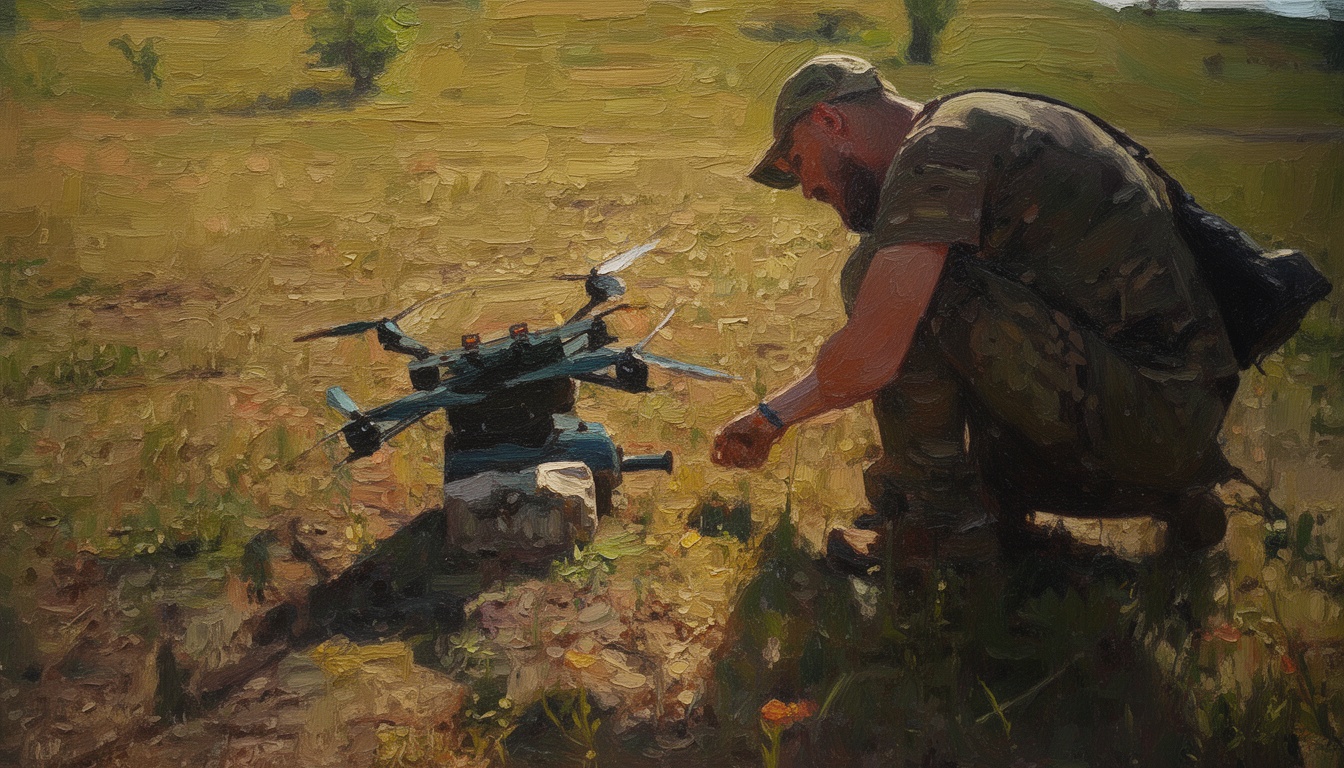
Ukraine Shifts Drone Supply Chain to Taiwan Amid China Concerns
Ukraine's pivot to Taiwan reflects strategic adaptations in modern warfare. This shift reshapes drone supply chains and minimizes reliance on China amid geopolitical tensions.
The ongoing conflict in Ukraine has significantly altered the dynamics of modern warfare, particularly in the area of aerial drones. As the war continues into its fourth year, Ukraine has intensified its efforts to sever ties with China regarding its drone supply chain, primarily due to fears that Beijing is providing military support to Moscow. This strategic move is aimed at ensuring that advanced unmanned aerial vehicles (UAVs) remain accessible and reliable, free from potential Chinese influence.
In response to these challenges, Kyiv, along with its European and American allies, has increasingly turned to Taiwan as a viable alternative supplier for drone technology. Taiwan’s burgeoning defense industry, particularly its expertise in drone production, has made it an attractive option for Ukraine. The historical and ongoing tensions between China and Taiwan further empower Ukraine to position Taiwan as a strategic partner in its defense supply network.
The significance of this shift cannot be understated. As the landscape of warfare evolves, the demand for advanced UAV systems continues to rise, compelling countries to reassess their sources of military technology. Taiwan's growing role in this scenario illustrates not just a change in supply chains but also a broader geopolitical realignment as nations navigate growing concerns about the influence of China on global defense systems.
Taiwan has developed several UAV systems that cater to varying operational needs, including reconnaissance and combat drones. The potential transfer of technology and collaborative projects could lead to a strengthened defense posture for both Ukraine and Taiwan. This partnership could serve as a counterbalance to China's increasing assertiveness in the region, fostering closer military ties between democratic nations.
Looking ahead, the long-term consequences of Ukraine's shift towards Taiwan could redefine defense relationships in East Asia and Europe. If successful, this realignment may encourage other nations to follow suit, reducing dependency on Chinese military technology while bolstering Taiwan's position on the global stage. Such developments could lead to enhanced cooperation among allies and possibly pave the way for a more united front against authoritarian influences in the defense sector.