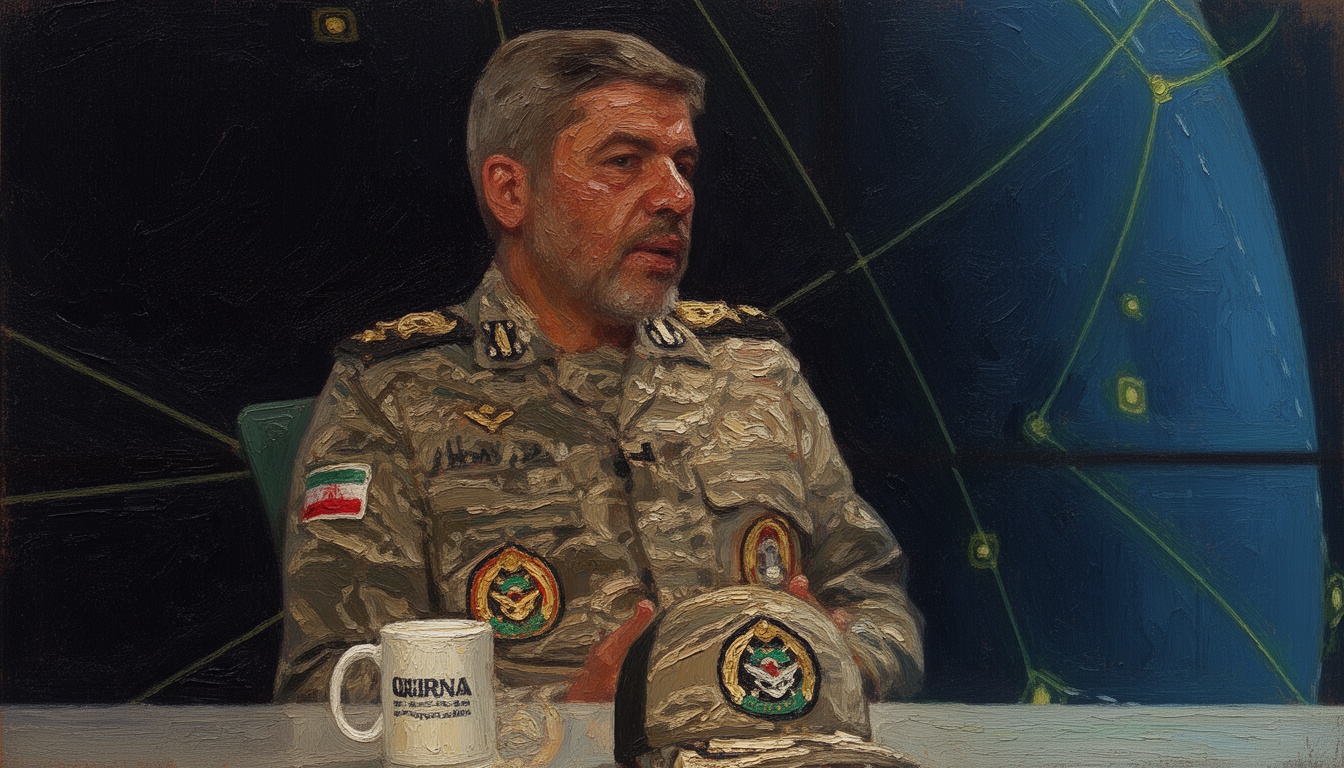
Iran Military Promises Unconventional Warfare Methods If Attacked Again
Iran has issued a warning about potential unconventional warfare responses to future attacks. The statement underscores rising tensions and challenges in regional security dynamics.
Iran's military leadership has issued a stark warning regarding its preparedness to employ 'surprising' methods of warfare should it face another attack. The comments, made by Iran's army spokesman, underscore the country’s determination to retaliate against any perceived aggression from what it refers to as the 'enemy'. This marks a notable escalation in rhetoric, reflecting the escalating hostilities in an already tense region.
Historically, Iran has been vocal about its military strategies, often emphasizing asymmetric warfare tactics. This warning aligns with previous statements regarding the country’s commitment to defending its sovereignty against external threats, particularly amidst intensifying scrutiny from Western powers. The military spokesperson's remarks aim to bolster domestic morale while signaling to adversaries that Iran is willing to adapt and innovate in its defensive strategies.
The significance of such warnings cannot be overstated. Should these unconventional methods be deployed, it could dramatically alter the calculus for regional military engagements and provoke further instability in the Middle East. This proactive stance suggests that Iran may expand its capabilities to include advanced cyber warfare and drone operations, which have previously demonstrated effectiveness in engagements across the region.
Although specifics on these 'surprising' methods remain undisclosed, Iran's investment in technological advancements cannot be overlooked. The Iranian military has been increasingly focused on developing its drone fleet and missile capabilities, seeking to achieve strategic deterrence through enhanced firepower and precision targeting. Furthermore, Iran's collaboration with regional allies may amplify the impact of any unconventional response.
In light of these developments, the international community must closely monitor Iran's military posture. The potential for escalation stemming from these warnings remains high, necessitating a recalibration of defense strategies among neighboring states and global powers. As tensions rise, diplomatic relations may face increasing strain, underlining the fragile balance in the Persian Gulf and surrounding areas.