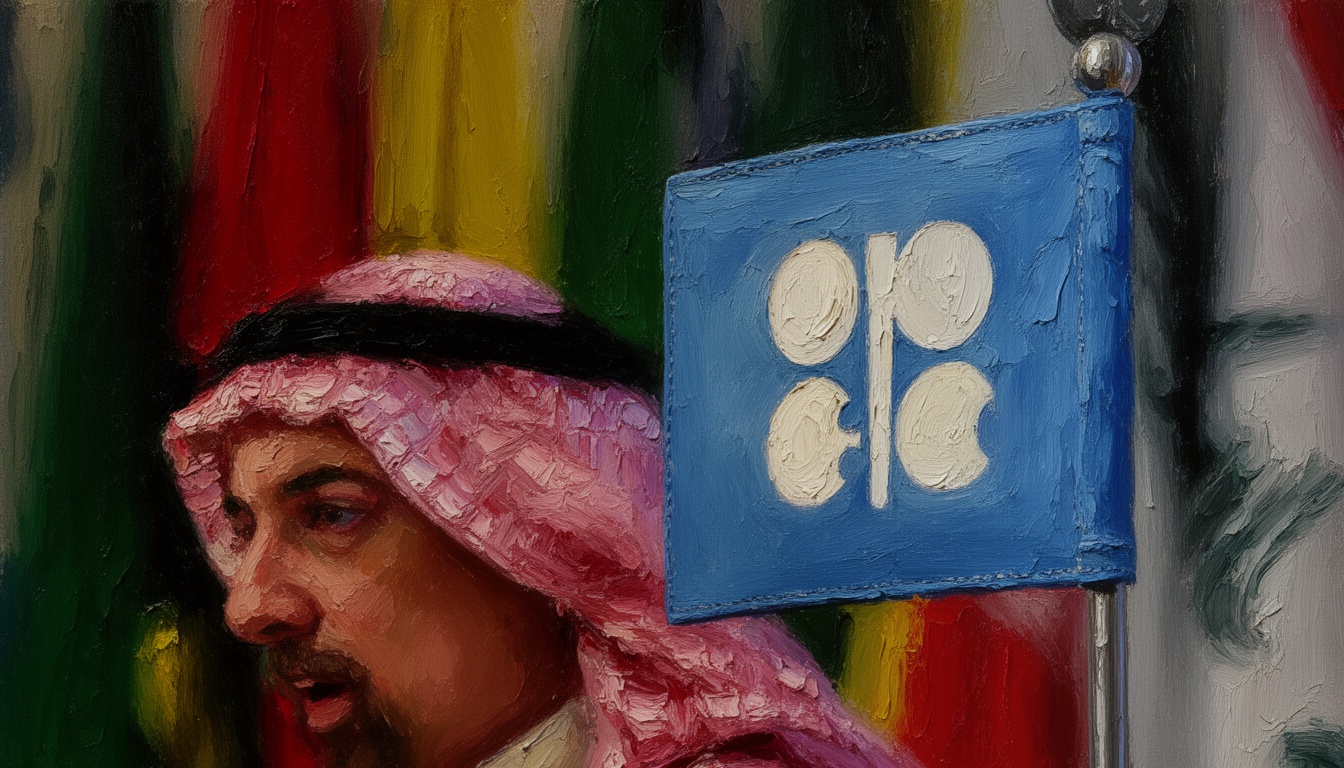
Mini-crises from Iran war could trigger global economic collapse
The ongoing conflict in the Middle East may lead to a series of mini-crises, threatening the global economy. Escalating tensions could create a dependency on US energy resources, reshaping international power dynamics.
The conflict in the Middle East, particularly involving Iran, is raising alarms about potential economic repercussions globally. Analysts suggest that these tensions could intensify into a series of mini-crises rather than a single catastrophic event. This situation poses significant risks to the global economy as nations may struggle to navigate the increasingly complex energy landscape shaped by the ongoing war.
Historically, the Strait of Hormuz has been a vital corridor for global oil supply, with a significant percentage of the world’s petroleum passing through this narrow passage. If the conflict escalates, any disruption in this artery could severely impact oil prices and availability, leading to regional economic instability. The implications could ripple across international borders, affecting economies that are heavily reliant on oil imports.
Moreover, the shifting landscape could favor the United States, particularly if dependence on US energy resources deepens. Experts warn that European and Asian nations may find themselves in a precarious position, relying increasingly on American oil and gas. This dependency would not only solidify the US’s role as a major energy supplier but could also alter geopolitical alliances as nations look to secure their energy needs amid heightened tensions.
Operationally, the US military has a robust presence in the region, with assets poised to secure vital maritime routes. Should the closure of the Strait of Hormuz occur, the US could leverage its energy independence to negotiate from a position of strength. This positioning underscores the strategic importance of energy infrastructure in contemporary conflict management and diplomacy.
The potential for cascading mini-crises could lead to a larger systemic collapse if not managed effectively. If the Trump administration navigates this complex landscape skillfully, it may indeed emerge as a victor, reshaping global energy dynamics in favor of US interests. Countries will need to adapt quickly to mitigate risks and ensure economic stability in this evolving scenario.