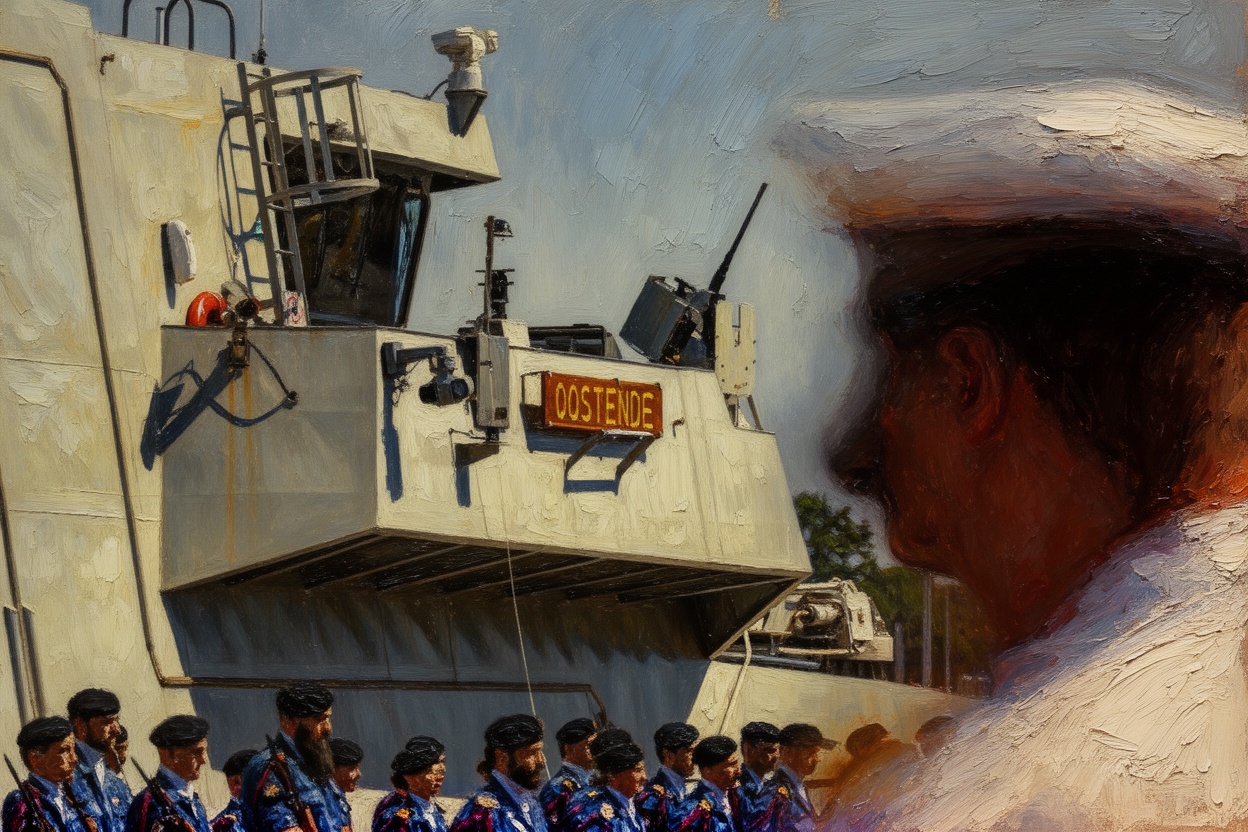
Belgian-Dutch rMCM Program Enters Critical Integration Phase
The Belgian-Dutch joint rMCM program is progressing toward operational readiness, targeting full capabilities by 2026. Recent deliveries contribute significantly to this integration phase.
The joint Belgian-Dutch replacement Mine Countermeasures (rMCM) program has entered a critical phase focusing on operational integration. The program aims to demonstrate its full stand-off mine warfare capability by the end of 2026, reflecting a significant military collaboration between Belgium and the Netherlands.
The rMCM program represents a strategic initiative to enhance maritime security through advanced mine countermeasure capabilities. As the region faces evolving naval threats, both nations recognize the necessity for modernized and effective mine warfare solutions. This joint venture underscores the commitment of both countries to collaborate on defense and security matters.
Recent ship and system deliveries have laid the groundwork for this integration phase. The integration involves sophisticated systems that will enable effective stand-off operations against underwater mines, showcasing advancements in naval technology. This collaborative effort not only strengthens national defense efforts but also enhances European maritime security overall.
Technical details reveal that the program employs innovative unmanned systems, multi-role vessels, and advanced sensor technologies aimed at detecting and neutralizing maritime mines. Such capabilities are essential for maintaining safe sea lines of communication, particularly in strategic regions.
As the operational integration progresses, both nations will likely continue to assess and refine their tactical protocols. Successful implementation of the rMCM capabilities could have a sweeping impact on naval operations in European waters, altering the balance of maritime power in the region.