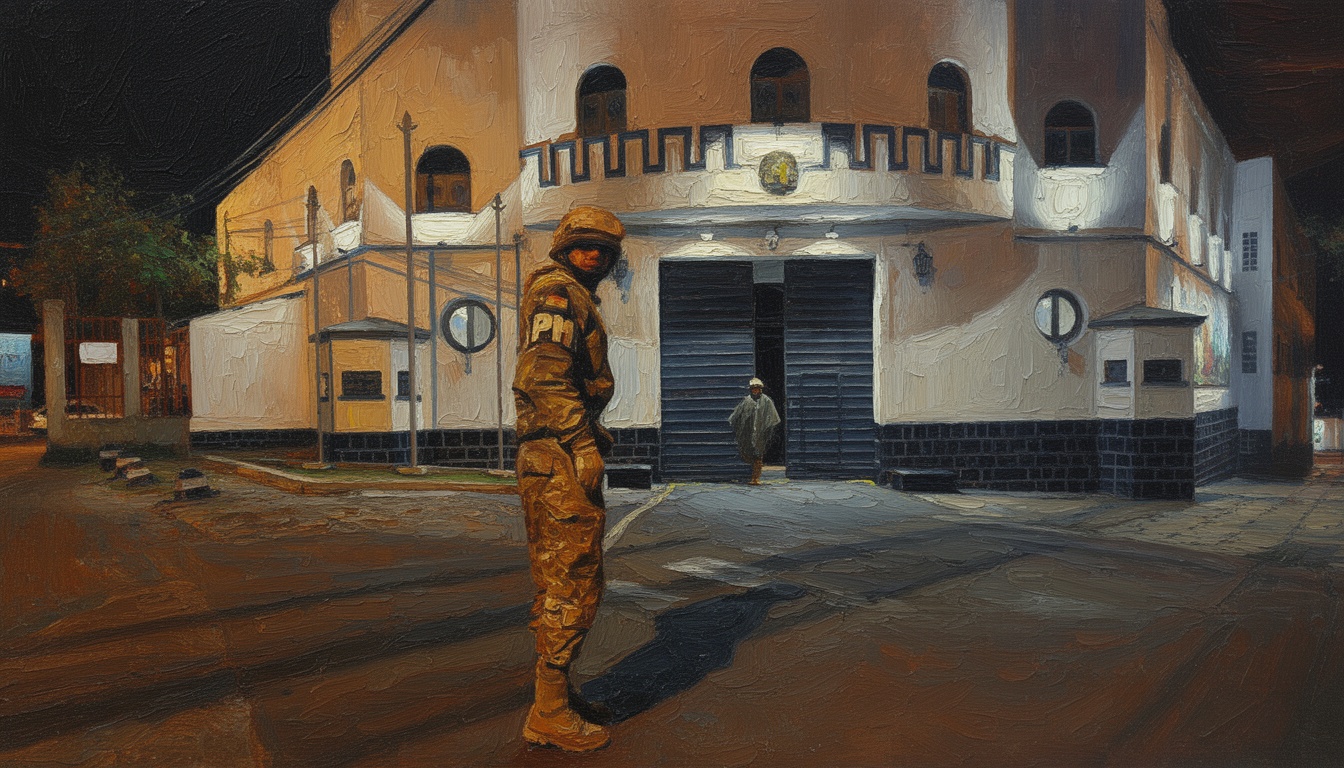
Bolivia Declares State of Emergency for Military Deployment
Bolivia's President Rodrigo Paz escalates military response amid crisis. Troops may be deployed to clear protests and restore order after 50 days of turmoil.
Bolivia's President Rodrigo Paz declared a state of emergency on Saturday, significantly intensifying the ongoing crisis in the country. This declaration grants the government broader powers to deploy military forces aimed at clearing blockades initiated by protesters. As the protests have stalled the Bolivian economy for 50 days, the need for decisive action has become increasingly urgent.
The emergency decree empowers President Paz to utilize constitutional tools necessary to restore public order, including the mobilization of armed forces. This unprecedented measure comes as the protests, which began with demands for economic reforms, have escalated into widespread disruptions, severely affecting various sectors.
Strategically, the deployment of military forces signals a drastic change in how the Bolivian government intends to handle civil unrest. The president's ability to act decisively may be viewed as a critical test of his authority in managing national stability amid rising frustrations among citizens over the economy and governance.
The emergency order is set to go into effect immediately; however, President Paz must inform Congress of the state of emergency within 24 hours. This may trigger discussions about the balance between civil rights and the government's need to restore order, particularly in a region with a history of coups and military interventions.
In the wake of this declaration, the potential consequences include increased tensions between the government and protesters, as the prospects of a military presence could lead to further escalations in violence. Additionally, the government's response might influence international perceptions of Bolivia's internal stability, impacting trade and investment in the nation moving forward.