Bolivia Deploys Army to Quell Protests Following Emergency Declaration
Bolivia's recent state of emergency allows military intervention against protests. This military response indicates a significant escalation in civil unrest, impacting regional stability.
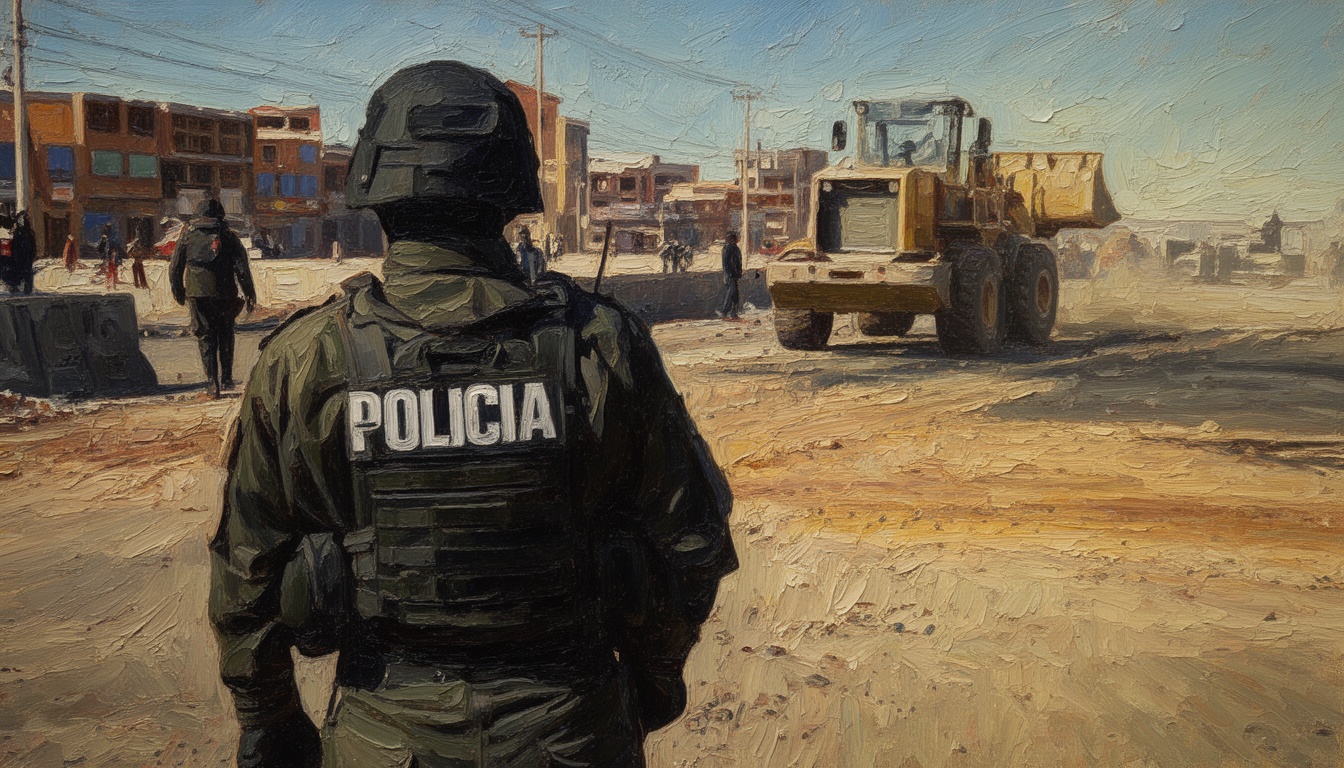
Bolivian President Rodrigo Paz has declared a state of emergency, leading to the deployment of army units and heavy machinery to dismantle anti-government roadblocks. The declaration significantly restricts citizens' right to protest, impacting the ongoing demonstrations that have persisted for over six weeks.
The unrest has been fueled by widespread discontent among unions, Indigenous groups, and coca farmers who oppose recent economic reforms. These groups have engaged in protests, effectively blocking critical transportation routes across Bolivia, contributing to rising tensions within the country.
The strategic significance of this deployment is notable; it marks a decisive military posture aimed at asserting government control amidst growing dissent. The use of military force to maintain order represents a pivotal moment in the Bolivian government's approach to civil unrest, potentially setting a precedent for future responses to protests.
Operationally, the army's actions will include the use of bulldozers to clear roadblocks and restore transportation routes. The government's ability to quell protests rapidly will be influenced by the scale of military presence and engagement, as well as local reactions to the state of emergency invoked.
The long-term consequences of this escalation could alter Bolivia’s political landscape, possibly intensifying resistance from protestors. The government’s decision may also affect relations with Indigenous groups and labor unions, potentially leading to prolonged instability in the region if unresolved.