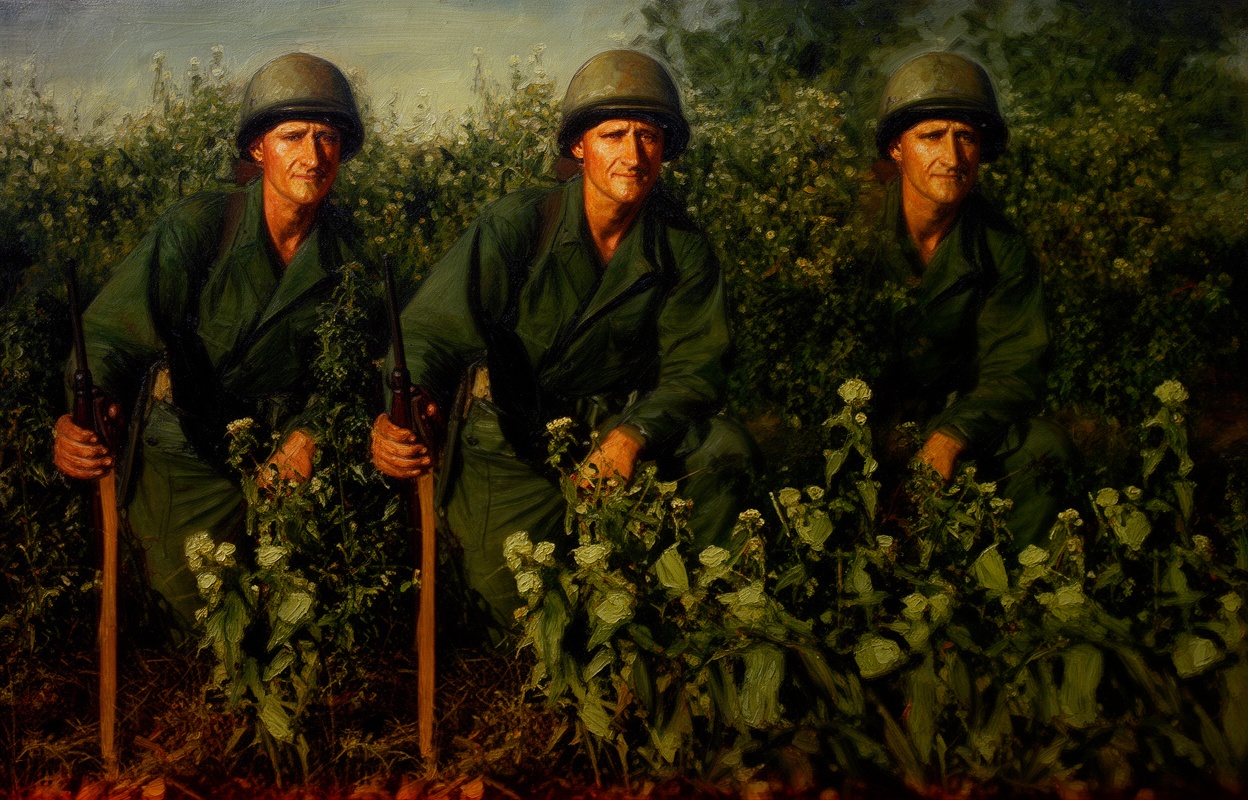
Bravery of Burman Soldier Highlights Sacrifice in WWII
The heroic actions of 1st Lt. Jack L. Knight in Burma demonstrate remarkable resilience. Despite severe injuries incapacitating him, his determination and sacrifice had significant implications during wartime.
1st Lt. Jack L. Knight’s actions in northern Burma serve as a stark reminder of the sacrifices made during World War II. Despite being rendered blind by Japanese forces, he embarked on a perilous mission, marching 200 miles to engage the enemy. His ultimate sacrifice resonates as a powerful testament to bravery in the face of adversity.
The context of Knight's bravery is critical to understanding the brutal conditions faced by soldiers in the Pacific theater. The campaign in Burma involved arduous terrain and fierce combat, reflecting the wider struggles of Allied forces against Japanese expansion. Knight’s decision to persist despite his injuries underscores the relentless will of soldiers during this harrowing period.
Strategically, Knight's mission aimed to disrupt enemy movements and supply lines, crucial to the success of Allied forces. His single-minded focus on countering Japanese advances exemplifies the tactical challenges faced by military leaders in the region. The implications of such sacrifices often fueled the morale of troops and influenced subsequent strategies in the theater.
In operational terms, Knight's march over 200 miles was not merely a physical challenge but also a significant tactical effort that showcased individual commitment amidst overwhelming odds. His actions, while resulting in his death, represented the high stakes of warfare where personal valor collided with military objectives.
The legacy of 1st Lt. Jack L. Knight stands as a poignant reminder of the costs of war. His determination to continue fighting, even in the face of debilitating injuries, highlights a spirit of resilience that continues to inspire military personnel today.