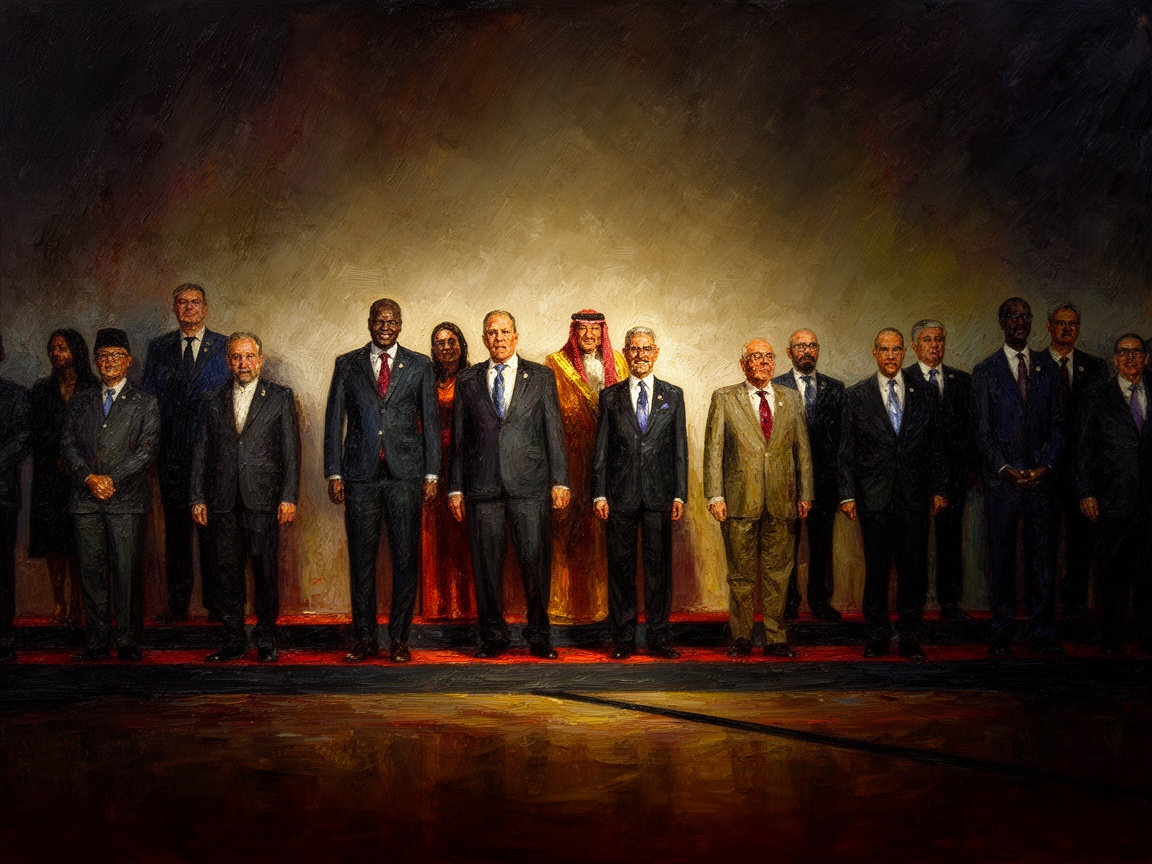
BRICS Meeting Collapses Over Iran Conflict Disagreements
The ongoing conflict in Iran is straining BRICS relations, as member states fail to reach a consensus. This discord highlights the challenges of diplomatic unity within the bloc.
The second consecutive BRICS meeting has ended without a unified position, primarily due to deep-seated disagreements regarding the ongoing conflict in Iran. Member nations, particularly Brazil, Russia, India, China, and South Africa, failed to reconcile their differing views, which poses a significant challenge to their collective diplomacy.
Historically, BRICS has aimed to present a united front on international issues, advocating for multipolarity and cooperation. However, the contentious situation in Iran, marked by military engagements and escalating tensions, has introduced fractures within the group. The inability to address this conflict cohesively may weaken the bloc's influence on the global stage.
The situation is significant as it underscores the divergent national interests among BRICS nations. While countries like Russia and China maintain a supportive stance towards Iran, India and Brazil adopt a more cautious approach, reflecting their unique geopolitical calculations. This divergence creates a perilous landscape for BRICS as it seeks to assert itself as a counterbalance to Western dominance.
In operational terms, the ongoing conflict in Iran involves various military actions and political drama that complicate international relations. Iran's role in regional conflicts, its nuclear ambitions, and the response from Western powers drive the current impasse. The BRICS nations need to navigate these complexities while preserving their diplomatic relations with one another.
The failure to achieve a consensus on such a crucial issue may lead to a reevaluation of BRICS’ stance in international forums. If these divergences remain unaddressed, the bloc risks fracturing, undermining its future as a platform for strategic cooperation.