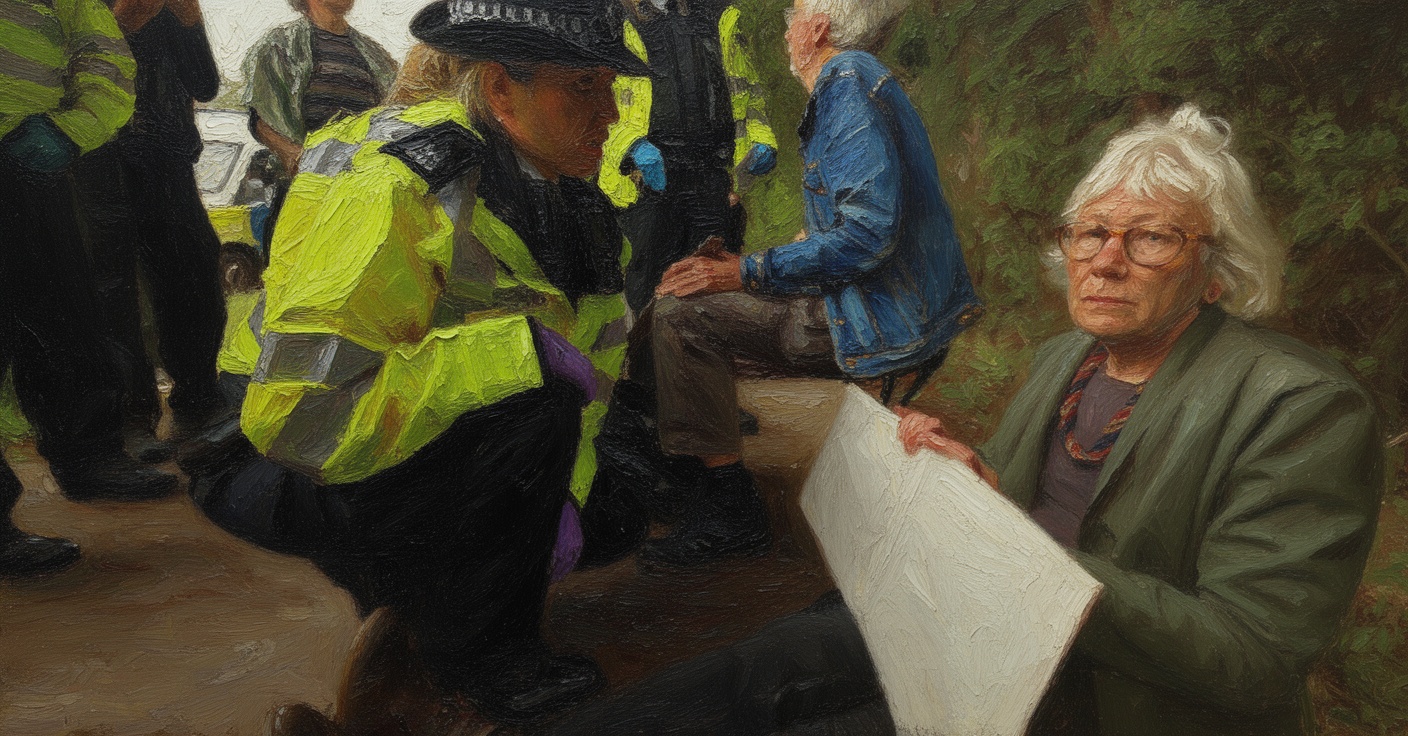
Britain's New Law Classifies Anti-Genocide Protests as Terrorism
Recent legal changes in the UK redefine anti-genocide protests as acts of terrorism. This reflects a troubling trend towards suppression of dissent in a democratic society.
In a controversial legal shift, protest against genocide in Britain is now being classified as terrorism. This change is exemplified by the Filton 4 case, where activists facing charges reveal a growing governmental fear of dissenting voices. This decision has sparked significant backlash from human rights advocates who argue that it undermines the fundamental rights to free speech and assembly.
Historically, the UK has prided itself on its commitment to democratic ideals and the right to protest. However, this new categorization shifts the paradigm, creating an atmosphere where those advocating against atrocities may face serious legal repercussions. Critics say this could inhibit resistance against state-sanctioned violence and humanitarian issues.
The strategic significance of this legal adjustment extends beyond the UK, as it could influence other democracies struggling with internal dissent. The fear of public outcry being labeled as terrorism may lead to increased governmental control and surveillance of groups protesting against injustices.
Legal experts note that such classifications require careful examination, as they can deter future activism and distort the public’s perception of legitimate protest movements. If dissent is equated with terrorism, the implications for civil liberties could be severe, stifling the voices of those who stand up for human rights.
Looking ahead, this development raises concerns about the future dynamics of civil protests in the United Kingdom and other democratic nations. If this trend continues, it may alter how societies address humanitarian crises and the role of public advocacy in shaping policy.