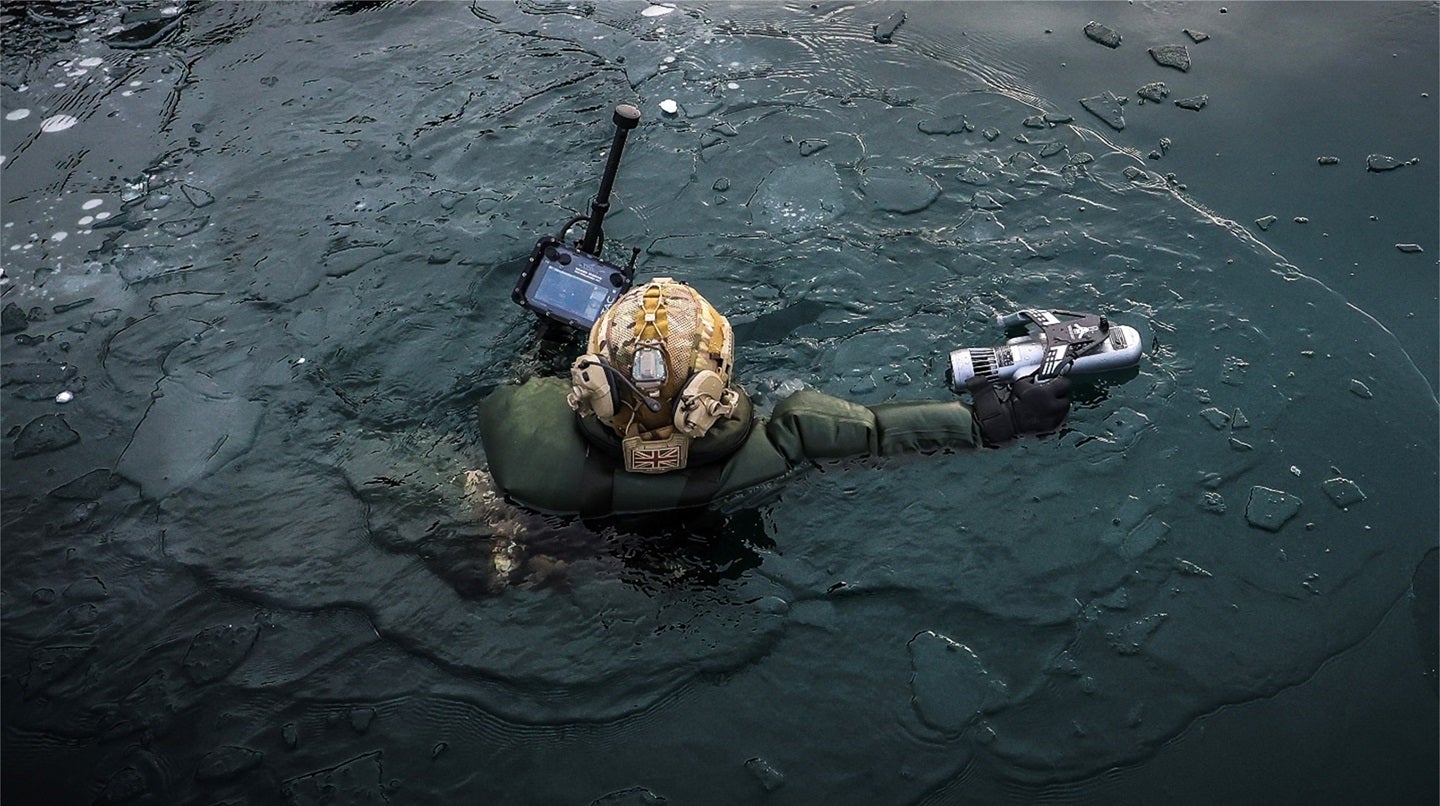
British Army Seeks UAS-Deployable Sensors for Ground Surveys
The British Army is enhancing its operational capabilities by calling for Unmanned Aerial System (UAS) technologies to survey river data critical for land force mobility. This development aims to improve tactical maneuverability and ensure efficient crossings.
The British Army has announced a requirement for Unmanned Aerial System (UAS)-deployed sensor technologies to survey river data, which is crucial for enhancing land force mobility and ensuring successful river crossings. This initiative is part of a broader effort to modernize the British military’s operational capabilities by leveraging advanced technology.
In recent years, river crossings have presented significant challenges for ground forces, especially in regions with complex terrains. The integration of UAS technology is expected to provide real-time data and analytics that facilitate better planning and execution of tactical operations in these areas. Such advancements could also minimize the risks faced by soldiers during maneuvers near water bodies.
From a strategic perspective, improved sensor technologies will enable the British Army to maintain a tactical advantage over potential adversaries. The ability to quickly assess and adapt to environmental conditions is critical in modern warfare, where information dominance often dictates operational success. By utilizing UAS-deployed sensors, the Army can ensure more effective decision-making and operational flexibility in the field.
Technically, the required UAS sensors are expected to include advanced imaging systems capable of delivering high-resolution data on river conditions, flow rates, and potential obstacles. The British Army has indicated its interest in systems that can seamlessly integrate with existing command and control infrastructures, ensuring interoperability and efficient data sharing.
As a likely consequence of this initiative, the British Army’s enhanced surveillance capabilities could significantly improve operational outcomes in both training and combat scenarios. The successful implementation of UAS technology may also prompt other nations to explore similar advancements in their military operations, potentially reshaping the landscape of modern warfare and defense practices.