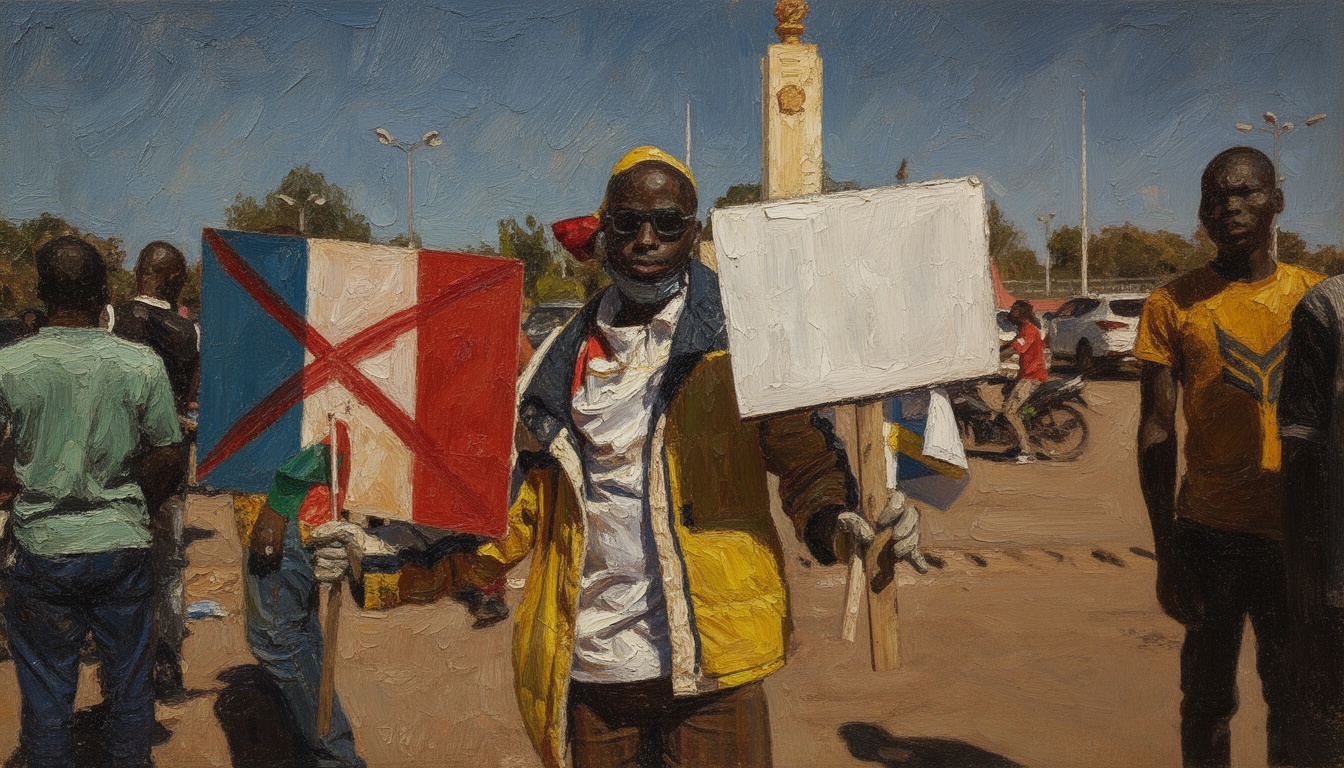
Burkina Faso Cuts Diplomatic Ties with France
Burkina Faso's junta cuts relations with France, signaling anti-Western sentiment. This marks a significant shift in Burkina Faso's foreign policy under military rule.
Burkina Faso's ruling junta severed diplomatic ties with France on Friday, accusing Paris of acting against its national interests. This decision reflects escalating anti-French sentiment in the country following a coup in September 2022 that brought Captain Ibrahim Traore to power. This shift is part of the military regime's broader strategy to distance itself from Western influence.
The military government, which has become increasingly repressive towards dissent and critical voices, has specifically targeted France as a perceived hostile entity. The junta's leadership, under Captain Traore, is pursuing a policy that rejects foreign interference and emphasizes national sovereignty. The announcement was made with the intent to inform both national and international communities of this significant change.
Strategically, this move signifies a growing trend among several African nations to reassess their relationships with former colonial powers and Western countries. It also highlights Burkina Faso's alignment with anti-colonial sentiment, as well as an inclination toward alternative partnerships. The shift could potentially embolden other nations in the region to follow suit, further fracturing Western influence in West Africa.
Operationally, the severance of diplomatic ties means that Burkina Faso may remove French diplomatic personnel from its territory, and could lead to the expulsion of military advisors or aid programs originating from France. This move will have consequences on military cooperation and economic assistance, which have been crucial for Burkina Faso in recent years, especially amid rising security threats from insurgent groups.
Looking forward, the implications of this decision are profound. The junta's stance may lead to increased isolation from the West, while also paving the way for closer ties with nations that oppose Western influence, such as Russia or China. As Burkina Faso navigates this new path, the potential for increased instability in the region could rise, complicating efforts to combat terrorism and enhance security.