Significance of China's Sanctions Evasion Tactics Revealed
China's sanctions evasion strategies pose serious implications for international relations. The case highlights the intersection of diplomacy and global security dynamics.
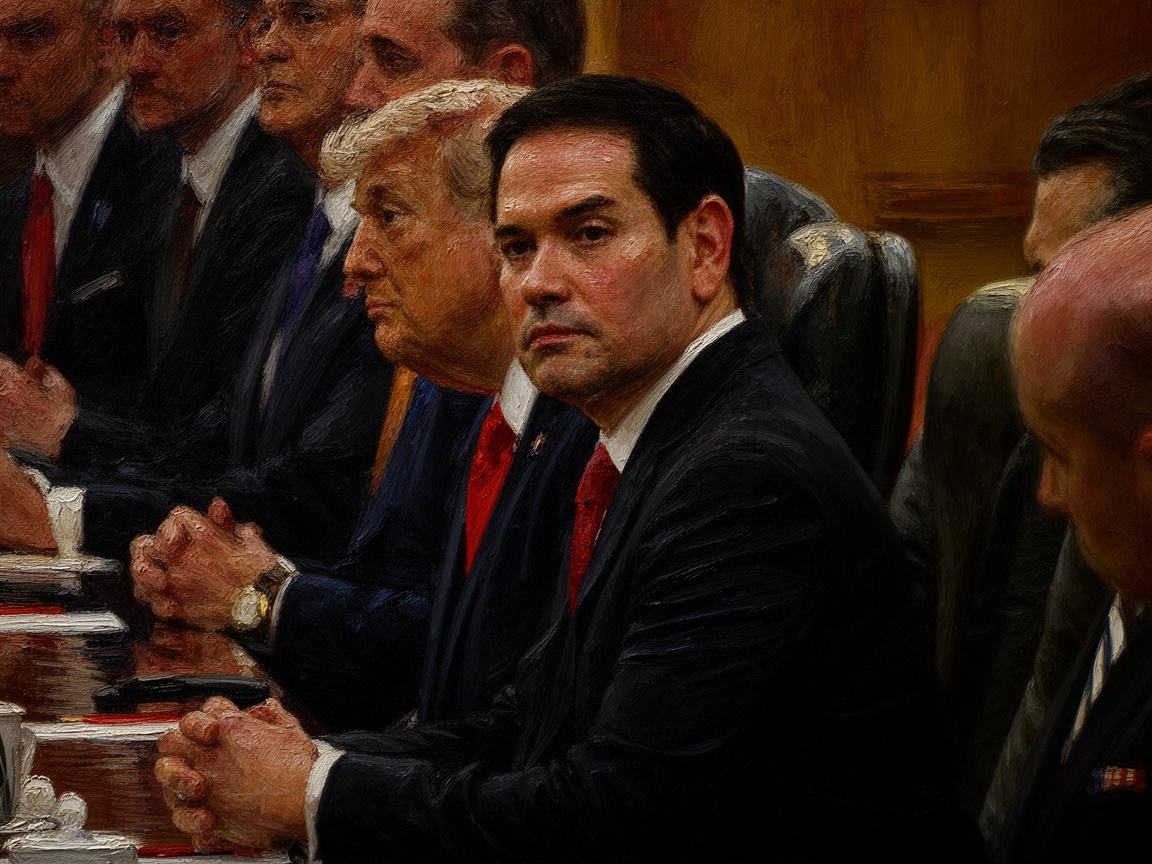
China has reportedly modified the name of the U.S. state secretary, Marco Rubio, to 'Marco Lu' to facilitate his participation in a summit with President Trump. This unusual diplomatic maneuver raises questions about Beijing's approach to sanctions and international diplomacy. Rubio, who is currently under Chinese sanctions, is visiting Beijing on official business.
The background to this situation reveals an increasing trend of states employing creative tactics to circumvent sanctions. Beijing's strategy not only aims to protect its diplomatic interests but also to send a message about the limitations of U.S. sanctions. The manipulation of names in international diplomacy is not unprecedented, but it showcases the lengths to which nations may go to maintain dialogue.
Strategically, such actions could reshape the balance of power as countries like China challenge the effectiveness of U.S. sanctions globally. This situation may encourage other states facing sanctions to adopt similar measures, thereby undermining international efforts to regulate and enforce sanctions. The implications for global diplomacy could be vast.
Regarding operational details, the name change exemplifies a case of dual identity within international relations. States often engage in such practices during high-stakes negotiations to ensure participation from key players, despite existing political disagreements. This incident also underscores the importance of monitoring these diplomatic gestures in future international interactions.
Consequently, the potential consequences of this action could lead to a reevaluation of how sanctions are perceived and upheld. If nations continue to bypass sanctions through such measures, it may call into question the overall efficacy of these tools as instruments of international policy. The forward assessment must consider how other nations might react, as well as how the U.S. might respond to these evolving diplomatic realities.