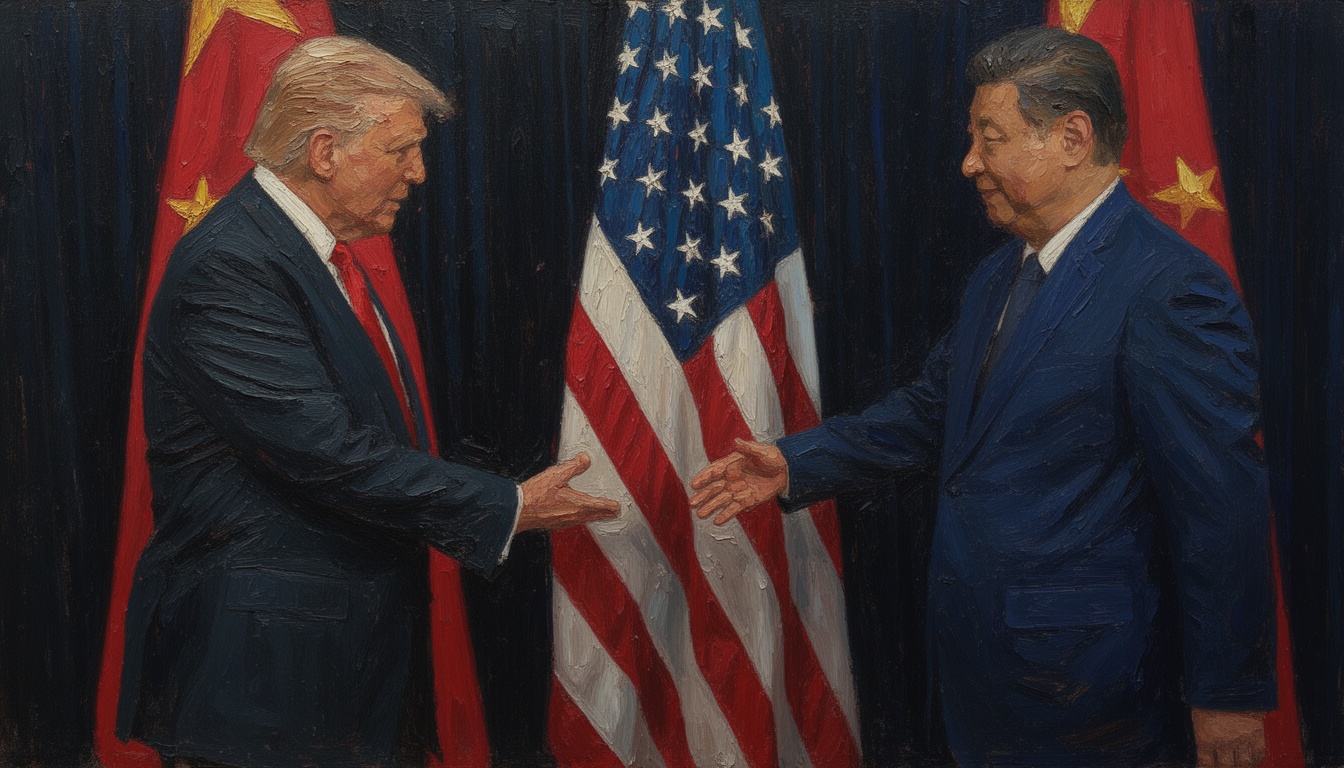
Trump-Xi Summit Addresses Trade, Taiwan, and Iran
The high-stakes meeting in Beijing involves critical global issues such as trade tensions, military sales, and regional security. The discussions will likely shape future U.S.-China relations and impact the geopolitical landscape significantly.
U.S. President Donald Trump's anticipated visit to Beijing on Wednesday comes amidst heightened anxieties over conflicts and economic disputes globally. Key topics on the agenda include discussions about Iranian relations and the implications of U.S. military support for Taiwan.
The backdrop of the summit reflects a world deeply concerned about rising tensions in various geopolitical arenas, including trade disputes and territorial integrity in East Asia. Trump's open willingness to engage extensively with Chinese President Xi Jinping signifies a move towards addressing these issues head-on.
Strategically, the discussions are poised to have significant ramifications for U.S.-China relations and could influence how both nations manage their respective roles in global trade and security. With the U.S. potentially expanding arms sales to Taiwan, this could further exacerbate tensions with China, raising the stakes of the summit even higher.
Operationally, the specific agenda will likely include considerations such as potential U.S. arms sales to Taiwan. The strategic implications of these sales could stretch beyond bilateral relations, forming a crucial piece in the puzzle of broader regional security dynamics.
In conclusion, the outcome of this summit could reshape the trajectory of U.S.-China relations and set the tone for future interactions in international diplomacy. Monitoring the results of these discussions will be vital for understanding shifts in global power dynamics moving forward.