US Navy Announces Aircraft Carrier Fleet Future Plans
The US Navy's carrier fleet is set for funding changes, impacting operational and procurement strategies. The plans signal a pivotal shift in the Navy's maritime capabilities.
The United States Navy has outlined a new strategy for its aircraft carrier fleet in the recently released Future Year Defense Program (FYDP). This plan includes a new round of funding that will affect both the continued service and procurement of aircraft carriers. Significant changes are anticipated as older vessels may be retired sooner than expected while new classes are introduced.
Historically, aircraft carriers have been the cornerstone of US naval power, symbolizing maritime dominance. With the need for modernization and adaptability to evolving threats, this comprehensive review of the carrier fleet aligns with broader defense objectives. Continuing shifts in global geopolitics necessitate a reevaluation of naval strategies and force structures, thereby impacting operational readiness.
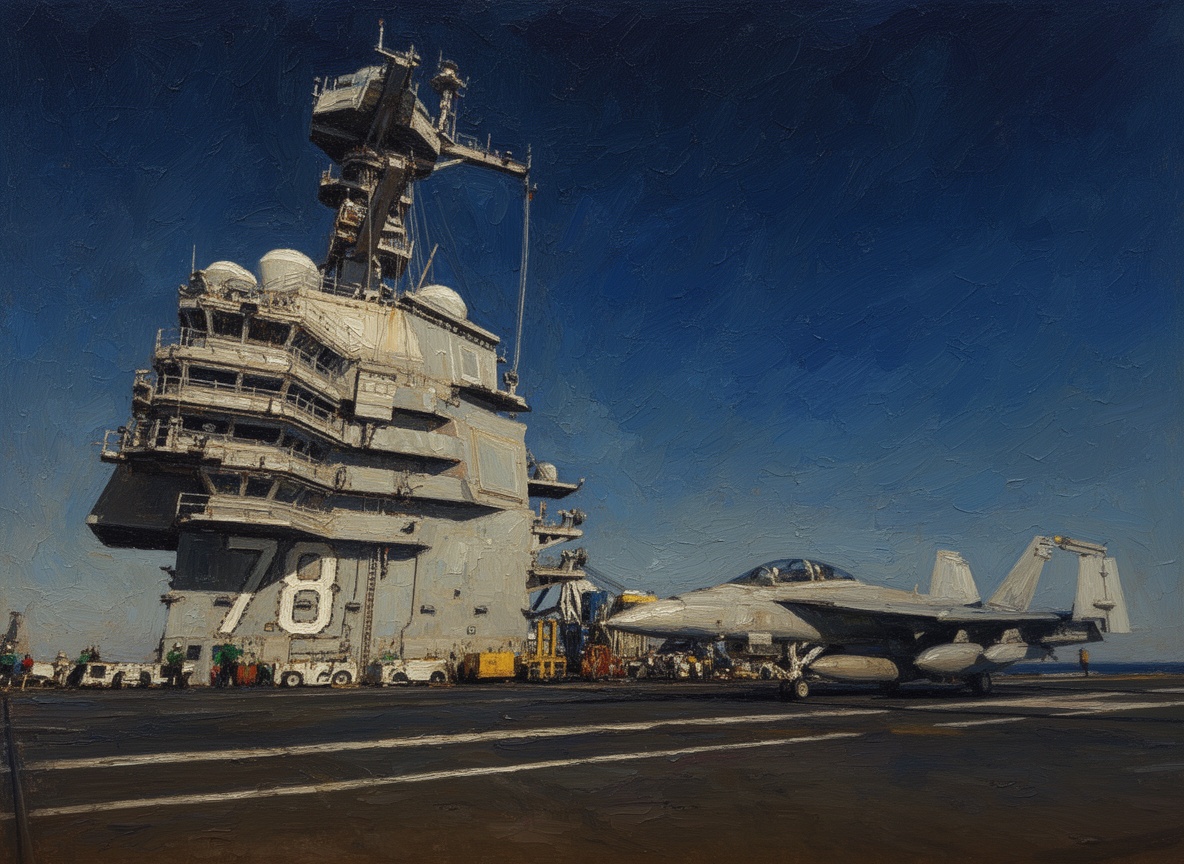
The latest FYDP outlines a carrier replacement program aimed at transitioning from older classes to the latest designs like the Gerald R. Ford-class carriers. These ships are equipped with advanced technology such as the Electromagnetic Aircraft Launch System (EMALS) and improved radar capabilities, enhancing mission effectiveness in contested environments. Planned investments emphasize sustaining carrier strike groups while maximizing technological advancements in ship design and operations.
These funding changes indicate the US Navy's commitment to maintaining its naval supremacy amid rising competition from peer adversaries like China and Russia. By adapting its approach to aircraft carrier operations, the Navy seeks to address potential vulnerabilities and ensure a robust presence in strategic waters. The implications of these developments will likely reverberate through international maritime security frameworks.
Looking ahead, the US Navy's plans for its aircraft carrier fleet may redefine the operational landscape of naval warfare. As procurement progresses, other naval powers will watch closely, prompting potential shifts in their own naval strategies and capabilities. This critical juncture for US naval aviation will require strategic foresight and continued investment to secure American maritime interests into the future.