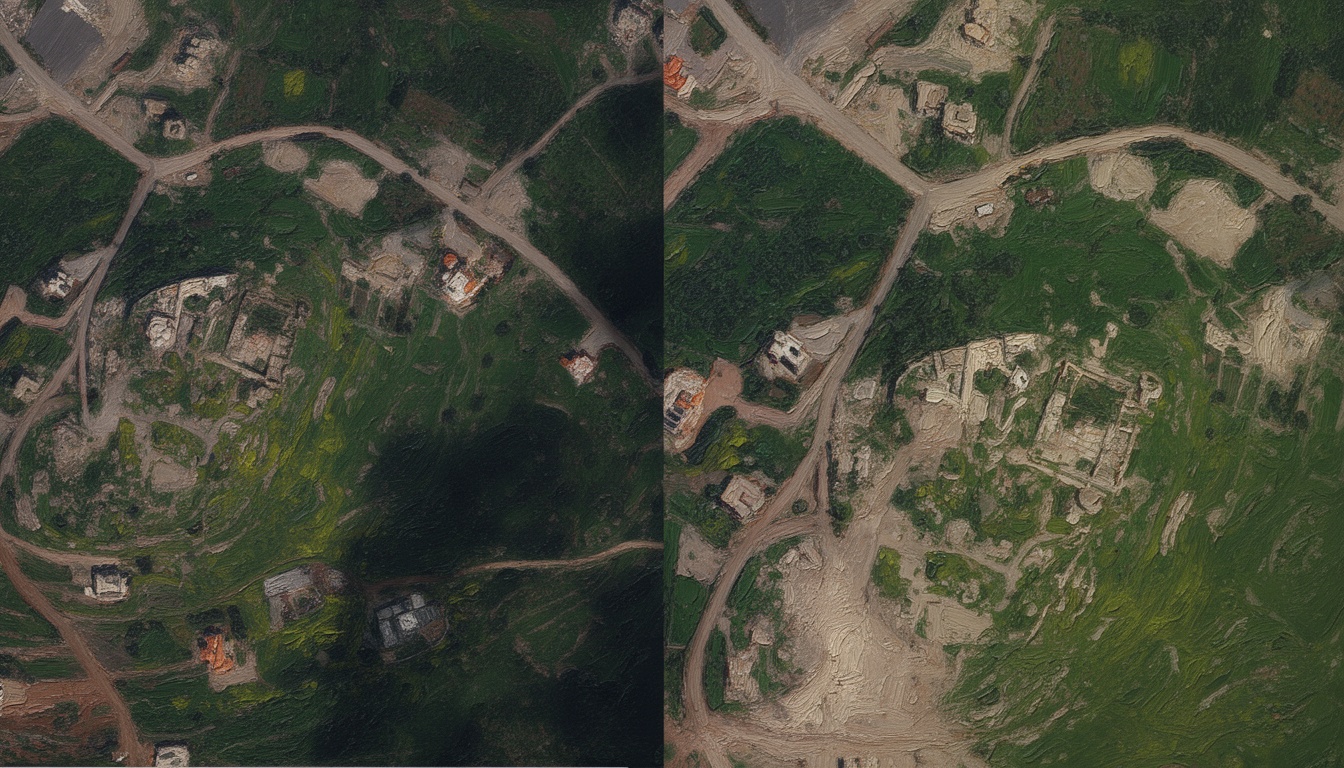
Israel Accused of Destroying Cultural Heritage in Southern Lebanon
The destruction of cultural and religious sites in southern Lebanon has major implications for regional stability. This campaign raises concerns over heritage preservation amid ongoing conflicts.
The Israeli Army has been accused of systematically destroying significant cultural and religious sites in southern Lebanon, as part of its ongoing military operations. Reports indicate that churches, mosques, and archaeological sites are being targeted, alarming local communities and international observers alike. The NGO Green Southerners has taken the lead in documenting this destruction, claiming it represents an intentional effort to erase the identity and history of the region’s inhabitants.
Southern Lebanon has a rich cultural heritage, deeply interwoven with the identities of its local populations. Historical links between the communities and their ancestral lands have persisted despite numerous conflicts over the years. However, as the Israeli Army's demolition campaign escalates, fears grow that these vital connections may be permanently severed. The loss of cultural sites not only impacts local communities but also undermines the historical narrative of Lebanon as a whole.
The strategic implications of this destruction may extend beyond heritage preservation. Cultural identity plays a vital role in regional stability, and the erosion of these connections could fuel further tensions. Experts warn that neglecting the cultural context of conflicts exacerbates already volatile situations, potentially leading to long-term instability in the region.
Green Southerners has reported extensive damage, including the destruction of heritage sites that date back centuries. Specific examples include the destruction of historic churches and mosques, which serve as community landmarks and places of worship. The exact number of destroyed sites remains unclear, but the impact is profoundly felt among the affected communities, leading to calls for international attention and intervention.
The ongoing situation in southern Lebanon presents a concerning outlook for both cultural preservation and peace. If these deliberate acts of destruction continue unchallenged, it could not only alter the local landscape but also provoke wider reactions from the global community, ultimately complicating efforts towards peace and reconciliation in the region.