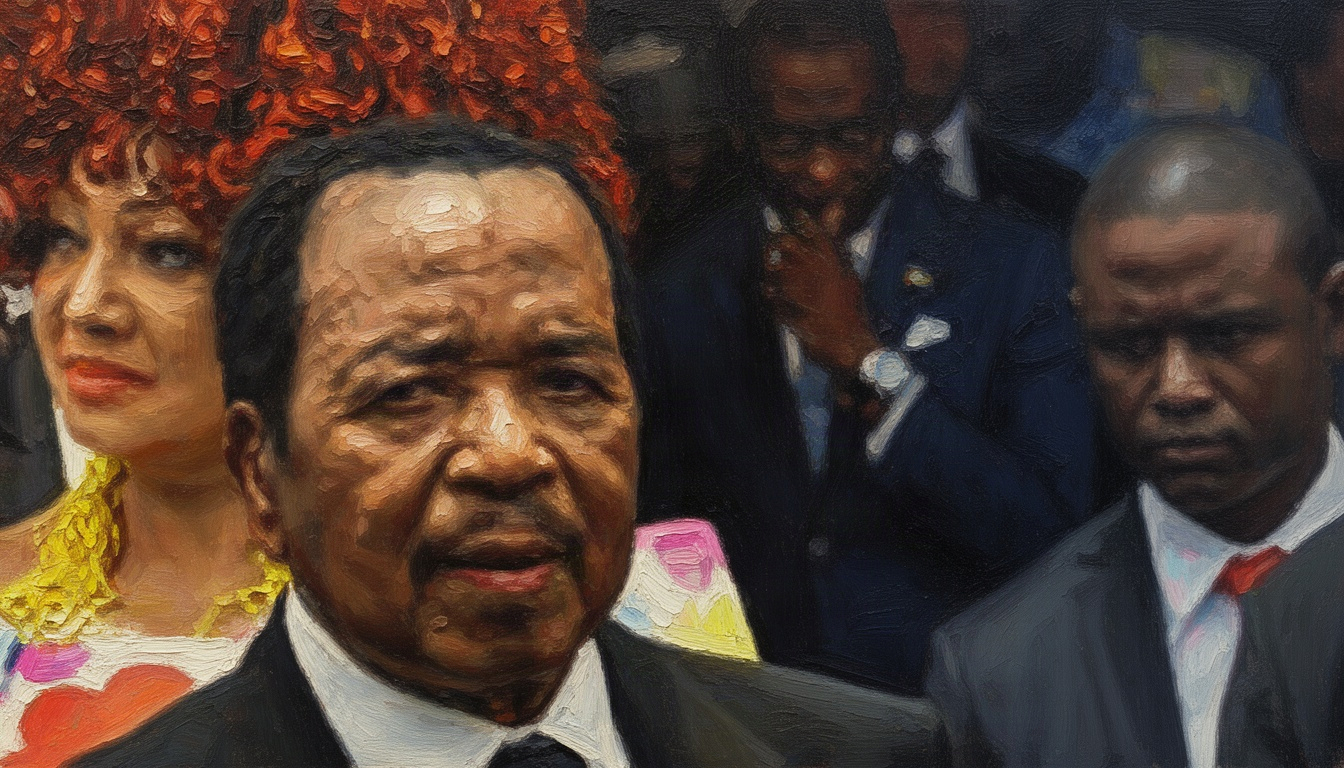
Cameroon's President Reshuffles Army Amid Health Rumors
Cameroon's stability hangs in the balance as President Paul Biya implements military changes during prolonged absence. The situation raises concerns about leadership continuity and security.
Cameroon's President Paul Biya has undertaken a significant reshuffle of the military amid ongoing speculation about his health following a two-month absence from public duties. This unprecedented move raises questions regarding the leadership structure and its capability to address the nation's security challenges effectively.
Since assuming office in 1982, Biya's rule has been characterized by a tight grip on power. His absence has been accompanied by an environment of unease, with rumors of health issues circulating among citizens and officials alike. Biya's administration has firmly denied these speculations, asserting that he remains fit to govern. Nevertheless, the reshuffle implies a strategic recalibration within the armed forces, possibly geared towards ensuring stability amidst political uncertainties.
Strategically, this military reshuffle reflects Cameroon's evolving security landscape, particularly in the face of ongoing conflicts in the Anglophone regions and threats from Boko Haram. The leadership decisions made in this context could significantly impact the operational readiness of the army and its ability to respond to both internal and external threats.
Details regarding the specific changes within the military hierarchy are scant; however, the reshuffle reportedly includes high-level appointments aimed at revitalizing the military command structure. Increased focus on operational effectiveness and responsiveness is expected to be at the forefront of this strategic shift.
Looking forward, the prolonged absence of President Biya could lead to increased scrutiny of the power transition mechanisms in Cameroon. Observers are likely to closely monitor how the military adapts under the new leadership dynamics and the implications for national security in an increasingly turbulent regional environment.