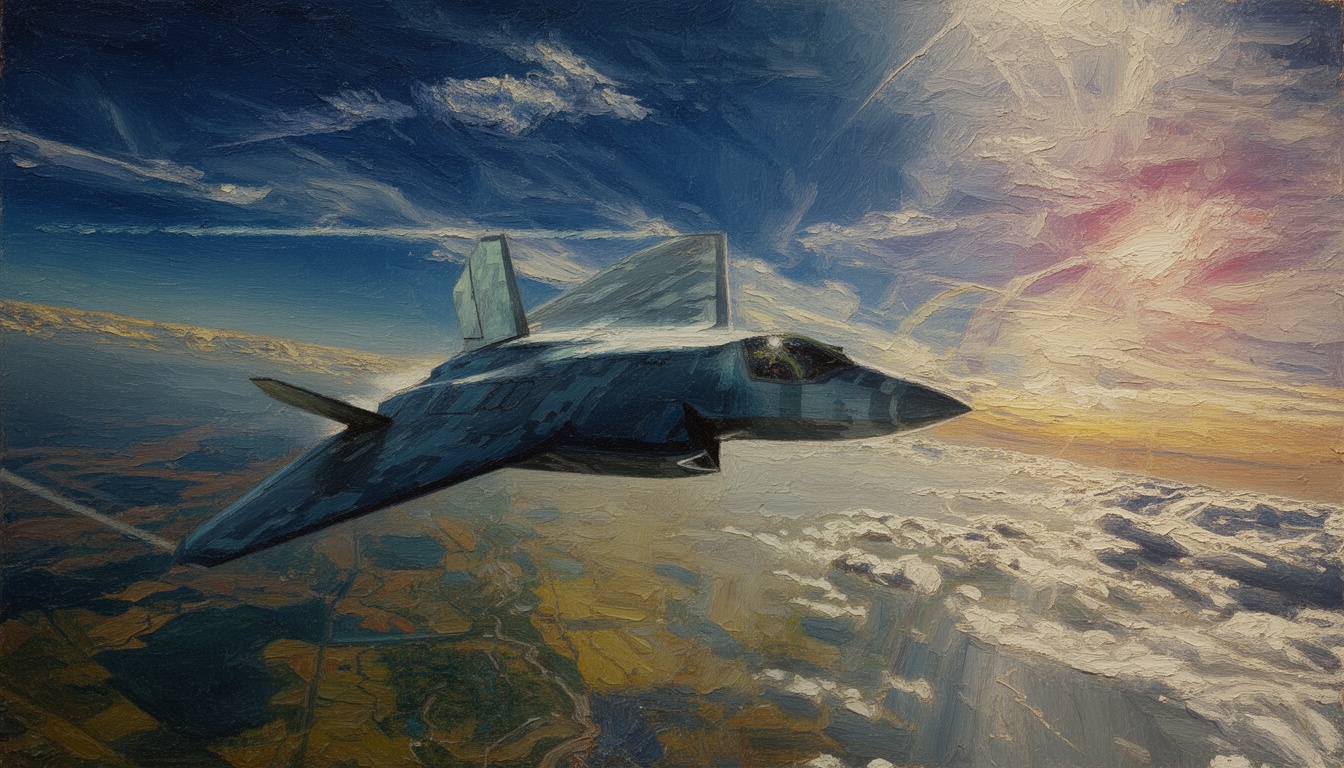
Canada Considers Joining GCAP Sixth-Gen Fighter Program
Canada's interest in the GCAP program reflects a strategic shift in defense partnerships. This decision could reshape alliances and procurement processes.
The Canadian government has indicated interest in joining the Global Combat Air Programme (GCAP), a multinational initiative aimed at developing next-generation fighter aircraft. This development signifies a potential shift in Canada’s defense strategy as it contemplates diversifying its fighter jet fleet and enhancing partnerships with nations beyond the United States. Timing remains a crucial factor, as Canada evaluates its existing defense commitments and procurement plans amidst a changing global security landscape.
The GCAP program involves collaboration among key military powers, including the United Kingdom, Italy, and Japan, and aims to produce a sixth-generation fighter jet by the 2030s. Canada’s involvement could lead to significant technological and operational advancements in its military capabilities, potentially integrating advanced features such as stealth technology and enhanced sensor systems. This move is seen as part of Canada’s broader strategy to enhance deterrence and combat readiness.
Strategically, this interest aligns with Canada's efforts to strengthen its defense posture, particularly in the face of evolving threats in global security. The inclusion in the GCAP would allow Canada to leverage shared expertise and resources, ultimately enhancing its air power capabilities. Additionally, it may lead to more robust defense ties with its allies, countering aggressive actions from global powers.
On the technical side, the GCAP aims to replace aging fleets with state-of-the-art systems like the Tempest fighter jet. With an anticipated budget exceeding $30 billion for the development phase, the project represents a significant investment in the future of air combat. This funding will support R&D initiatives that could also benefit other defense sectors.
As Canada's defense policy evolves, the implications of this interest in the GCAP program may reshape not only its air force but also its geopolitical relationships. The government must balance its commitments while ensuring it secures a place in this pivotal program, reflecting a shift in defense priorities tailored to meet contemporary security challenges.