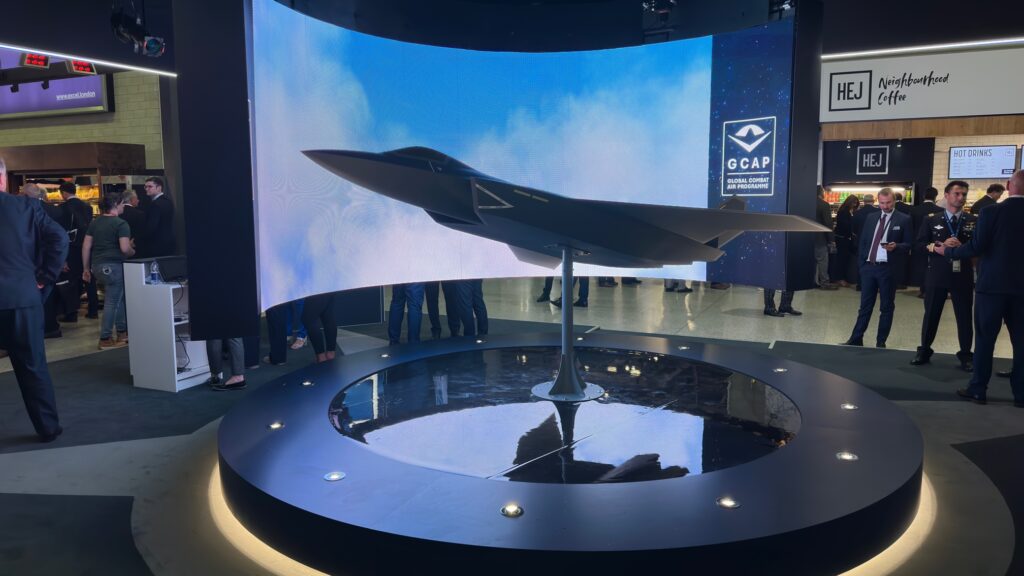
Canadian F-35 Purchase Under Review, No GCAP Impact
Canada’s F-35 procurement remains uncertain as officials evaluate options. The decision will prioritize the best interests of Canadian defense capabilities.
Canada's Minister of National Defence, David McGuinty, declared that the decision on the procurement of the F-35 fighter jets is still under review. He emphasized that this evaluation will continue until a thorough assessment can be made to ensure the best outcome for Canadian national interests. McGuinty clarified that joining the Global Combat Air Program (GCAP) will not influence the current generation fighter purchase decision. This shows a commitment to carefully balancing Canada’s defense needs with future capabilities.
The F-35 program has been a topic of discussion since Canada expressed interest several years ago. The aircraft is known for its advanced stealth technology and multi-role capabilities, designed to operate in various combat environments. Despite the ongoing review, Canadian officials are exploring all potential alternatives, including the benefits and drawbacks of joining the GCAP, which involves collaboration with other nations for future combat aircraft developments.
The strategic significance of this decision cannot be understated, as Canada seeks to modernize its air force while maintaining interoperability with allies, particularly the United States and other NATO members. Investing in the right mix of fighter jets is crucial to maintaining a credible deterrent posture in North America.
Operationally, the F-35A Lightning II has established itself as a strong contender among modern fighter aircraft. Canada’s planned acquisition is estimated at several billion dollars, reflecting the ongoing investment in long-term defense capabilities. Joining GCAP could offer Canada access to advanced technologies and collaborative platforms, but the government is cautious to ensure that it aligns with national security priorities.
Moving forward, the outcome of the F-35 decision will shape Canadian airpower for years to come. As the landscape of global air combat evolves, Canada must carefully consider its options to ensure it remains competitive and capable of defending its airspace against emerging threats.