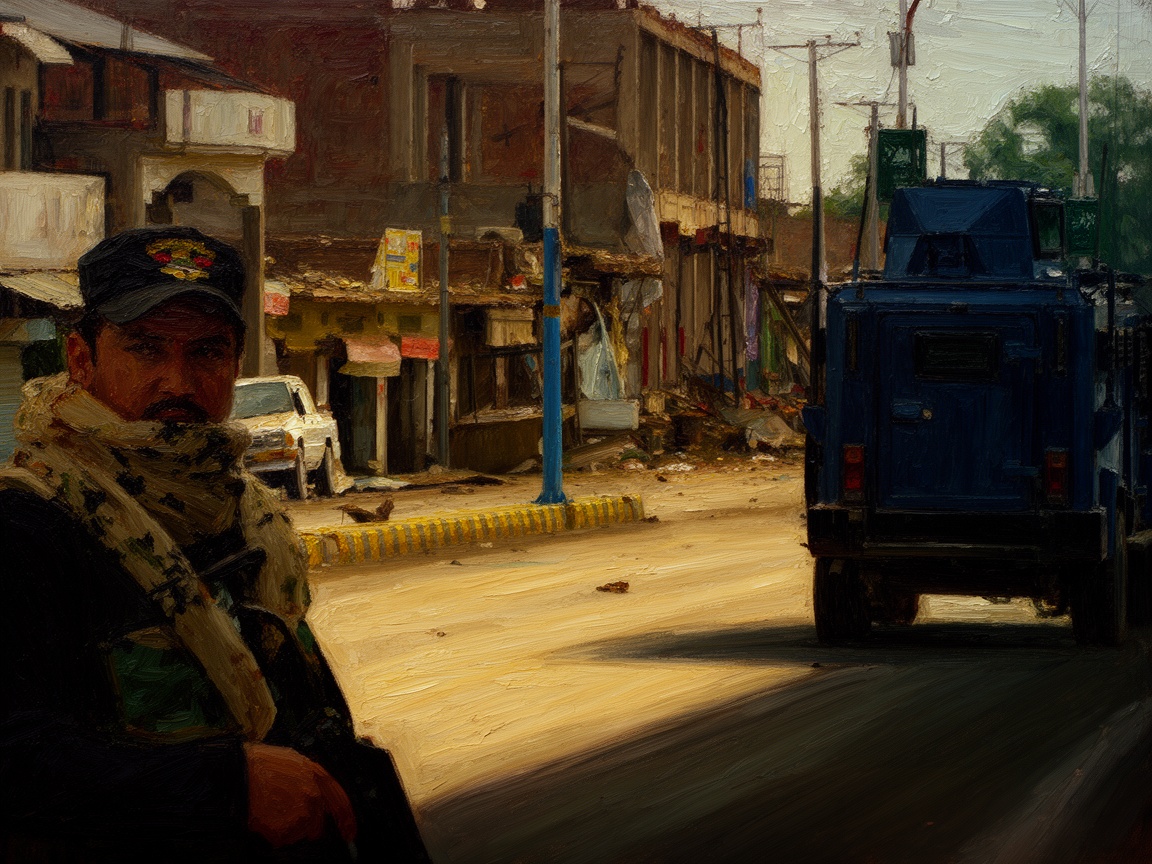
Car Bomb Attack Kills 27 in Northwest Pakistan
The attack underscores ongoing instability in Pakistan, with implications for regional security. The Pakistani Taliban's involvement highlights a continued threat in the sector.
A car bomb attack in northwest Pakistan has resulted in the deaths of at least 27 individuals. The Pakistani Taliban claimed responsibility for the assault, stating that four suicide bombers executed the operation. This incident marks one of the deadliest attacks in the region in recent months, demonstrating the persistent threat posed by militant groups.
Despite various military operations aimed at suppressing extremist factions, violence has escalated in areas traditionally under Taliban influence. The Pakistani government has faced criticism for its inability to secure stability in its northwest regions, where the Taliban has been active for years. The recent attack raises alarms about the capability of security forces to counter such insurgent activities.
Strategically, the attack signals a potential escalation of hostilities within Pakistan and poses questions regarding the safety of civilians in conflict-affected areas. The international community is closely monitoring this development, given its potential ramifications on regional security dynamics and counter-terrorism efforts in neighboring countries such as Afghanistan.
Operationally, the use of suicide bombers indicates a shift in tactics by the Pakistani Taliban, who may be adapting to increased military pressure. The precise location of the attack, alongside the significant number of casualties, highlights the operational capacity of these militant factions in launching large-scale assaults despite ongoing counterterrorism operations.
In the aftermath of this brutal attack, the Pakistani government may be compelled to reassess its counter-terrorism strategies. Enhanced military cooperation with international partners as well as intelligence-sharing initiatives could be vital moving forward to prevent further violence and protect civilian lives in the region.