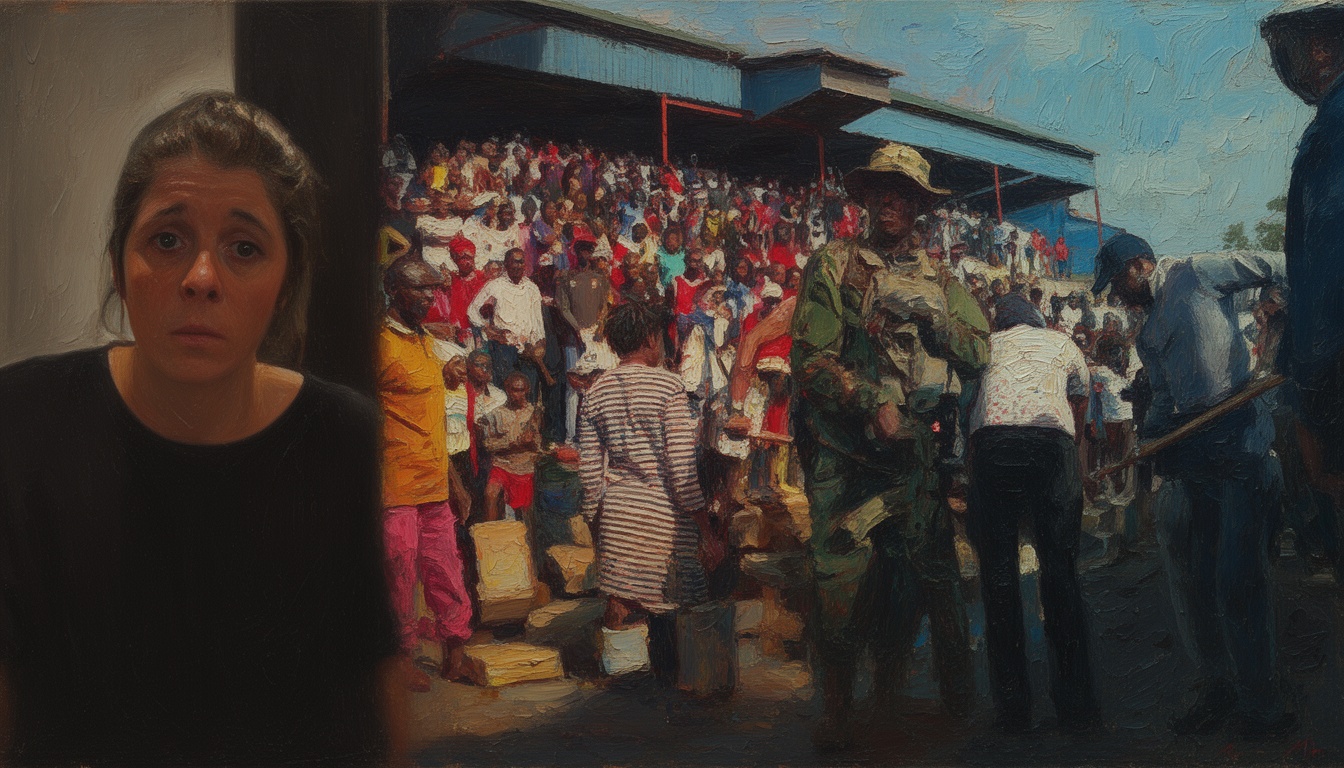
Human Rights Watch Reports Atrocities by M23 and Rwanda in DRC
Atrocities committed by M23 rebels and the Rwandan army in Uvira pose grave implications for regional stability in Central Africa.
M23 rebels, alongside the Rwandan army, are accused of carrying out a series of atrocities, including killings, rapes, and abductions during their month-long occupation of Uvira in the eastern Democratic Republic of Congo. This revelation was detailed in a report released by Human Rights Watch on Thursday. The occupation occurred during late 2025 and early 2026, raising alarms about the ongoing violence in the region.
The M23, a rebel group primarily composed of ethnic Tutsi and formed in 2012, has a history of conflict dynamics tied to tensions between Rwanda and the DRC. The report highlights how the collaboration between the M23 and Rwandan forces poses severe threats to civilians and exacerbates existing instability in the eastern Congo, a region long plagued by violence and political strife.
Strategically, the actions of the M23 and Rwandan military forces undermine the already fragile peace efforts in the Great Lakes region. With accusations of human rights abuses, the international community faces an urgent call to respond and curb further escalation of violence that could draw in neighboring countries and destabilize regional security.
Operationally, the presence of both M23 and Rwandan forces in eastern DRC complicates military engagement strategies. Human Rights Watch's evidence suggests a systematic pattern of violence, indicating that the atrocities were not isolated incidents but part of a broader campaign against the local population.
Looking ahead, the fallout from this report could lead to increased international scrutiny of Rwanda's involvement in DRC. There may be potential consequences for diplomatic relations between Rwanda and other nations in the region, prompting calls for accountability and stabilization efforts to protect vulnerable populations in eastern Congo.