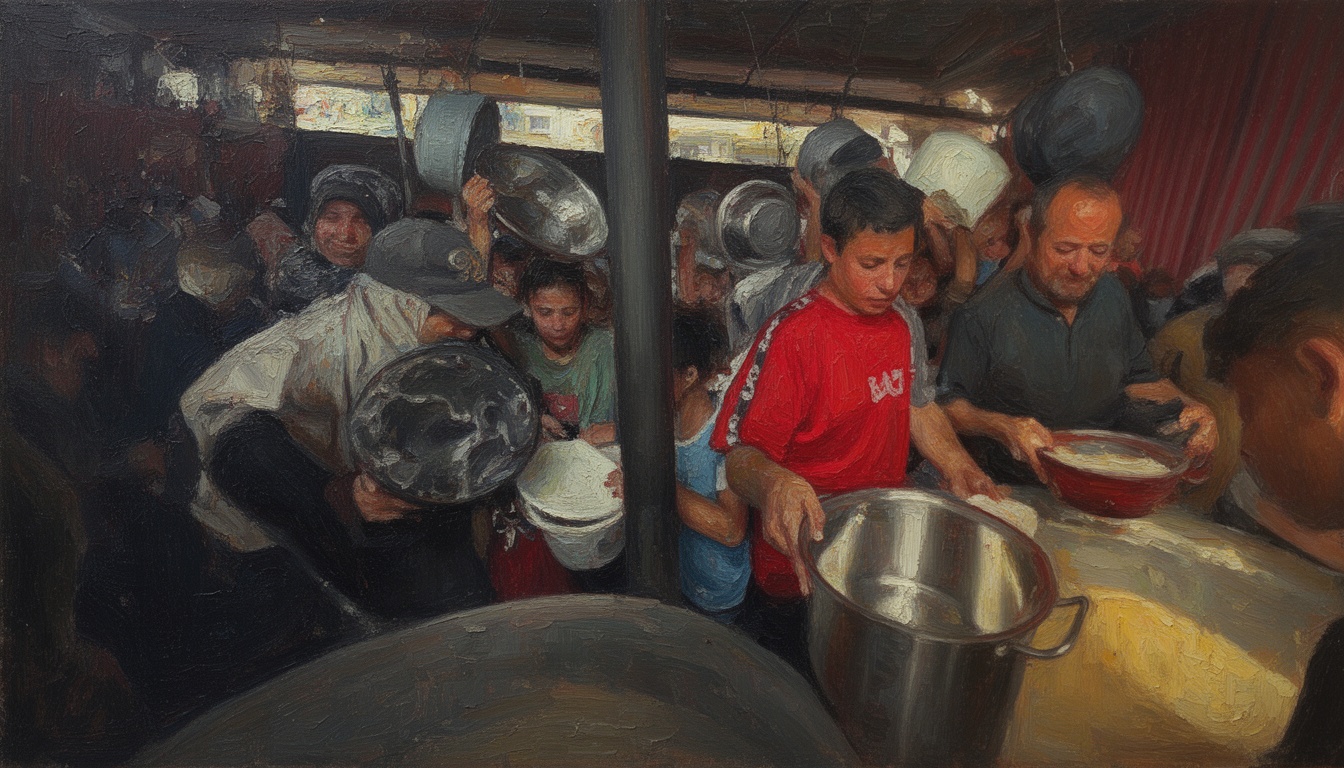
Ceasefire in Gaza Fails to Improve Dire Conditions
Nine months into the Gaza ceasefire, structural emergency persists as aid access remains restricted. Humanitarian actors struggle to provide lasting relief amid extensive limitations.
Nine months after a ceasefire was initiated in Gaza, conditions are reportedly still dire. Shaina Low, Communications Advisor for the Norwegian Refugee Council's Palestine mission, emphasizes that despite no large-scale hostilities, Gaza is trapped in a structural emergency. Humanitarian actors face extensive restrictions, preventing them from advancing beyond short-term relief efforts.
In Gaza, the humanitarian crisis has evolved into a complex situation where the scale of initial destruction is overshadowed by the limitations on recovery efforts. Low states that while hostilities may have decreased, the pressing issue is the inability to reverse the devastation caused, despite a ceasefire being in effect. Aid, construction materials, and operational access are critically limited, leading to a continuous cycle of dependency on temporary relief.
This stagnation has significant strategic implications. The sustained restrictions hinder the rebuilding of infrastructure, which is essential for a long-term resolution to the humanitarian crisis. The current situation not only affects the daily lives of Gazans but also poses challenges to regional stability, as the prolonged state of emergency may lead to further tensions.
Operationally, the restrictions on aid from international organizations complicate the delivery of essential services. Organizations strive to address immediate needs, but the inability to restore infrastructure and provide sustained support limits any potential for a brighter future for Gaza's population. The situation underscores a failure to leverage the ceasefire as a means to alleviate the growing humanitarian needs.
Going forward, there is an urgent need for international actors to address these barriers. A collaborative effort is required to lift restrictions on essential supplies and for a concerted push towards constructing long-term solutions. Without significant changes to the aid framework, the prospects for recovery in Gaza remain bleak, and the chance for lasting peace is further diminished.