China Accuses US of Targeting Chinese Firms Amid Tensions
China's accusations highlight rising friction over trade and technology. The blacklisting of over 60 companies could escalate economic confrontations.
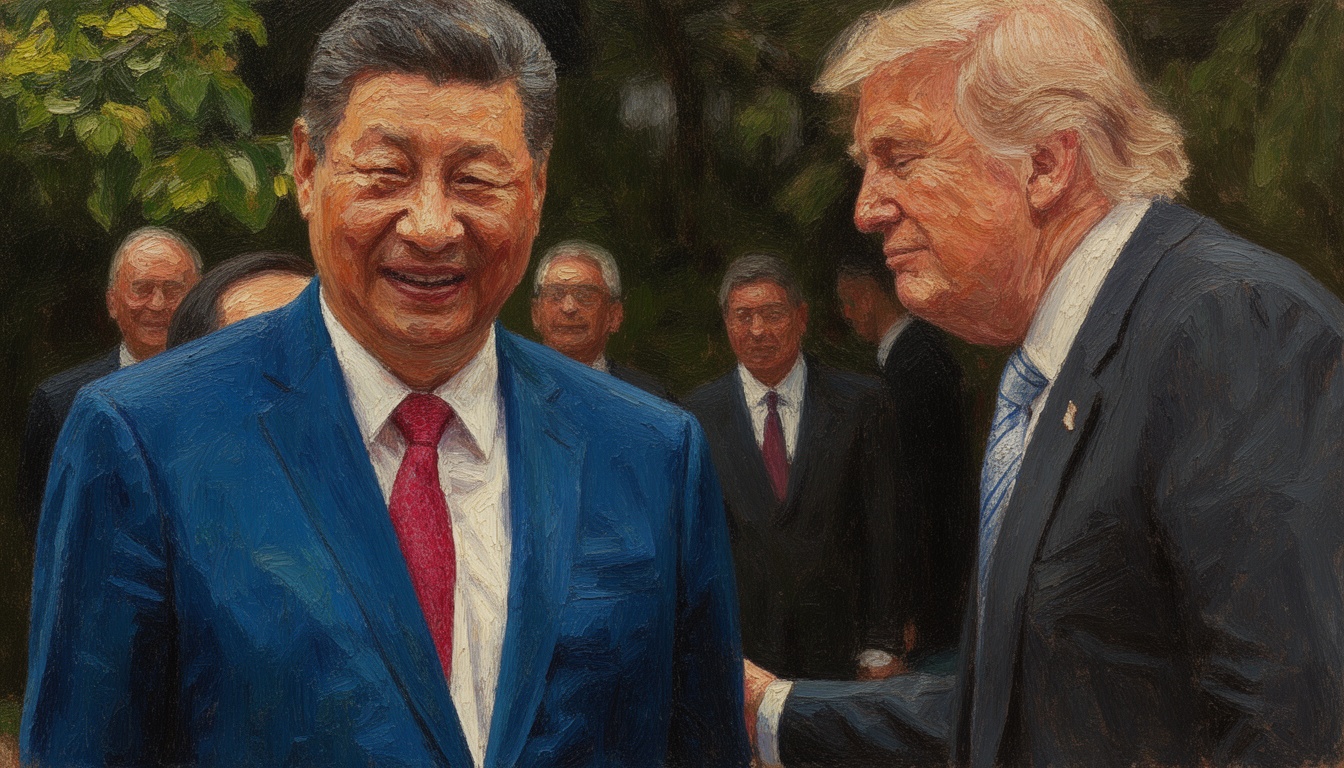
China has condemned the United States for misusing its national power to blacklist over 60 Chinese companies. Beijing claims that the US has ignored the agreement made between President Donald Trump and Chinese President Xi Jinping during their May meeting in Beijing.
In early June, the U.S. Department of Defense added numerous Chinese companies, including notable firms like Alibaba, Baidu, and BYD, to its blacklist, labeling them as 'Chinese military companies operating in the United States.' This move is perceived as an escalation in the ongoing trade tensions between the two economic powers.
The implications of this action are significant, as it raises questions about the future of U.S.-China diplomatic and economic relations. The growing scrutiny of Chinese firms within the U.S. reflects a broader strategy to counter perceived threats to national security and economic dominance.
Operatively, the blacklisting does not only affect the companies involved but could also impact U.S. stakeholders and investors linked to these firms. The escalating situation may prompt the Chinese government to retaliate further, particularly after they implemented export controls against key U.S. products shortly after the blacklist was announced.
Looking ahead, this friction suggests a protracted period of trade conflict, with China's response mechanisms likely to evolve. The situation has the potential to complicate future negotiations and exacerbate existing geopolitical tensions, as both nations navigate their respective strategies in a rapidly changing global landscape.