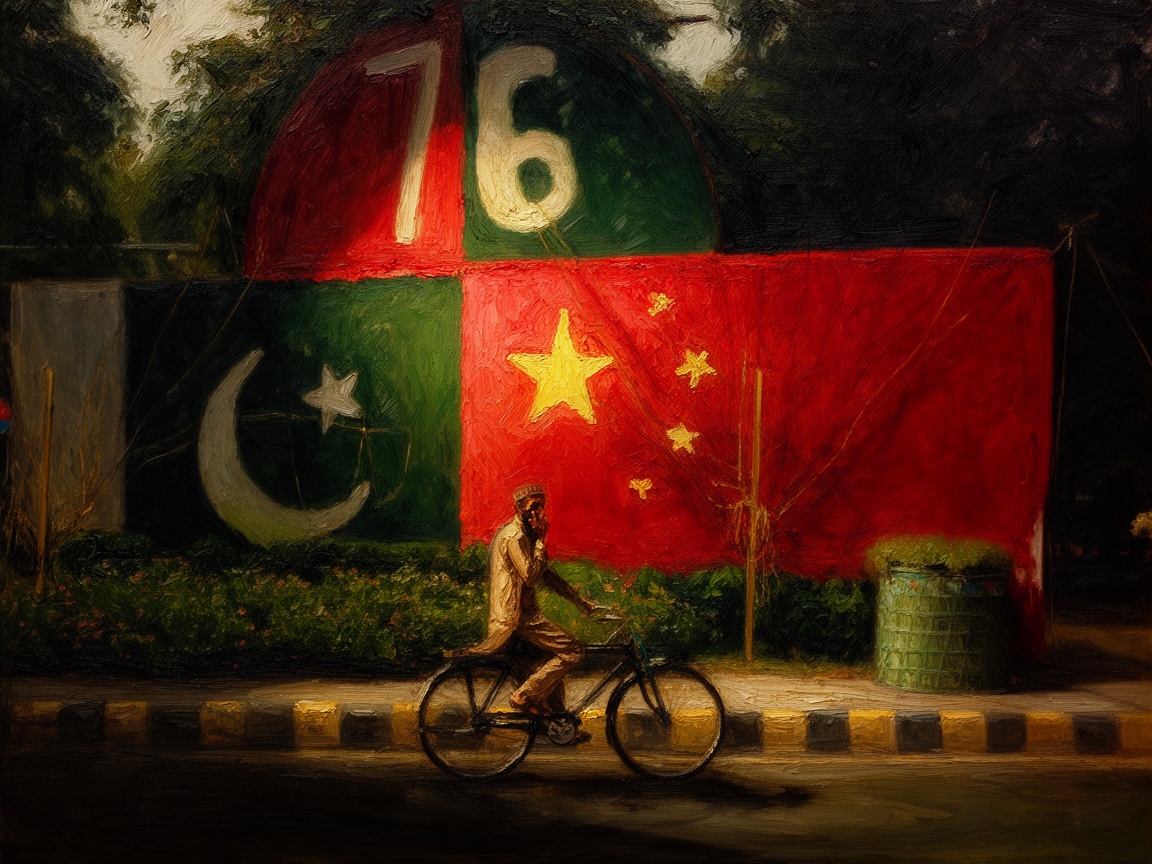
China and Pakistan Celebrate 75 Years of Strategic Partnership
The 75-year relationship between China and Pakistan has vast implications for regional stability and security dynamics. From nuclear collaborations to trade agreements, both nations have solidified their ties amid evolving geopolitical landscapes.
China and Pakistan have marked a significant milestone in their diplomatic relationship as they celebrate 75 years of partnership. This alliance has been characterized by various forms of collaboration from nuclear technology exchanges to mutual support in international forums. The longevity of their relationship raises questions about its future amid the changing geopolitical context in Asia.
Historically, China and Pakistan’s bond has been driven by strategic interests, especially in light of their shared concerns over India’s military capabilities. The cooperation has extended beyond defense, involving infrastructure projects notably the China-Pakistan Economic Corridor (CPEC), which is set to enhance economic connectivity across the region. Such projects underline the cooperative spirit that defines their partnership, which has often been termed an 'Iron Brotherhood'.
Strategically, the partnership serves as a counterbalance to India’s influence in South Asia. This collaboration is navigating through contemporary challenges such as U.S.-China tensions and the evolving security scenario in Afghanistan after the Taliban's takeover. As both nations reassess their global strategies, they may strengthen their joint military exercises and arms trade, further solidifying their cooperative defense capabilities.
Technologically, the relationship has been marked by significant transfer of defense technologies particularly in missile and nuclear fields. Chinese assistance in developing Pakistan’s nuclear capabilities has been crucial, providing Islamabad with a strategic deterrent against its regional adversaries. Future developments may include deeper military ties, enhancing Pakistan's defense infrastructure with advanced Chinese systems, which could alter the regional balance of power.
The implications of their continued partnership remain significant; as both countries face external pressure, their alliance is poised to evolve. Potential new agreements could focus on energy cooperation and counter-terrorism initiatives, reinforcing their commitment to mutual aid. As tensions rise in the Indo-Pacific, this enduring partnership will likely shape the contours of regional security dynamics for the foreseeable future.