China Condemns Japan’s First Overseas Missile Test Since WWII
China's condemnation highlights rising tensions in Asia as Japan advances its military capabilities. This incident raises security concerns regarding regional stability.
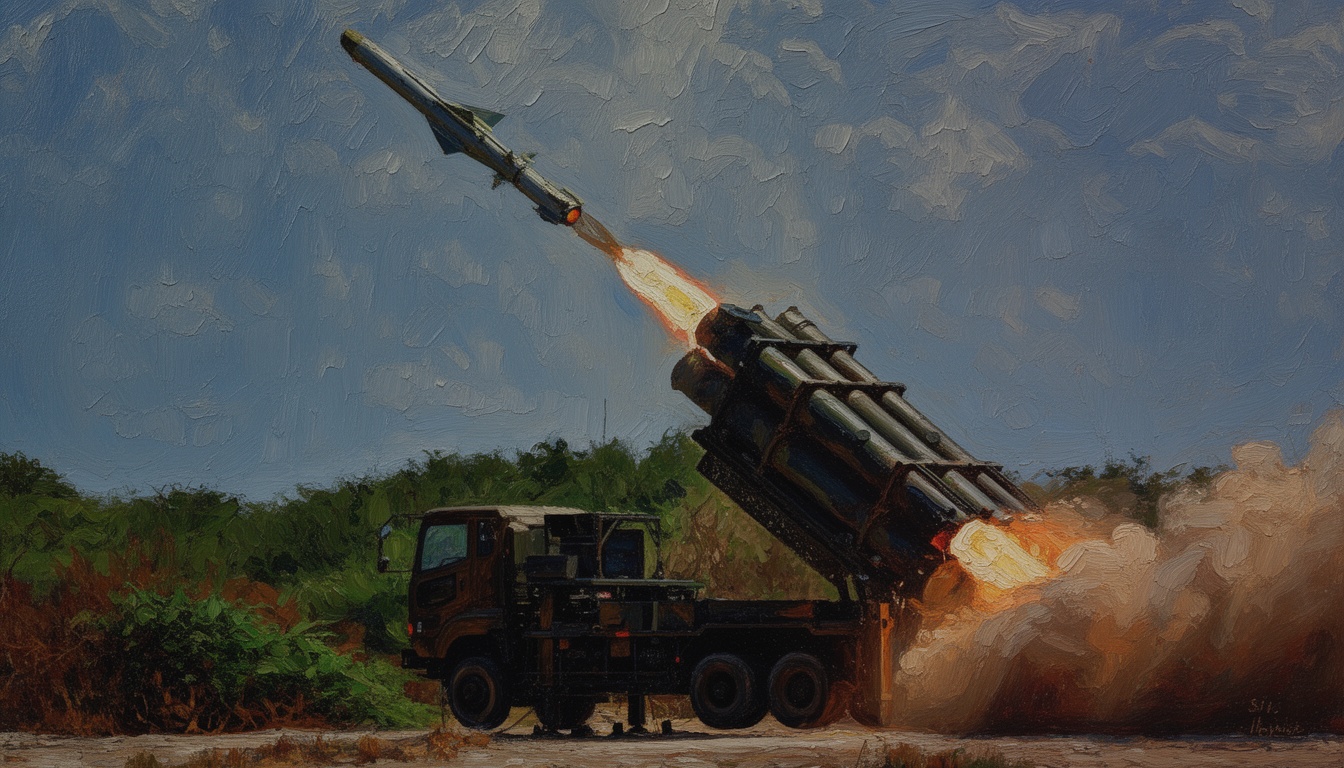
China has strongly condemned Japan's recent missile test, labeling it the first overseas launch of an "offensive missile" since World War II. This event took place during the "Balikatan 2026" joint military exercise led by the United States and the Philippines, where Japanese forces fired a Type 88 surface-to-ship missile on Wednesday.
This is a significant development in Japan's military trajectory, marking a departure from its post-war pacifist stance. China accuses Tokyo of pursuing a neo-militarism policy that exacerbates the regional arms race. Beijing’s concerns reflect a broader anxiety regarding Japan's military resurgence and its implications for regional power dynamics.
The strategic implications of Japan conducting such missile tests overseas are profound. With tensions escalating in the Asia-Pacific region, Japan’s military expansion could provoke responses not only from China but also from neighboring countries wary of an empowered Japanese military. The potential for a regional arms race is heightened as other nations may feel compelled to bolster their own defenses.
The Type 88 missile, capable of engaging maritime targets, symbolizes Japan's growing offensive capabilities, which were previously constrained by constitutional limits. This shift in defense strategy indicates a significant change in Japan's approach to national security and deterrence amidst changing regional threats.
Going forward, this incident is likely to accelerate diplomatic tensions between China and Japan, as Beijing seeks to counter perceived threats from Tokyo. Analysts predict increased military posturing in the region as allies reassess their security strategies in light of Japan's evolving military role.