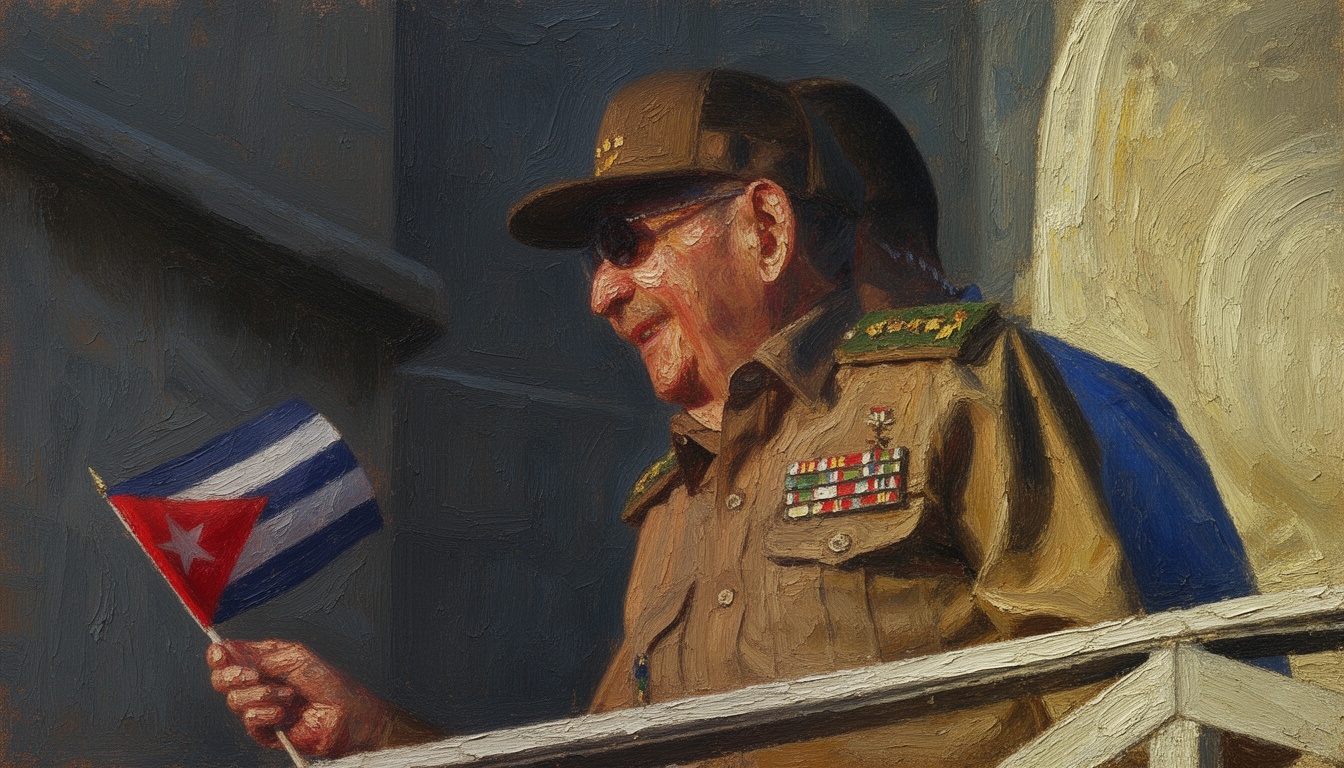
China Condemns US Sanctions Over Castro Charges
China denounces US criminal charges against Raul Castro, condemning unilateral sanctions. This tension may impact US-Cuba relations and China's diplomatic stance.
On Thursday, the People's Republic of China issued a strong condemnation of the United States in response to criminal charges brought against former Cuban leader Raul Castro. This development comes as the Trump administration intensifies its political and economic pressure on Cuba’s socialist government's activities. China’s Foreign Ministry stated that it firmly opposes such actions, calling them violations of international law.
The criminal charges announced by the US on Wednesday relate to the 1996 downing of two civilian planes operated by Cuban exiles based in Miami, which resulted in the deaths of four individuals, including three Americans. This incident remains a contentious point in US-Cuban relations, with the Chinese government arguing that such charges are an example of the historical interference by the US in Cuba’s sovereignty and domestic affairs.
Strategically, China’s condemnation highlights its commitment to supporting Cuba, as both countries share adversarial relationships with the US. China's position on this issue reflects a broader strategy to counter perceived American hegemony in Latin America and strengthen its alliances with nations opposing US influence.
The precise details surrounding the allegations against Castro underscore the complexities of US-Cuban diplomacy, compounded by the recent surge of statements from various governments regarding foreign interventions. Such allegations also bring into question the effectiveness of US sanctions policy, which has faced criticism from several international actors as being counterproductive and not conducive to regional stability.
The international response to US allegations and sanctions could lead to further deterioration of diplomatic relationships, especially in light of China’s economic and political involvement in Latin America. Countries will likely watch closely how this situation develops, as it may influence future engagements and alignments in the region, particularly among nations pushing back against US unilateralism.