China Develops AI to Detect Radar-Disrupting Space Hurricanes
China's breakthrough in AI technology has significant implications for satellite operations and communications. The ability to automatically detect space hurricanes enhances operational readiness in space weather management.
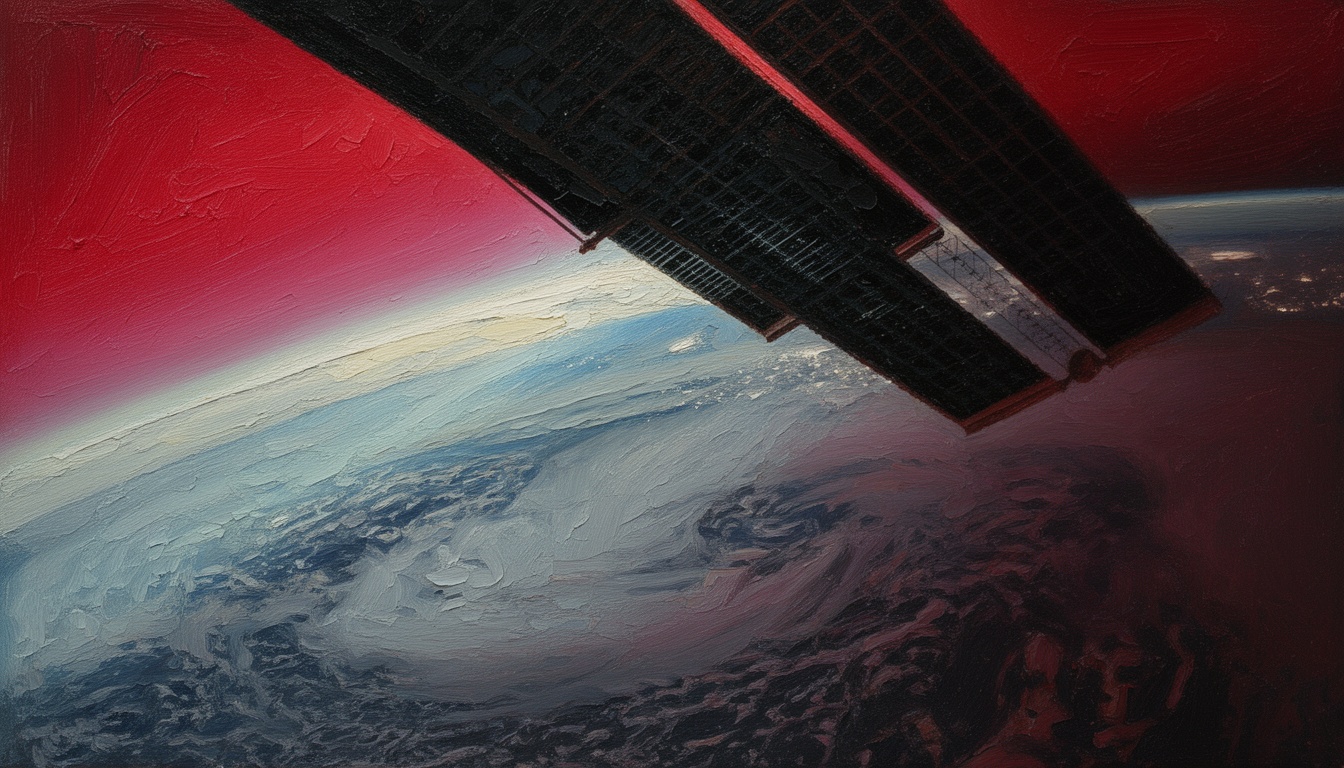
A team led by Chinese scientists has successfully developed an artificial intelligence (AI) system designed to detect space hurricanes, a meteorological phenomenon that occurs in the Earth’s upper atmosphere. These space hurricanes can significantly disrupt satellite signals, radar systems, and radio communications, posing a substantial risk to modern technology relying on these systems.
Historically, the identification and tracking of space hurricanes have been challenging. Detection efforts relied heavily on manual processes involving the laborious analysis of satellite imagery, which is not only time-consuming but also prone to human error. The newly developed AI system promises to revolutionize this process, streamlining detection and potentially saving valuable time in mitigating the impacts of space weather.
The significance of this technology extends beyond efficiency; it enhances the ability to predict and respond to space weather events effectively. As reliance on satellites continues to grow across industries, including telecommunications, navigation, and weather forecasting, the implications of accurate space weather tracking become increasingly critical. This AI-driven detection process could provide advanced warnings, thereby enhancing operational readiness for both government and commercial entities that rely heavily on satellite infrastructure.
The deep learning system developed by the team reportedly utilizes the analysis of ultraviolet emissions to identify and locate space hurricanes. By automating what was once a manual task, the system can operate continuously, offering real-time alerts and updates. The specific performance metrics, such as detection accuracy and processing speed, have yet to be disclosed, but early indications suggest significant advancements in operational capabilities.
Looking ahead, the deployment of this AI technology could lead to improved resilience against the adverse effects of space weather. As space exploration activities expand and the demand for robust satellite systems continues to rise, this innovation positions China at the forefront of space weather research, fostering greater international collaboration in monitoring and responding to these phenomena.