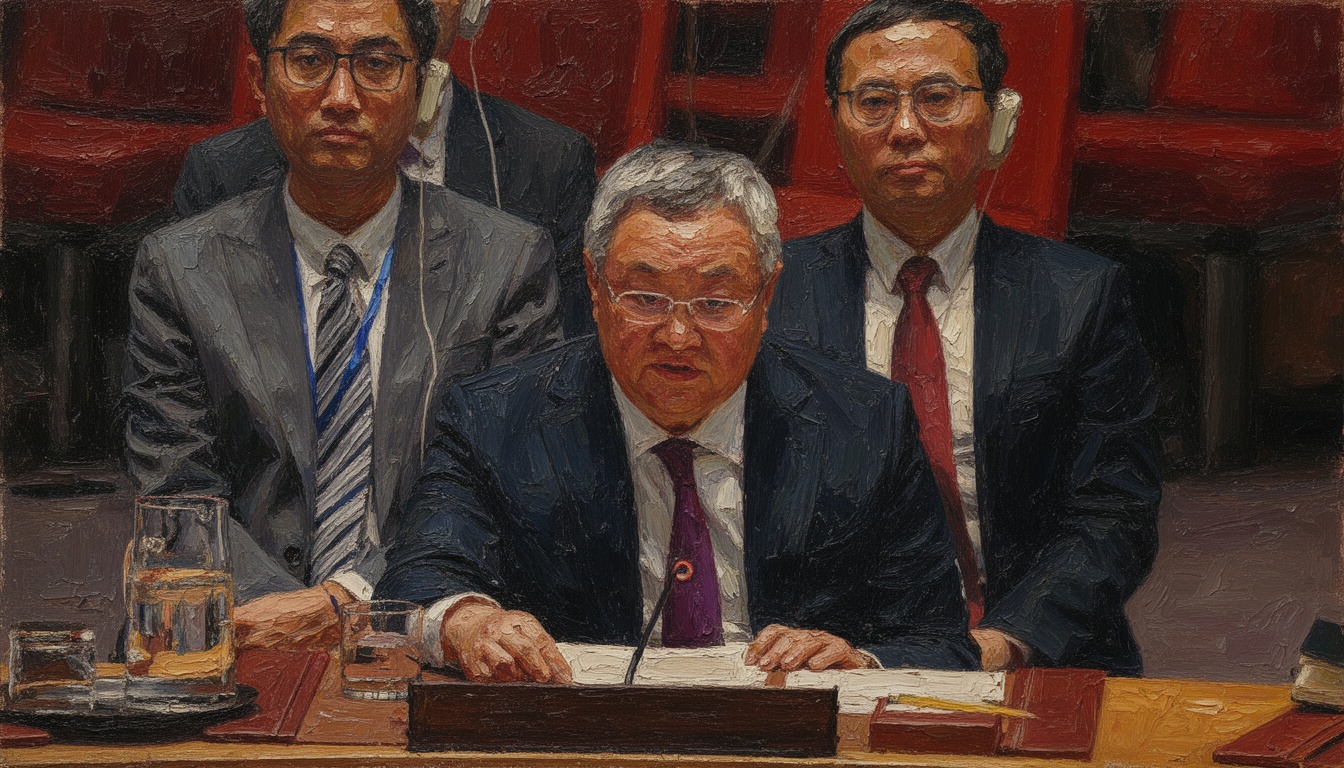
China Gains Strategic Advantage Without War
The shifting dynamics in international relations highlight China's strategic success in maintaining stability while major powers face domestic challenges. Russia's position diminishes, impacting its global influence.
Russian President Vladimir Putin's recent visit to Beijing marks a significant shift in geopolitical dynamics. Arriving in a considerably weaker position than four years prior, when he launched the invasion of Ukraine, this trip underscores Russia's diminished influence in Asia. With mounting pressures from the West and economic sanctions crippling its economy, Putin seeks to bolster ties with China amid ongoing Western isolation.
This development comes in stark contrast to former U.S. President Donald Trump's visit, which was filled with promises to pressure China into addressing perceived American interests. However, his administration faced criticism upon returning home for failing to secure meaningful commitments, particularly in persuading Beijing to leverage its influence over Iran. Trump's low approval ratings reflect the domestic challenges he faces, complicating U.S.-China relations further.
The implications of these visits extend beyond mere rhetoric; they reveal China's growing stature as a stabilizing power in Asia. By avoiding direct military engagement, Beijing consolidates its influence over regional geopolitics while major powers struggle with internal discord. China’s position becomes increasingly pivotal in mediating conflicts and fostering trade relationships without entangling itself in warfare.
Technically, Russia’s dependency on China for economic and strategic support is evident, with increased energy imports reported alongside military cooperation. Recent agreements indicate a solidifying partnership that could see China enhancing its military capabilities through joint exercises and technology exchanges. These developments suggest a potential shift in the regional balance of power, favoring Beijing's long-term objectives.
Looking ahead, the consequences of this shifting balance may lead to a reimagined security landscape in Asia. As China consolidates its ties with Russia while the latter’s global standing diminishes, it may influence how conflicts in Asia are approached. By leveraging its economic might and fostering strategic partnerships, China positions itself as a dominant player, forcing the West to reconsider its strategies toward a resurgent Asia.