China Introduces Legal Shield Against US Sanctions
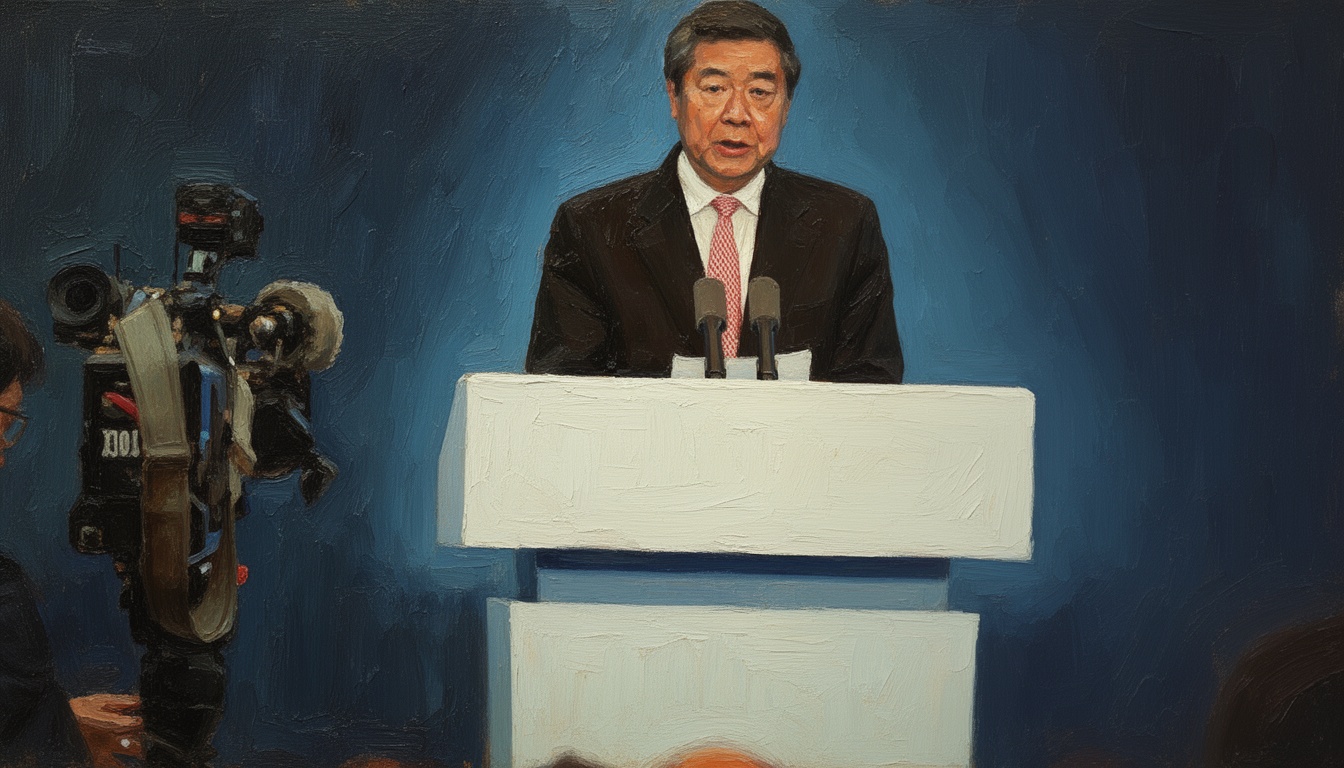
China's Vice-Premier He Lifeng announces plans to enhance legal defenses against unilateral sanctions. This move aims to protect China's financial system amidst escalating geopolitical tensions.
China's Vice-Premier He Lifeng announced on Wednesday at the Lujiazui Forum in Shanghai that the country intends to implement a new legal shield aimed at safeguarding its financial institutions and businesses from unilateral sanctions. He stated that Beijing will integrate blocking and countermeasure provisions into forthcoming financial legislation to strengthen its legal protections against what it deems improper extraterritorial actions.
The recent geopolitical landscape has increased tensions between China and the United States, particularly regarding economic measures. By enhancing its legal framework, Beijing seeks to shield its economy and maintain stability in the face of rising international pressures. This strategic development may also signal a shift in how China engages with foreign investments and trade.
Specifically, the legislation being prepared could provide businesses with legal recourse against sanctions imposed by foreign governments, particularly those of the US. As sanctions often target key sectors, such as technology and finance, the measures could empower Chinese companies to resist external economic pressures.
Operationally, the anticipated legal tools will likely include provisions aimed at nullifying the impact of foreign sanctions, allowing businesses operating within China to navigate international challenges more effectively. Establishing a robust legal framework will support China's long-term economic sustainability and enhance its competitive position in global markets.
In conclusion, the potential introduction of these legal measures could have significant implications for China's international economic relations. It reflects a proactive approach to safeguarding national interests and may lead to further tensions with nations employing sanctions as a geopolitical strategy.