China Mulls Space-Based Control System for High-Speed Rail
China is exploring new control systems for high-speed rail, raising cybersecurity concerns. The legacy of past accidents highlights the need for robust protections.
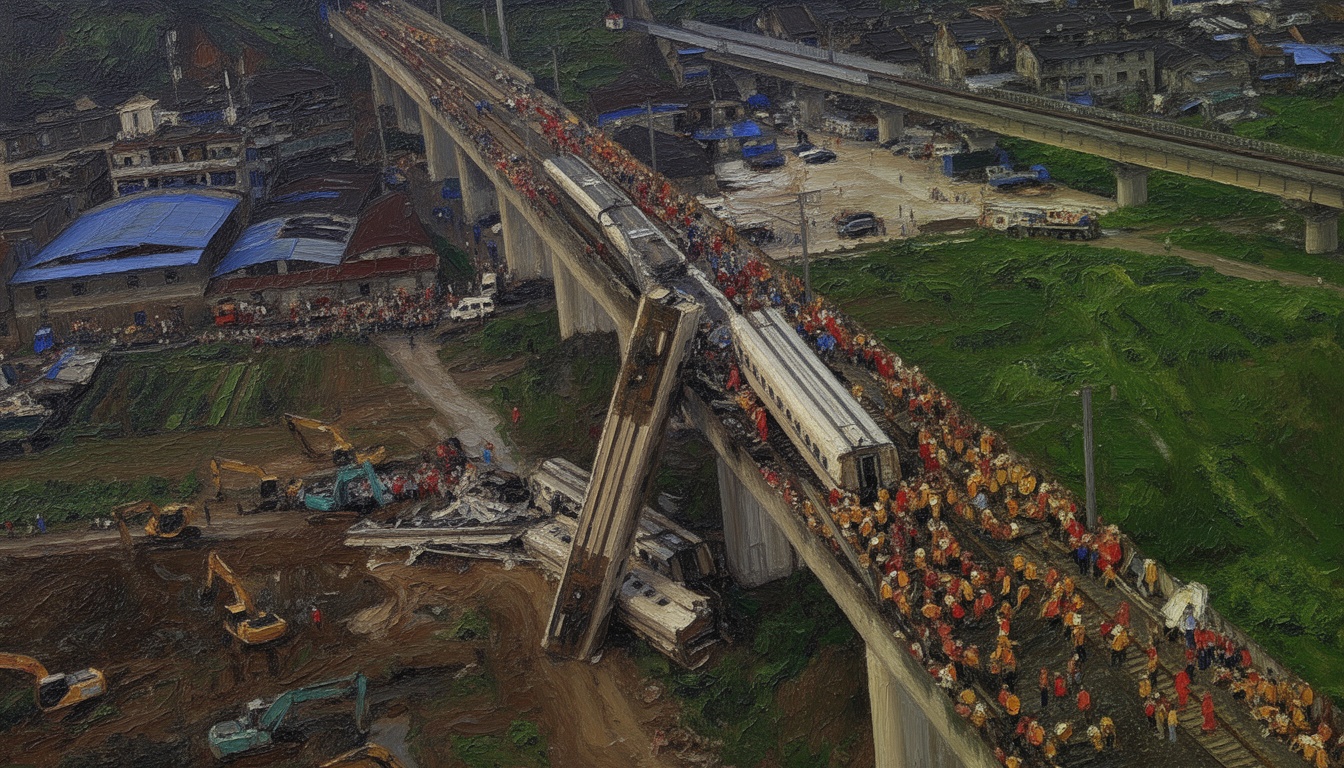
China is considering the development of a space-based control system for its high-speed rail network, following the tragic Wenzhou disaster in 2011, which claimed 40 lives and injured around 200. This incident was attributed to a lightning strike that disrupted a trackside circuit, rendering one train undetectable to operators and creating a fatal situation by allowing another train to proceed.
The 2011 incident revealed significant vulnerabilities in the control systems of China's high-speed trains, prompting officials to search for more advanced technological solutions. The proposed space-based system aims to enhance monitoring and operational control, potentially improving safety and efficiency for rail transport across vast distances.
Strategically, this initiative may provide China with a technological edge in rail transport, reinforcing its global competitiveness in infrastructure development. However, it also raises critical questions regarding cybersecurity, as reliance on a space-based system could present new vulnerabilities to hacking and interference.
Technical specifics remain unclear, though the proposed system would likely integrate satellite technology with traditional rail control mechanisms for real-time data and operational oversight. As the Chinese rail network continues to expand, currently spanning over 40,000 kilometers, the significance of a robust control mechanism cannot be overstated.
If implemented without sufficient cybersecurity measures, this advanced system may expose critical infrastructure to cyber threats, potentially endangering passenger safety and national security. As China moves forward, the focus must balance technological advancements with stringent safeguards against potential vulnerabilities.