China Proposes Nuclear-Powered Floating Island for Shipping
China's proposal for a nuclear-powered floating terminal could revolutionize global shipping logistics. The design aims to enhance container transfer efficiency and vessel charging capabilities.
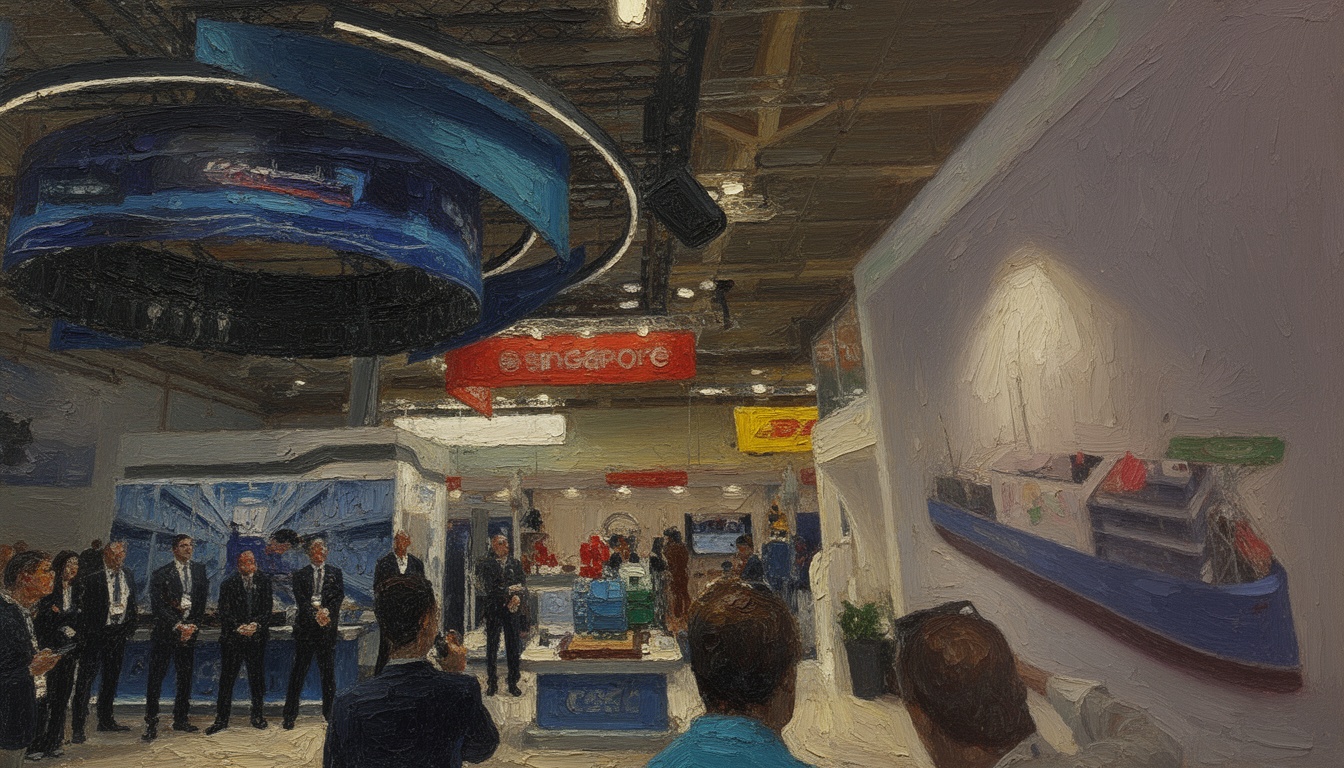
China has introduced a bold concept for a nuclear-powered floating island designed to act as a container transfer terminal and charging station for vessels. This innovative project aims to reshape global shipping and logistics by providing a versatile platform powered by advanced technology.
The floating terminal will utilize cutting-edge molten salt reactors. These reactors employ liquefied salt for both fuel and coolant purposes, allowing for the storage of massive amounts of thermal energy while operating independently of water sources for cooling needs. This could mark a significant advancement in the energy efficiency of maritime operations.
Developed by Jiangnan Shipyard, a subsidiary of the China State Shipbuilding Corporation, this floating island aims to improve the speed and reliability of container transfers. By integrating advanced energy solutions, it promises to facilitate seamless operations for numerous vessels in busy shipping lanes, enhancing shipping efficiency on a global scale.
The technical specifications revealed highlight the complex's capability to stand as a self-sufficient energy platform. This project positions China at the forefront of maritime innovation, potentially changing the dynamics of shipping logistics and energy consumption in the maritime industry.
If implemented, this floating nuclear island may lead to significant consequences for international trade. It could reduce dependency on traditional port infrastructure and improve turnaround times for vessels, ultimately lowering costs and increasing the competitiveness of shipping companies using this technology.