China Softens Rhetoric at Shangri-La Dialogue, Risks Remain
China's concerns over hegemonism highlight regional tensions affecting security dynamics. Major General Meng Xiangqing underscored the need for strategic stability amidst geopolitical pressures.
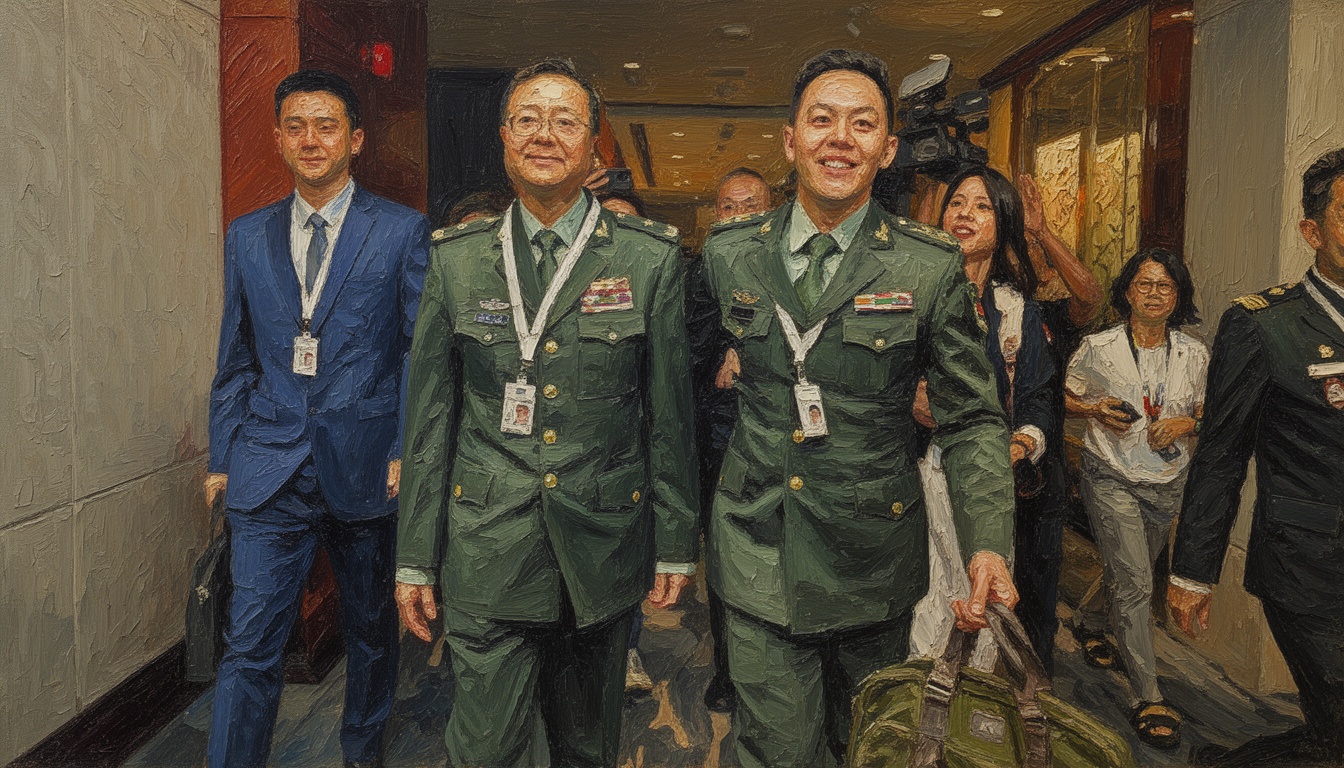
On Saturday, Major General Meng Xiangqing, head of the Chinese delegation at the Shangri-La Dialogue in Singapore, warned about the global challenges posed by 'hegemonism' and 'bloc confrontation' attributed to the actions of 'certain countries'. While he did not explicitly name the United States, the implication was clear within the context of the discussions.
The Shangri-La Dialogue, which serves as Asia’s premier security conference, is typically a platform for regional powers to outline their security concerns and policy directions. Meng's remarks were delivered during a special session focused on managing threats to strategic stability in the Asia-Pacific region, reflecting the urgent necessity for dialogue in times of escalating tensions.
Strategically, China's emphasis on hegemonism seeks to draw attention to perceived threats against its sovereignty and regional influence, amidst increasing military activities in the South China Sea and ongoing tensions with Taiwan. The dialogue illustrates the complex interplay of defense strategies among major powers in the Asia-Pacific, where military posturing often exacerbates fears of conflict.
The People's Liberation Army National Defence University professor articulated the need for collaborative efforts to uphold peace in the region, proposing that constructive engagement is essential to mitigate risks associated with competitive nationalism.
In the immediate future, the persistence of such geopolitical tensions will likely influence defense strategies in neighboring countries, potentially leading to an arms race or strengthened alliances. It is critical for regional actors to navigate these complexities carefully, promoting stability while addressing their national security interests.