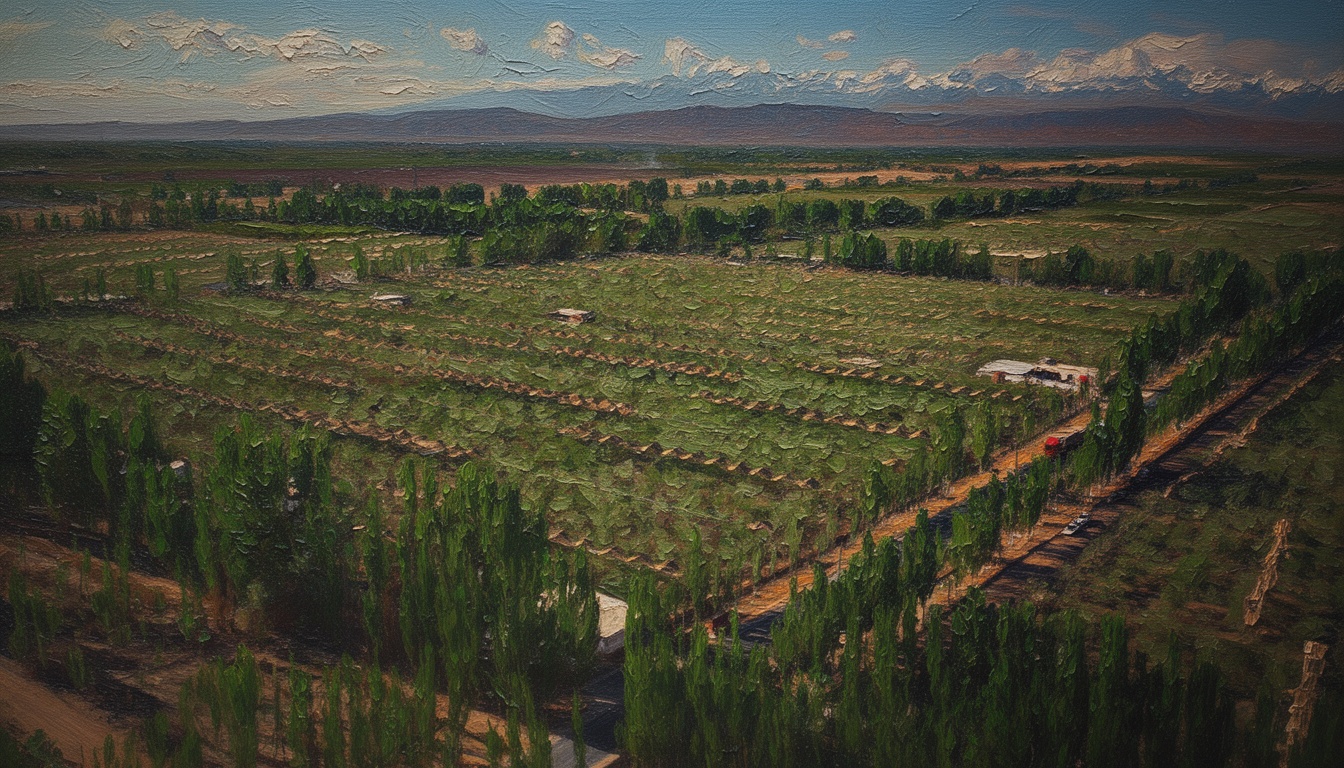
China Targets Desertification with Lunar Technology in Xinjiang
China's initiative to combat desertification in Xinjiang employs lunar-tested technology. This strategy aims to enhance food security in the region.
China has launched a comprehensive initiative against desertification in the western part of the Xinjiang Uygur autonomous region, utilizing technology that was previously tested on the far side of the moon. This offensive marks a significant step in the country's efforts to address environmental challenges and ensure food security for its population. The deployment of advanced technological solutions highlights China's increasing focus on leveraging scientific innovation for ecological restoration.
This new project series commenced last month at the Xinjiang Institute of Ecology and Geography (XIEG), part of the Chinese Academy of Sciences. Several key projects targeting sand control, desertification prevention, and the management of wind erosion and salinity have been initiated. These efforts aim to develop an ecological barrier that can effectively protect the region from the adverse effects of desertification, which poses a significant threat to agricultural productivity and ecological stability.
Strategically, this move underscores China's broader environmental policy initiatives and its commitment to transforming desert areas into arable land. The use of sophisticated technology, which has proven effective in lunar conditions, indicates a novel approach to terrestrial challenges. By investing in such innovative solutions, China aims to set a precedent in managing land degradation while ensuring sustainability and resilience against climate change.
The technological mechanisms introduced are expected to include advanced sensors and automated systems for monitoring environmental conditions, similar to those used in lunar exploration. The use of these technologies not only enhances operational efficiency but also provides real-time data crucial for decision-making processes regarding land management and rehabilitation efforts.
In conclusion, if successful, these projects could revolutionize how desertification is tackled in China and potentially become a model for other nations facing similar environmental issues. The initiative reflects a significant step forward in integrating cutting-edge technology into ecological restoration practices, which may lead to bolstered food security and sustainable development in the region.