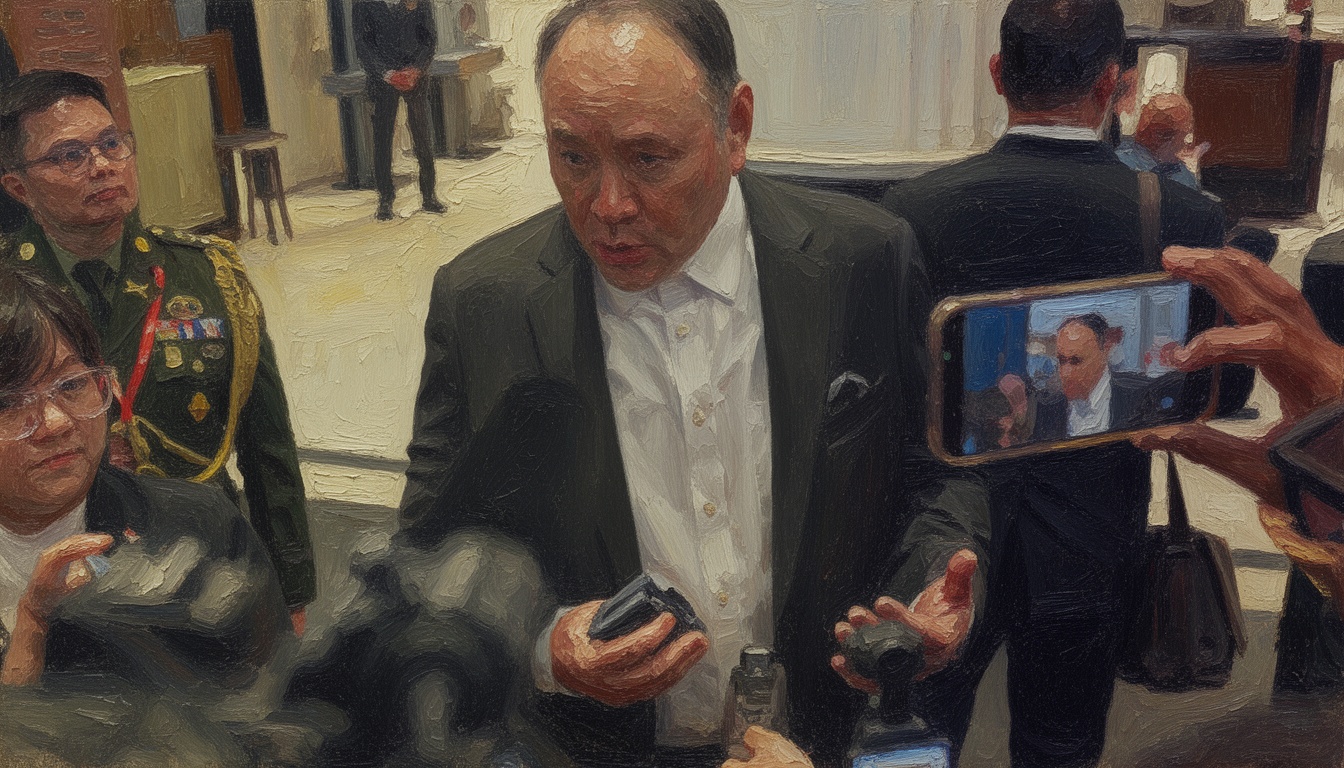
China's Ban on Philippine Defence Chief Signals Strong Warning
China's sanction on Defence Secretary Teodoro highlights escalating tensions with the Philippines. Analysts interpret this as a tactical warning to Manila's officials.
China has enacted a travel ban on Philippine Defence Secretary Gilberto Teodoro Jr. and his family, marking a significant escalation in the maritime tensions between Beijing and Manila. This decision could be interpreted as a direct warning to Filipino officials about the consequences of adopting a tougher stance against China, especially in light of Teodoro's recent criticisms of the Chinese government.
The ban follows Teodoro's vocal opposition to Chinese maritime activities in the South China Sea, particularly regarding the reported instances of Chinese vessels intruding into Philippine waters. This personal sanction not only seeks to undermine Teodoro's authority but also aims to intimidate other officials within the Philippine government who may consider similar criticism of China's assertive policies.
The strategic significance of this ban lies in its potential to reshape the Philippines' defence posture and diplomatic approach toward China. Analysts note that such actions might discourage Manila from pursuing a more confrontational stance in ongoing disputes regarding territorial waters, especially as they relate to Philippine interests in the South China Sea.
Details surrounding the sanctions include restrictions on Chinese entities and individuals from engaging in financial transactions with Teodoro's family. This reflects China's broader strategy to use economic leverage to influence the political decisions of its regional neighbors. It raises concerns about the implications for regional alliances and the potential need for the Philippines to strengthen its military partnerships elsewhere.
The forward assessment indicates that this escalation alters the footing of diplomatic talks between the Philippines and China. Potential repercussions may include increased military collaboration between the Philippines and its allies, as well as a reevaluation of engagement strategies within the context of ASEAN nations facing China's growing assertiveness in the region.