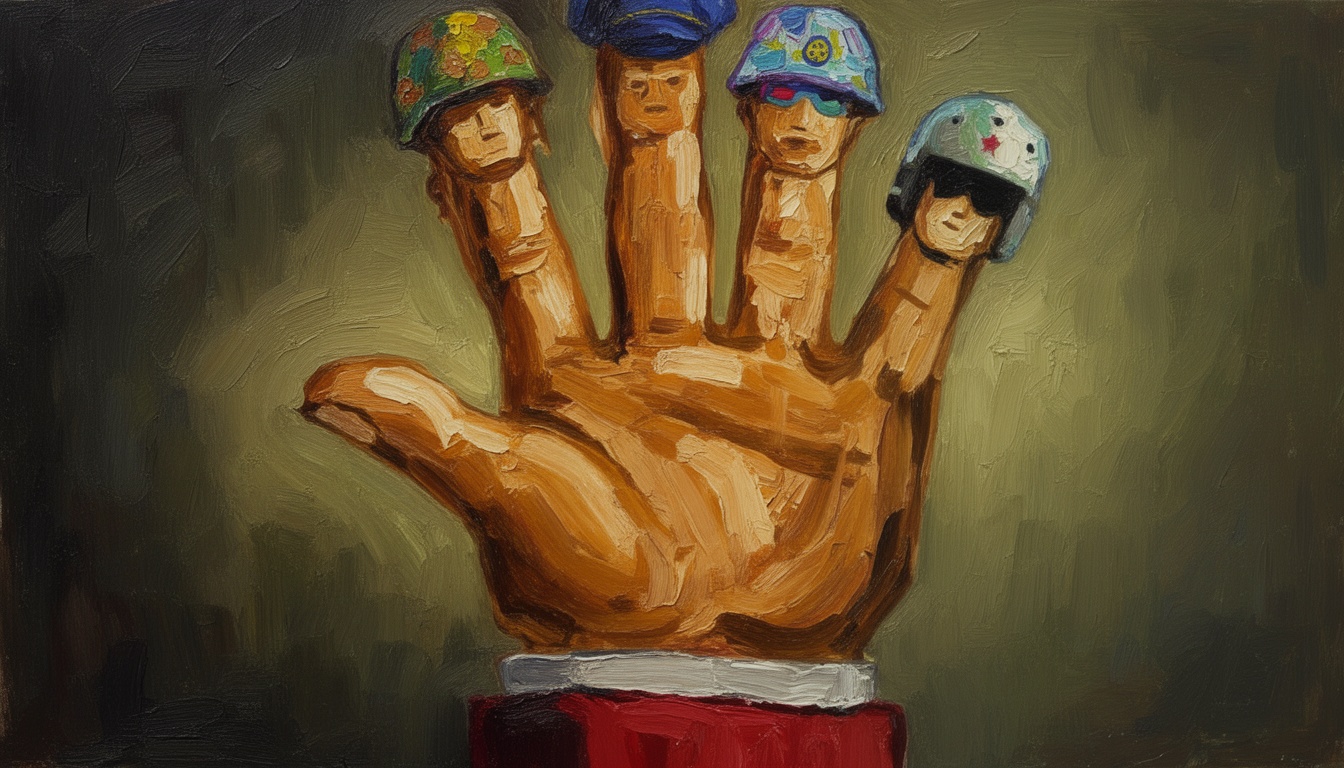
China’s Communist Party Reinforces Control Over Military Forces
The People's Liberation Army approaches its centenary in 2024, focusing on military strategy relevant to party control. Mao-era doctrines influence current policies while anti-corruption measures are implemented to uphold loyalty.
On August 1, 2023, the People's Liberation Army (PLA) celebrated its 99th anniversary, marking a crucial phase towards its centenary target set for 2024. The evolution of the PLA offers critical insights into the military strategy of China, reflecting deep historical ties to the Party since its inception. The ongoing emphasis on central control illustrates how the Communist Party of China (CPC) channels its historical legacy into modern military doctrines.
Founded during the turmoil of the late 1920s, the People's Liberation Army has maintained a close affiliation with the CPC, evolving alongside the party's strategic needs and ideological frameworks. Observers note that the influence of Mao Zedong's principles endures in today's military practices, with particular attention given to maintaining strict party oversight. Mao's strategies are revisited as the PLA prepares for future challenges, reinforcing the idea that control over the military is fundamental to the party's authority.
Strategically, the CPC's grip on the PLA is critical for internal stability and regional security dynamics. By implementing rigorous anti-corruption campaigns, Xi Jinping aims to eradicate dissent and ensure the loyalty of military leadership. The successful completion of these initiatives is perceived as essential to prevent any military insubordination, reinforcing the overarching narrative of Chinese national sovereignty against external threats.
Furthermore, the modernization of the PLA, including advances in technology and weaponry, underscores the Party's commitment to be a formidable military force. Investments in systems such as the DF-17 hypersonic missile and naval assets indicate an evolution in both tactics and capability, ensuring readiness against perceived adversaries, particularly in the Indo-Pacific region.
As the PLA approaches its centenary, the focus on maintaining absolute party control seems poised to continue. The trajectory of military evolution will likely shape future interactions between the CPC, the army, and the emerging geopolitical landscape, highlighting a balance not only between domestic governance and military efficacy but also between regional tensions and aspirations for lasting influence.