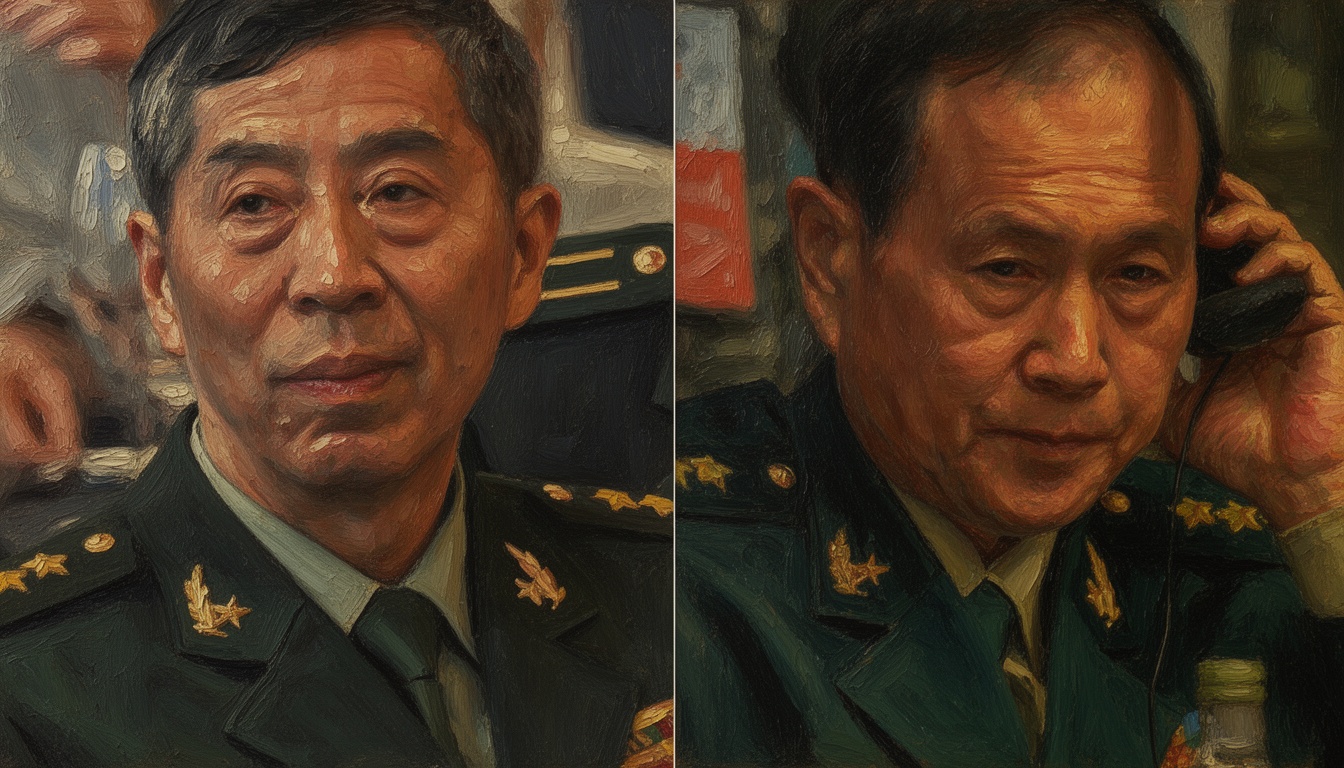
China’s Former Defense Chiefs Sentenced for Disloyalty
Beijing demonstrates zero tolerance for divided loyalties among military leaders. The PLA Daily’s commentary directly accuses Li Shangfu of disloyalty.
The Chinese Communist Party's recent actions against former defense ministers Wei Fenghe and Li Shangfu signal a stark message regarding loyalty and unity within the military ranks. Wei and Li received harsh sentences as part of a broader crackdown aimed at eliminating any fraction of disloyalty towards the party. This decisive action reflects the party's insistence on unwavering allegiance from its military leaders.
The commentary published in the PLA Daily represents the first occasion where an official state media outlet has directly labeled Li Shangfu as disloyal. The editorial indicates that the People's Liberation Army (PLA) will not tolerate any display of divided loyalties, stating, "The military wields the gun and there must be no one who harbors disloyalty to the party." This public condemnation illustrates the lengths that Beijing is willing to go to ensure compliance and consolidate authority within its defense establishment.
This development carries significant strategic implications, as it underscores the Chinese leadership's commitment to maintaining strict control over the military apparatus amidst heightened geopolitical tensions. The firm stance against perceived disloyalty may foster an environment of fear, forcing military leaders to adhere closely to party doctrine, avoiding any potential dissent or independent thought that could undermine the party's authority.
Operationally, this situation points to an ongoing effort to reinforce discipline and loyalty within the ranks of the PLA. The insistence on loyalty at such a high level suggests that the party is keenly aware of the need for absolute unity in the face of emerging threats, both from within and outside China’s borders. Such a climate may impact decision-making processes as leaders will likely prioritize party interests over personal or regional considerations.
The consequences of this policy of intolerance could be profound. By sending a clear message against disloyalty, the Chinese Communist Party aims to strengthen its hold over the military and ensure there are no challenges to its authority. The strict repercussions for former leaders may dissuade future military personnel from pursuing any independent actions that could lead to dissent or discord within the ranks, ultimately reinforcing the party's position in an ever-changing security landscape.