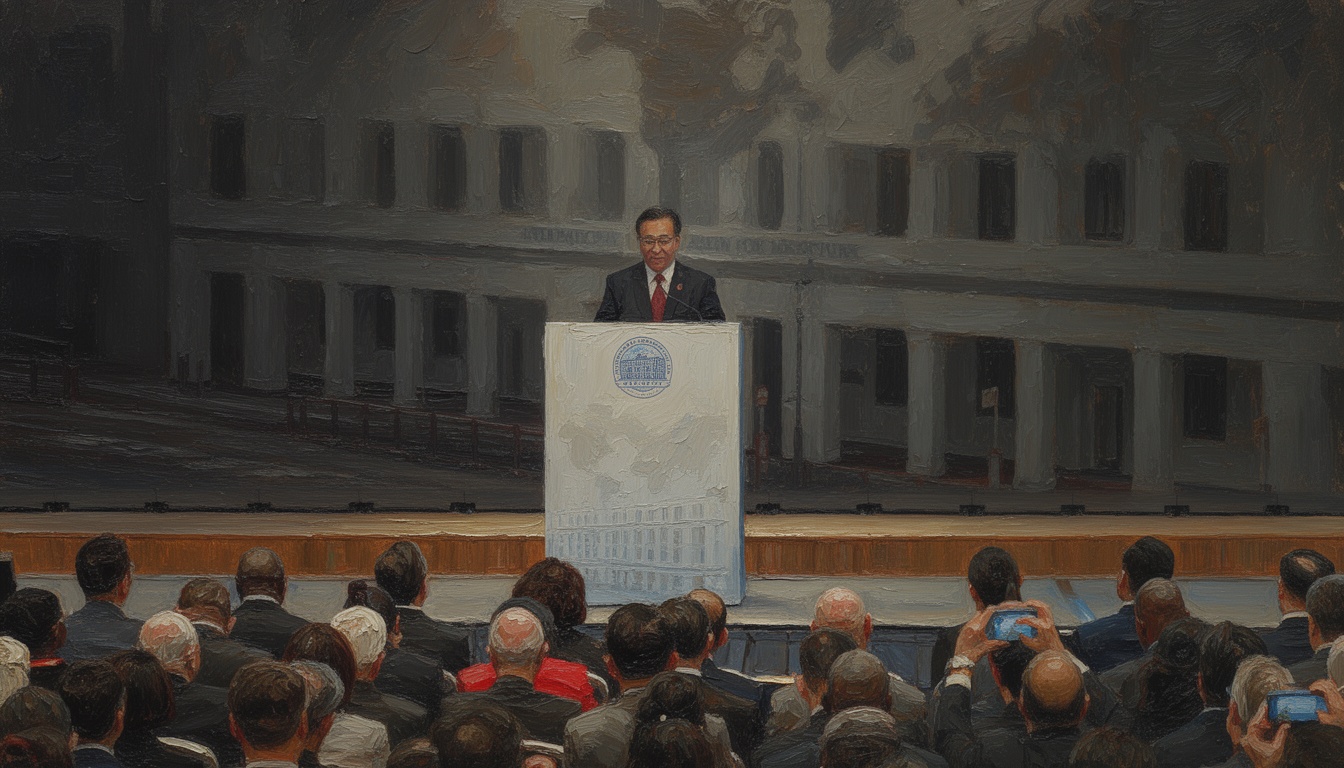
China's Mediation Body Gains Traction Amidst Western Influence Decline
China's new mediation efforts are rising as US-Iran negotiations stall, presenting an alternative approach to conflict resolution.
China is reportedly making strides with its newly established mediation body, which aims to bring together nations to resolve regional conflicts. As US-Iran peace talks have stalled, more countries are considering China's proposal for mediation, highlighting a shift in the diplomatic landscape. Chinese officials, including Cui Jianchun, a commissioner of the Ministry of Foreign Affairs in Hong Kong, advocate for mediation as a means to respect the autonomy of disputing parties. This could potentially redefine international mediation norms, especially as Western influence seems to diminish.
The push for mediation comes at a critical time when traditional Western brokers face setbacks in several geopolitical arenas, particularly in the Middle East. Cui noted that the essence of mediation lies in its ability to honor the will of the involved parties, which he described as its ‘unique charm’. The growing interest in China’s mediation initiatives suggests that international actors are actively seeking alternatives to Western-led frameworks.
Strategically, China’s mediation body could position the country as a key player in international conflict resolution, thus enhancing its soft power. This development could tilt the balance of global diplomacy in favor of Beijing, elevating its status among emerging and developing nations. Analysts have pointed out that as the West grapples with its internal issues, China’s proactive stance could solidify its role as an influential mediator.
Operationally, China's mediation body may leverage its strong economic ties with various countries to foster trust and cooperation among disputing parties. The government has outlined intentions to invite more nations to participate in this initiative, potentially expanding its influence across multiple regions. This approach could also involve utilizing platforms that emphasize regional stability and mutual respect, which are increasingly appealing to nations wary of Western intervention.
Moving forward, the prospects for China’s mediation body appear promising as countries seek viable alternatives for conflict resolution. If successful, this initiative could not only redefine China’s diplomatic strategy but also reshape the broader international mediation landscape, diminishing Western dominance in global negotiations.