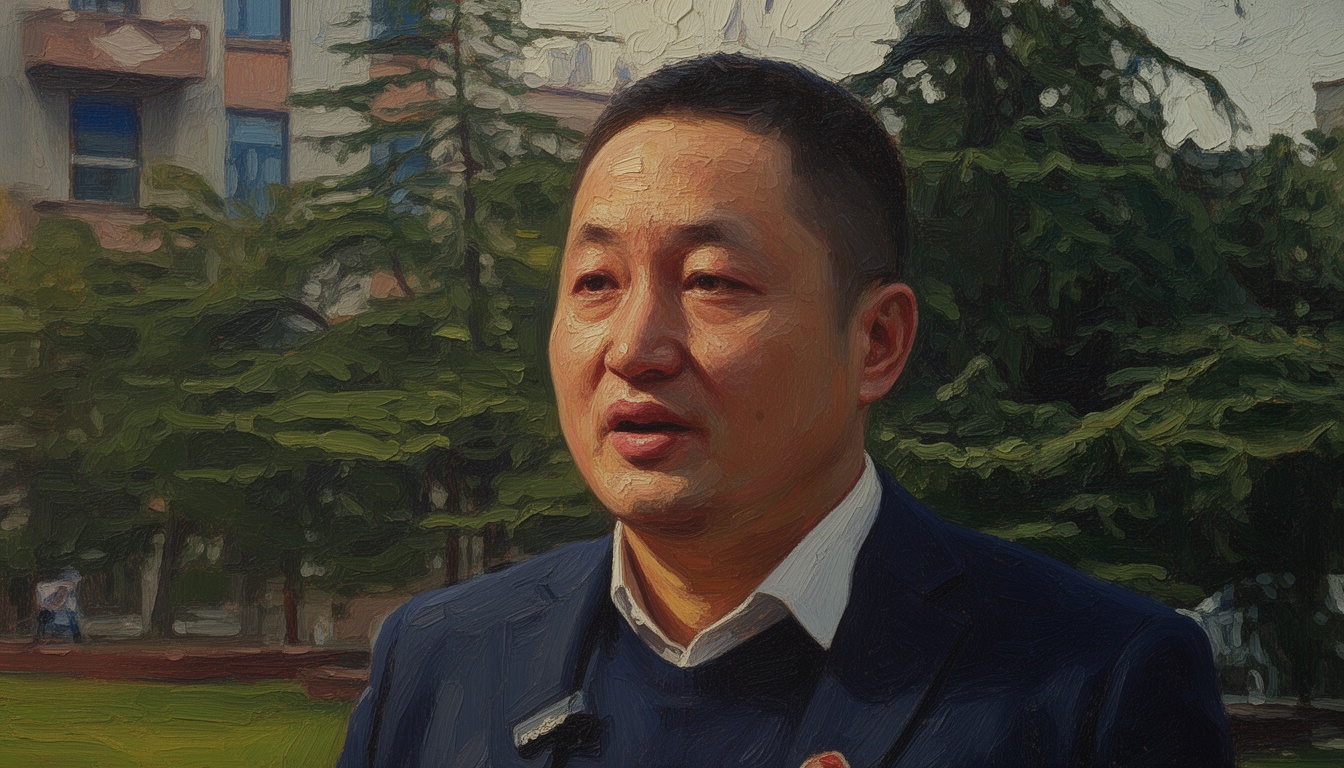
China's Top Remote Sensing Expert Ke Tao Dies at 48
The death of Ke Tao highlights the loss of expertise in China's defense technology sector. His contributions to remote sensing bolster the country's defense capabilities.
Ke Tao, a renowned remote sensing expert in China, passed away at the age of 48 due to illness on Wednesday. His passing was confirmed by an obituary issued by Wuhan University, where he was a professor at the School of Remote Sensing and Information Engineering. The obituary, released on Thursday, noted his remarkable contributions to national defense science and technology and remote sensing mapping.
Ke Tao had a distinguished academic career, completing his undergraduate, master's, and doctoral degrees at Wuhan University. He joined the faculty in 2008, where he became a significant figure in the development of remote sensing technologies. His research focused on advancing capabilities crucial for China's defense applications, emphasizing the importance of technological advancement in China’s national security.
The strategic significance of remote sensing technology cannot be understated, as it underpins intelligence gathering, reconnaissance, and surveillance, critical facets of modern military operations. Ke's work contributed to enhancing China's ability to monitor developments in surrounding regions, thereby fortifying its defense capabilities.
Specific projects led by Ke Tao have advanced the understanding of satellite imaging and geospatial data analysis, essential for both civilian and defense applications. His expertise in developing remote sensing mapping techniques positioned him as a leading figure in improving China’s situational awareness on various fronts, including military and environmental intelligence.
The death of Ke Tao represents a substantial loss for China's scientific community and military R&D efforts. His legacy includes a generation of scholars and researchers inspired by his work, and his passing may impact the advancement of remote sensing techniques that are increasingly vital in geopolitical contexts. China's national defense sector will need to fill the gap left by his withdrawal, emphasizing the importance of nurturing talent in this crucial area.