China's Warning: Retaliation Possible Over US Visa Changes
China has condemned new US visa restrictions as discriminatory, threatening reciprocal actions. The measures could affect Chinese students and journalists significantly.
China issued a stern warning on Friday regarding the new US visa regulations that it deemed discriminatory against certain groups, particularly students and journalists. It stated that the country reserves the right to implement countermeasures in response to these restrictions. This reaction highlights the rising tensions between the two nations amidst broader diplomatic challenges.
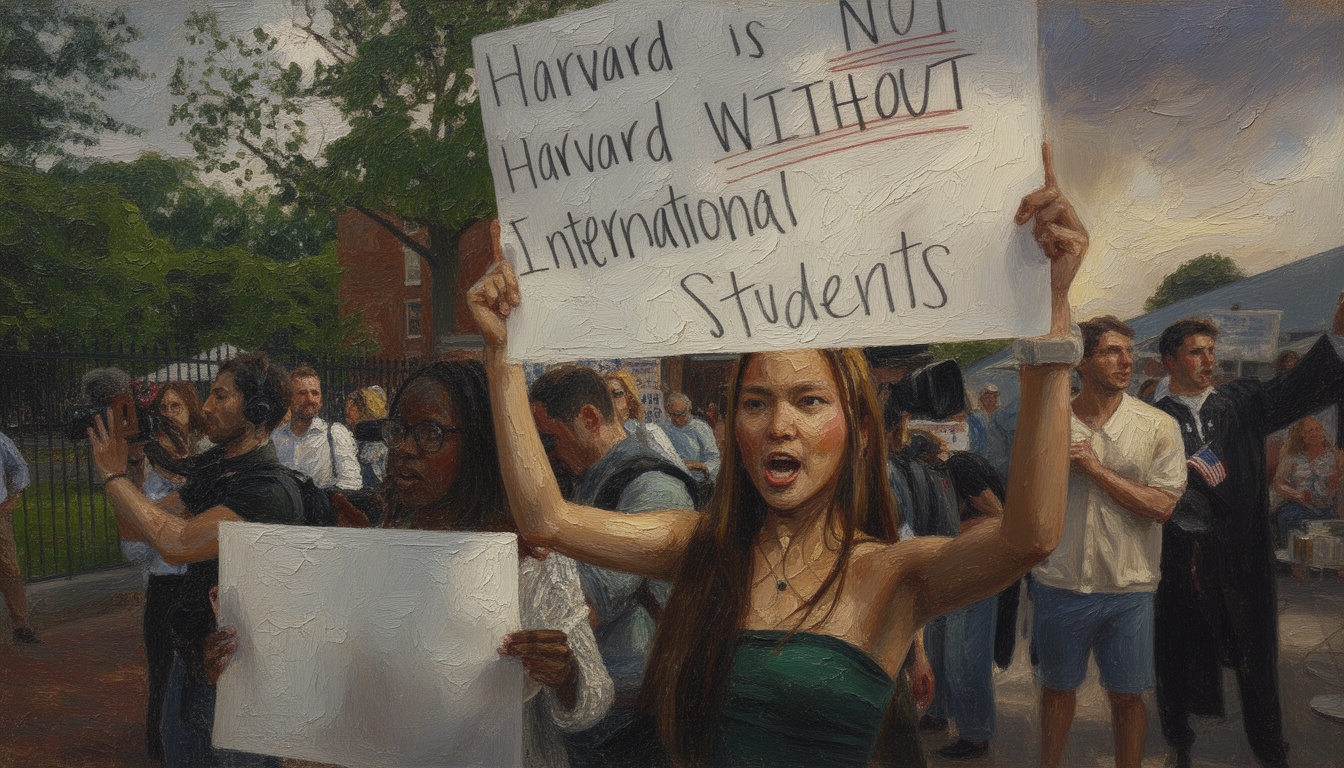
The US Department of Homeland Security announced these visa changes on Thursday, which are part of a larger crackdown on both legal and illegal immigration. This policy shift has raised alarm among Chinese students who are currently studying in the US, as well as those planning to pursue their education there. Concerns over the potential impact on academic opportunities and freedom of movement have intensified.
This development adds another layer to the already complex relationship between the United States and China. The discriminatory nature of these visa regulations, as perceived by Chinese authorities, may further strain diplomatic ties and provoke a tit-for-tat escalation. Experts suggest that such policies could deepen existing hostilities, impacting collaboration in education and research fields.
The new visa framework is expected to include restrictions affecting various categories of students and journalists, raising fears about the future of academic exchanges and the flow of talent between the two countries. As these tensions unfold, the international community will be closely monitoring the potential for reciprocal measures from Beijing.
If China follows through on its threats, these countermeasures could lead to increased restrictions on US citizens in China or impacts on Chinese nationals studying abroad. The long-term consequences of this diplomatic clash remain uncertain, with potential implications for global collaboration in education and research sectors.