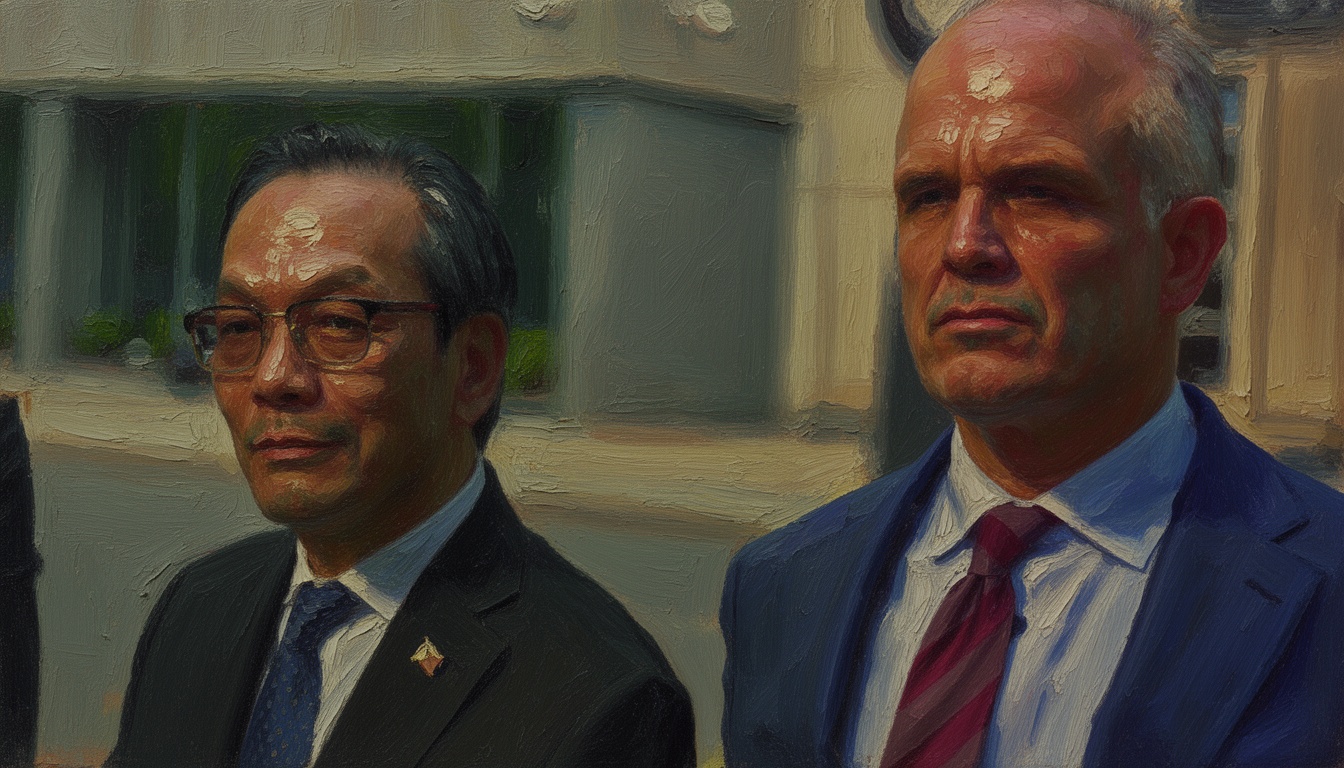
Chinese-American Guilty in New York 'Overseas Police Station' Case
The conviction highlights Beijing's efforts to exert influence abroad.
In a significant ruling, Lu "Harry" Jianwang, a 64-year-old Chinese-American, was found guilty by the US Eastern District Court of New York for acting as an agent for the Chinese government. This case revolved around a Chinese police station allegedly established in New York's Chinatown, a move that prosecutors argue underscores Beijing's attempts to intimidate Chinese expatriates. The trial, which lasted a week, was viewed as a litmus test for Washington's effectiveness in countering China's overseas influence operations.
Lu was found guilty on three charges, marking a rare legal consequence in the US for those accused of facilitating Beijing's policing actions abroad. Authorities expressed concerns that such operations are intended to suppress dissent among Chinese communities worldwide and to exert control over individuals who may criticize the Chinese government from afar. Prosecutors detailed the ways in which Lu aided this illicit operation, emphasizing that his actions posed a threat to the safety and autonomy of Chinese-Americans.
The strategic significance of this trial is considerable as it reflects a growing tension between the US and China, particularly regarding sovereignty and foreign influence. The establishment of these so-called 'overseas police stations' has raised alarm among human rights advocates and lawmakers who fear it could lead to extraterritorial policing practices that undermine the legal systems in host countries. Prosecutors have called this case a wake-up call for officials to take seriously the security threats posed by foreign agents.
The operational details surrounding the police station highlight a repressive strategy utilized by the Chinese Communist Party, which allegedly employs overseas facilities to monitor, harass, and even intimidate dissidents. Authorities claimed that Lu's actions were part of a broader network of influence that extends beyond US borders, potentially involving financial resources and logistical support from Beijing itself. This raises questions about the implications for other nations facing similar pressures.
Looking ahead, the conviction could prompt a reevaluation of how foreign influence operations are handled in the US and strengthen calls for legislative action to counter such incursions. Authorities may further investigate the extent of activities linked to such overseas police stations and their impact on the rights of diasporic communities. This case serves as a precedent for how the US may handle future incidents involving foreign agents operating domestically under the guise of law enforcement.