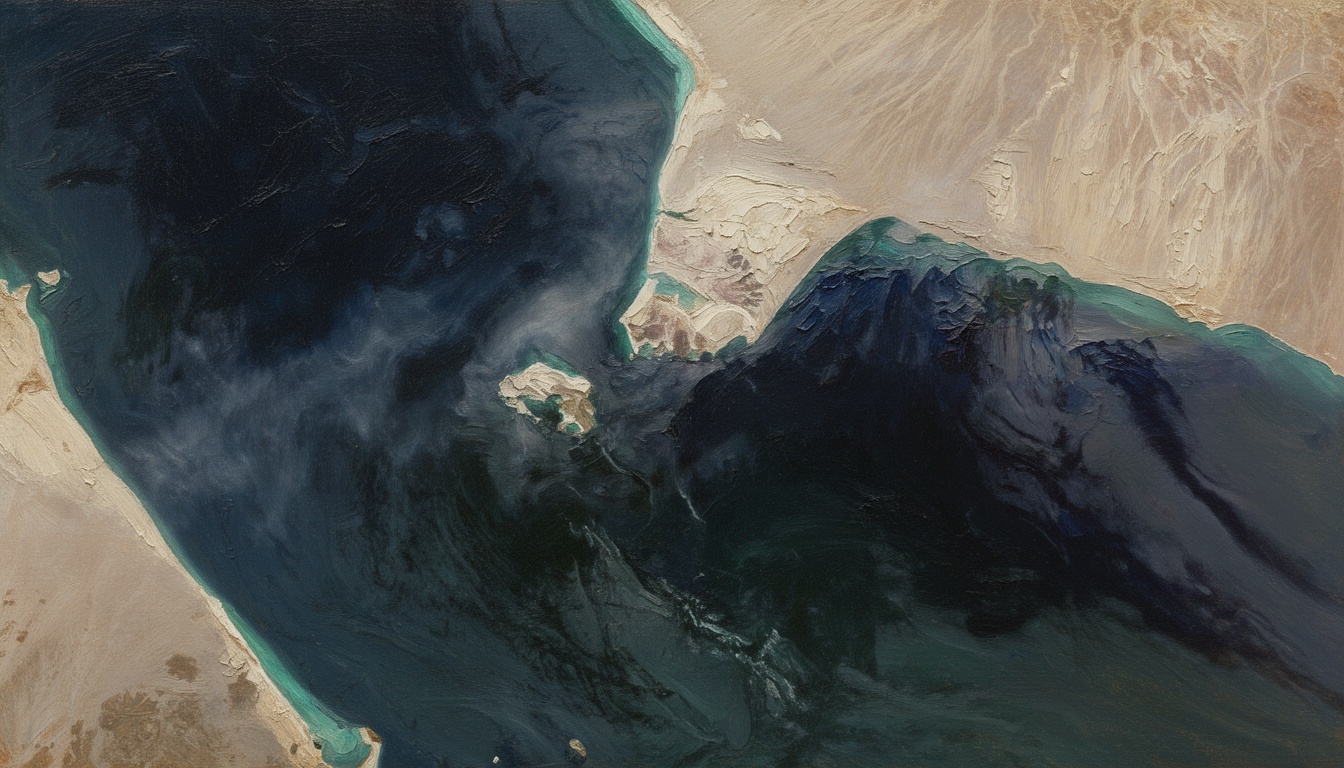
Chinese Tanker Passes Red Sea Despite Houthi Blockade
The Houthis' limited blockade allows certain ships, including Chinese tankers, to pass the Bab al-Mandab Strait. This development reflects ongoing tensions in the Red Sea region and implications for international shipping routes.
The Houthi militia in Yemen has allowed some vessels to transit the Bab al-Mandab Strait, which connects the Red Sea to the Gulf of Aden, despite their blockade aimed at Saudi Arabia. This information comes from experts citing recent developments. The blockade has significantly impacted shipping lanes, but certain exceptions are being made, indicating a possible tactical approach by the Houthis.
On Thursday, Lloyd’s List reported that while the Houthi blockade remains largely in effect, permission was granted for the Chinese oil tanker, Cosco Shipping’s VLCC Xin Long Yang, to navigate through this critical maritime route. This event highlights the complexities of maritime operations in the region amidst ongoing conflicts, particularly the tensions surrounding Iran's influence and the role of proxy forces in the area.
Strategically, the Red Sea serves as a vital artery for global trade, and the Bab al-Mandab Strait functions as a choke point for shipping traffic. The Houthis' control of this passage poses a significant challenge to maritime security. The ability for certain tankers, particularly those carrying vital resources from Saudi Arabia, to negotiate passage could have ramifications for energy supply chains and price stability in global markets.
Technical specifications indicate that the VLCC Xin Long Yang is a Very Large Crude Carrier, part of a fleet operated by Cosco Shipping, which has substantial capabilities in marine transportation. The vessel's ability to pass through the strait reinforces the importance of negotiating safe passage in turbulent regions to ensure uninterrupted energy supplies for major economies reliant on Middle Eastern crude oil.
The implications of this development are multifaceted. If the Houthis continue to selectively allow ships to pass, it could signal a shift in their blockade strategy, potentially easing tensions in the Red Sea. However, this must be monitored closely, as it could impact the future dynamics of maritime engagements, the policies of regional powers, and international responses to threats against shipping routes in this strategically significant area.