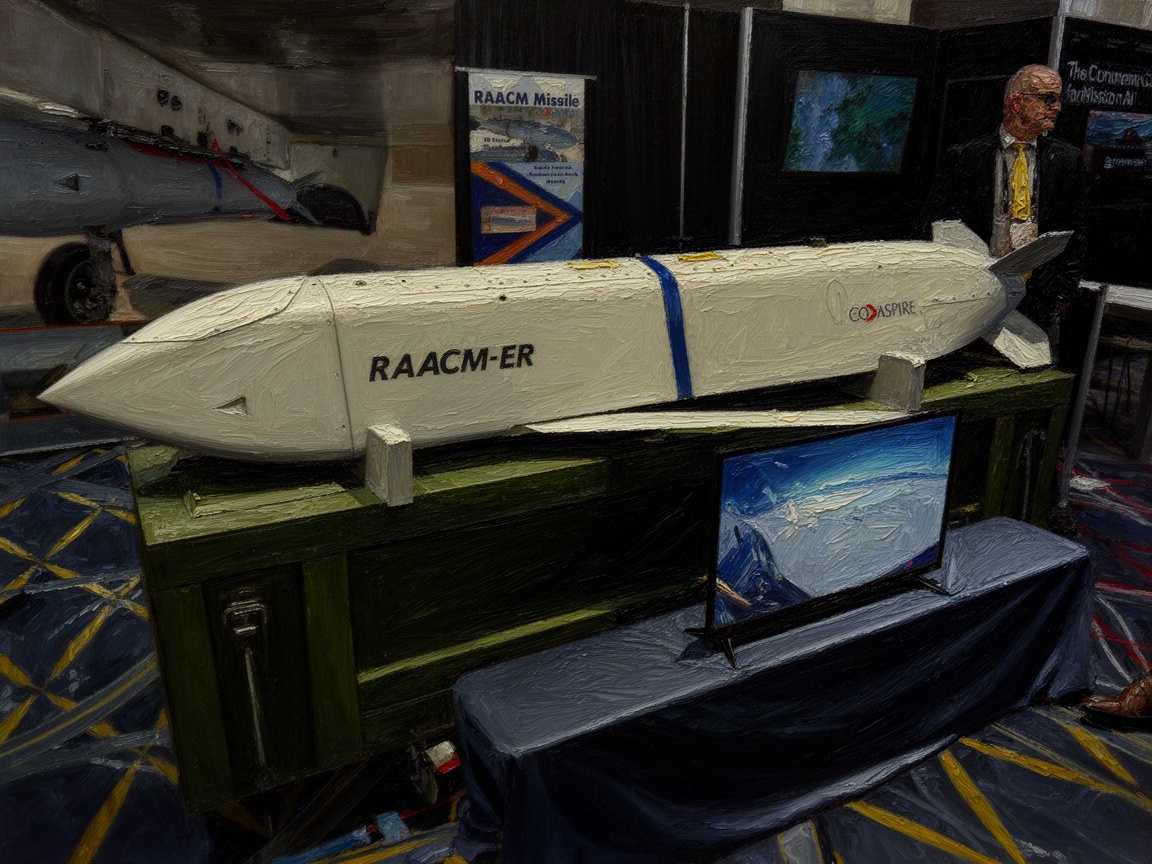
CoAspire Unveils Extended-Range Missile for Naval Warfare
CoAspire's new missile offers versatile launch options for maritime strikes.
CoAspire has unveiled a new extended-range missile designed for naval warfare, optimized for surface, aerial, and submarine launch platforms. This missile is touted as cost-effective and easy to produce, aligning with emerging needs in maritime strike capabilities. Its design aims to enhance the lethality of naval forces amid evolving maritime threats.
The introduction of this missile comes during the Navy League’s Sea-Air-Space 2026 conference, where industry leaders gather to discuss the latest advancements in defense technologies. CoAspire's CEO, Doug Denneny, highlighted the missile’s adaptability for anti-ship missions, reflecting a significant shift towards improving naval strike options amidst intensifying regional conflicts. This revelation taps into the growing demand for versatile weapon systems in modern naval operations.
Strategically, the development of this missile is significant as global maritime operations face increasing threats from adversary fleets and anti-access/area denial (A2/AD) strategies. With enhanced strike capabilities, navies can potentially deter or counter aggressive postures by rival states, redefining naval engagements in contested waters. As nations invest in advanced naval assets, the introduction of cost-effective, technologically advanced missiles may adjust the balance of power at sea.
Operationally, the missile's potential deployment from varied platforms—surface ships, aircraft, and submarines—allows for flexibility in military strategies. This multi-launch capability could enable forces to surprise and overwhelm enemy defenses, increasing the chances of successful engagements. The missile's range and accuracy are anticipated to be critical attributes in executing strategic objectives during conflicts.
In conclusion, the arrival of CoAspire's extended-range missile marks a potential transformation in naval warfare, emphasizing the necessity for advanced capabilities in maritime confrontations. Its operational integration could significantly enhance the military effectiveness of navies worldwide, prompting rival nations to reevaluate their defense strategies and prioritize similar developments in their arsenals.