Concerns Rise Over Iran's Potential Use of Marine Mammals
The question of Iran deploying marine mammals for military purposes raises significant security implications in the Strait of Hormuz. The use of animals in military operations could alter conflict dynamics.
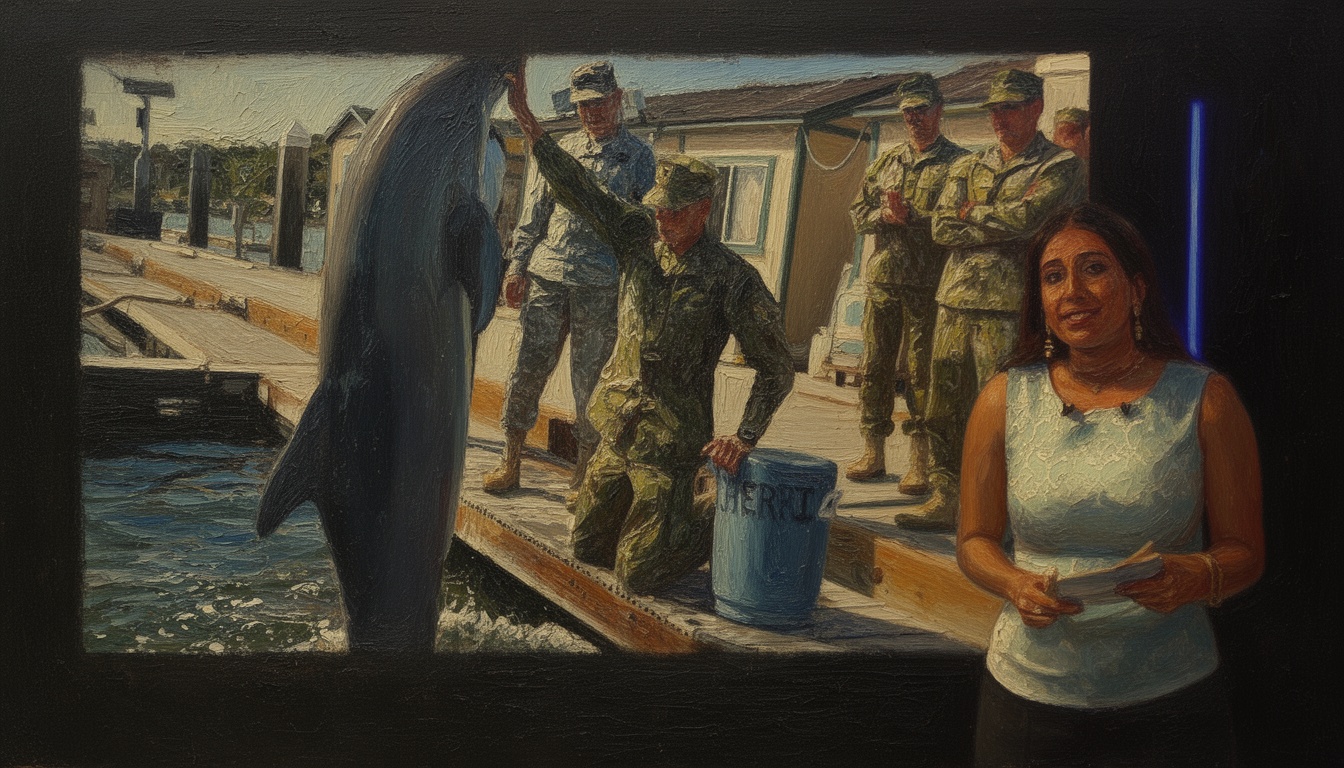
A Pentagon briefing this week saw an unusual inquiry regarding Iran's military capabilities, specifically the potential deployment of marine mammals against US naval forces. A journalist posed the question about the feasibility of Tehran utilizing 'kamikaze dolphins' to target US warships operating in the strategic Strait of Hormuz.
This question reflects the escalating tensions between the United States and Iran in the region, particularly as US naval presence intensifies in response to perceived threats from Iranian forces. The Strait of Hormuz is a vital corridor for global oil supply, making it a focal point for military maneuvers and a potential flashpoint for conflict.
Historically, various nations have explored the use of marine mammals in military contexts. The Soviet Union, for instance, trained dolphins for mine detection and surveillance, showcasing that using animals in combat scenarios is not without precedent. This raises questions about the ethical implications of employing such tactics and the potential for escalation in conflicts where human lives are at stake.
Iran’s increased focus on unconventional military strategies could signal a shift in its defense posture, leveraging non-traditional assets to counteract US naval superiority. The intersection of military strategy and biology exemplifies a unique challenge for Western defense planners, necessitating an assessment of evolving threats.
As tensions continue to mount in the region, the prospect of unconventional attacks could destabilize existing military dynamics and provoke heightened responses. The international community must remain vigilant in monitoring Iran's military developments, particularly any strategies involving marine animals, which could introduce new variables in already complex geopolitical landscapes.