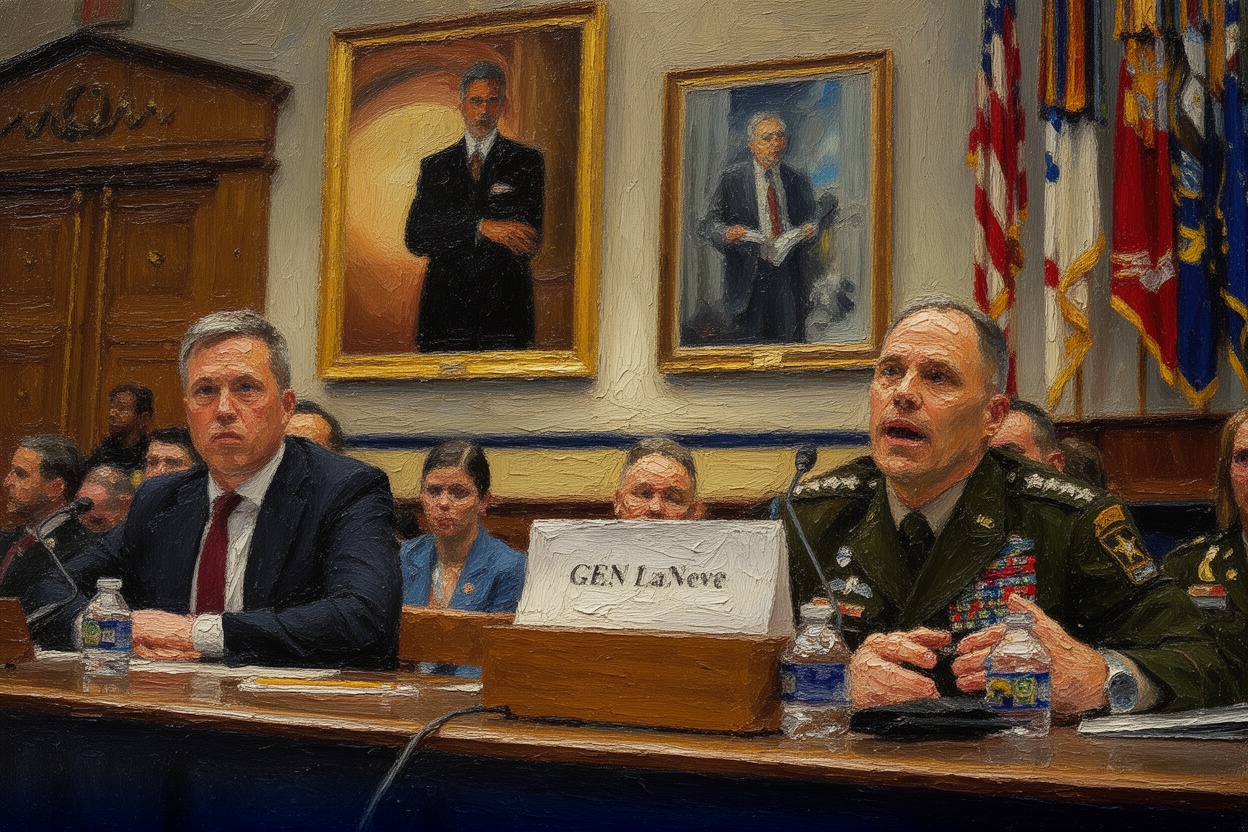
Congress Fights Pentagon over Civilian Harm Reduction Program
U.S. lawmakers challenge Pentagon's commitment to protecting civilians in combat. This dispute highlights tensions in defense policy priorities.
Members of the United States Congress expressed strong opposition recently against actions taken by the Pentagon regarding a program dedicated to reducing civilian harm during military engagements. Lawmakers accused the Department of Defense of undermining a congressionally mandated initiative aimed at enhancing the protection of non-combatants in conflict zones. This conflict underscores ongoing debates about military strategy and its impact on civilian populations.
The program in question was designed to implement measures that would ensure military operations are conducted with greater awareness of civilian safety, particularly in regions heavily populated by non-combatants. Critics within Congress argue that the Pentagon's proposed budget cuts could lead to an increase in civilian casualties, which contradicts the stated goals of the initiative. The importance of protecting civilians has become a focal point for lawmakers from both parties, reflecting a growing concern about ethical military practices.
Strategically, this situation could have broader implications for U.S. military operations and its global image. As the international community increasingly scrutinizes military actions and their humanitarian consequences, U.S. defense policy may face additional pressure to prioritize civilian safety. The effectiveness and credibility of military operations can be significantly impacted by perceptions of how civilian risks are managed.
Current discussions reveal a rift between the Pentagon's operational focus and legislative priorities regarding civilian harm. Pentagon officials emphasize the need for flexible military operations, while lawmakers stress the moral responsibility to minimize harm to civilians. This disagreement highlights the challenge of balancing military effectiveness with humanitarian considerations in modern warfare.
Moving forward, this clash could lead to a reevaluation of policy frameworks governing military engagements. If Congress ultimately imposes stricter mandates on civilian protection efforts, the Pentagon may need to adapt its strategies and resource allocations accordingly. The resolution of this issue will be crucial in shaping not only U.S. military doctrine but also its reputation on the global stage.