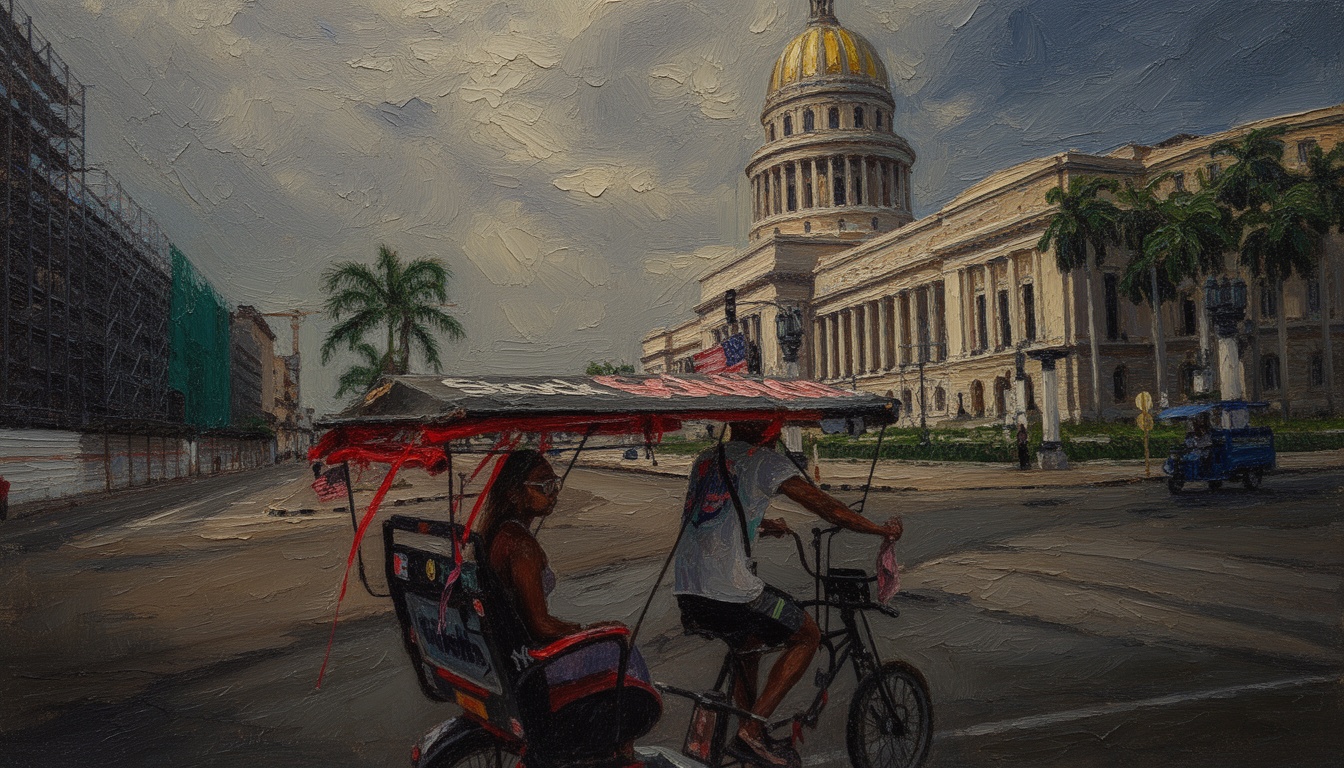
Cuba's Tourism Sector Faces Total Paralysis Due to Sanctions
Cuba's tourism industry is collapsing, with 75% of hotels closed. The economic implications are severe, impacting thousands of jobs and foreign currency earnings.
Cuba's Prime Minister Manuel Marrero announced on Wednesday that nearly three-quarters of the island's hotels have closed, leading to what he termed “almost total paralysis” of the tourism sector. This severe downturn has been attributed largely to U.S. sanctions and a critical shortage of fuel.
For the first time, Marrero detailed the extent of the crisis, revealing that seven international hotel chains, responsible for approximately half of Cuba's hotel capacity, have exited the island. Their departure underscores the mass exodus of foreign investment and tourism revenue that has historically supported the Cuban economy.
The strategic significance of this development cannot be understated. Tourism has been Cuba’s second-largest source of foreign currency earnings, critical for the island’s economic stability. The loss of this revenue stream not only limits the government’s fiscal options but also threatens the livelihoods of more than 300,000 workers employed in the sector.
With fuel shortages exacerbating the situation, the transport sector critical for tourism is also at risk. The lack of resources impacts both the movement of tourists and local economic activity, creating a vicious cycle that could lead to further closures and unemployment.
Looking ahead, the potential for recovery in Cuba's tourism industry appears bleak without significant policy adjustments or easing of sanctions. The continuing paralysis of this vital sector raises concerns for the broader economic outlook and social stability on the island as the government grapples with dwindling revenues and increasing discontent among the population.